



How Many Chickens Should You Start With? Work Backward from Your Sales Plan
Quick Answer: How Many Chickens Should You Start With?
Start with a flock sized for the eggs or broilers that credible buyers are likely to purchase on an agreed schedule. Calculate the birds needed using project-specific production assumptions, then check that the site, staff and working capital can support them. If the sales route or essential resources remain uncertain, reduce the first phase or postpone placement.
Begin Your Poultry Farm Planning With Demand
Share your egg or broiler sales plan, prospective buyer volumes, site and initial flock estimate to discuss poultry farm planning with LIVI.
There is no single starting number for every commercial project. An egg producer needs recurring outlets that match a changing production schedule; a broiler producer needs buyers or processors ready for each batch. House capacity is a constraint—not evidence that the output can be sold.
How Can You Turn Buyer Interest Into a Sales Plan?
List prospective buyers for your intended product. Ask what they currently purchase, what share they could source from a new farm and when they need it. Separate general interest from an order or documented commitment: a conversation can inform a forecast, but it is not a guaranteed sale.
For each buyer, record:
- Quantity and timing: Volume per delivery, season or batch, and proposed start date.
- Product requirements: Egg quality and packaging, or live versus processed birds and target weight.
- Price basis: Price per egg, bird or weight, including how it may change.
- Delivery and acceptance: Who collects and transports the product, and how rejected goods are treated.
- Payment and commitment: Payment timing and whether the volume is an order, conditional proposal or tentative interest.
Check whether a distributor and a retailer are describing the same end demand before adding their volumes together. Ask about existing suppliers and seasonal changes. A buyer purchasing only when another source is unavailable does not provide the same evidence as one discussing regular deliveries.
How do egg sales translate into laying hens?
Choose a period that matches buyer discussions. Total the credible quantity of saleable eggs for that period, then apply the expected saleable output per hen for the same period:
Proposed laying hens = target saleable eggs ÷ expected saleable eggs per hen
Use a production profile appropriate to the planned birds and management. Account for expected unsaleable eggs and flock losses in the estimate without deducting the same loss twice. The result is a planning estimate, not a delivery guarantee.
Check the production schedule rather than assuming constant output. If buyers need more eggs than expected production at certain times, discuss flexible volumes or another supply arrangement. If output exceeds credible demand, find a workable outlet for the excess or reconsider the flock size.
How do broiler sales translate into birds placed?
Establish how many saleable birds buyers expect to take per batch. Then use a project-specific survival assumption:
Proposed birds placed = planned saleable birds per batch ÷ expected survival fraction
Express survival as a fraction and round the result to a whole bird. Check that the resulting output remains consistent with buyer demand and housing. If the buyer purchases by weight, convert the agreed weight demand into birds using the expected sale weight on the same live or processed basis. Check whether processing losses and rejected birds are already included in the inputs.
Confirm the collection date, weight and processing responsibilities before treating the batch as sold. Reaching sale age is not enough if there is no workable route to the buyer.
What Happens If Demand or Selling Prices Change?
Prepare cautious and optimistic cases using your own buyer discussions, production assumptions and costs. Estimate the quantity actually sold, selling price and timing of receipts. Calculate revenue as quantity sold multiplied by its price, then compare it with operating expenses and cash needs. Calculate separate sales lines where prices differ by buyer.

Consider an investor discussing regular egg purchases with distributors. In the optimistic case, all interested buyers take their proposed quantities. In the cautious case, only the more clearly documented volumes proceed and the selling price is lower. Compare both outcomes against feed, labor, distribution and other expenses before deciding whether to place the flock.
Prepare a Site-Specific Poultry House Layout
Provide your poultry type, proposed flock, house dimensions, climate and water and power conditions to discuss a project-specific house layout with LIVI.
Test lower demand separately from lower production. Weak demand can leave saleable output without a buyer; lower production can leave the farm unable to meet commitments. The first calls for a stronger sales route or reduced output; the second calls for a review of production assumptions and delivery commitments.
If only part of the output has a credible outlet, calculate a smaller first phase and check whether it covers its own costs. Postpone if that phase still lacks a dependable sales route or sufficient funds. Do not expand simply because housing space is available or an optimistic forecast looks attractive.
Which Starting Decision Matches Your Sales Evidence?
These options use assumptions to verify with buyers and suppliers, rather than fixed flock-size recommendations.
| Starting option | Inputs to verify | Advantage | Limitation and stage | Selection rule |
|---|---|---|---|---|
| Cautious first phase | Documented purchases, conservative output and operating costs | Limits initial exposure while testing sales | May leave demand unserved and require later expansion spending; assess before placement | Choose if a smaller phase has credible demand and works financially and physically. |
| Larger initial phase | Strong buyer commitments, production assumptions and funding | Can serve more documented demand initially | Exposes more output and capital to shortfalls; assess before construction and placement | Choose only if the cautious case also supports it. |
| Postpone placement | Buyer terms, processing access, site readiness and funds | Preserves flexibility while resolving conditions | Delays potential sales; continue checks | Choose if even a smaller phase lacks a workable sales route or funding. |
Select an option supported by credible sales, funding and site capacity. Treat additional optimistic demand as a sensitivity test, not committed volume. Revisit the estimate when buyer terms or project costs change.
Can the Site and Operating Budget Support the Proposed Flock?
Prepare a cash-flow forecast showing when money leaves the business and when customer payments are expected. Include birds, feed, labor, veterinary care, utilities, packaging, distribution, maintenance and a contingency reserve. Allow for the period before sales receipts and possible payment delays.
Compare initial investment and recurring expenses with available funds. A smaller phase may reduce some exposure but spread fixed costs over fewer sales, so recalculate it rather than assuming it will be viable. Include processing, storage and transport needed to meet buyer requirements.
Which local conditions could limit the flock?
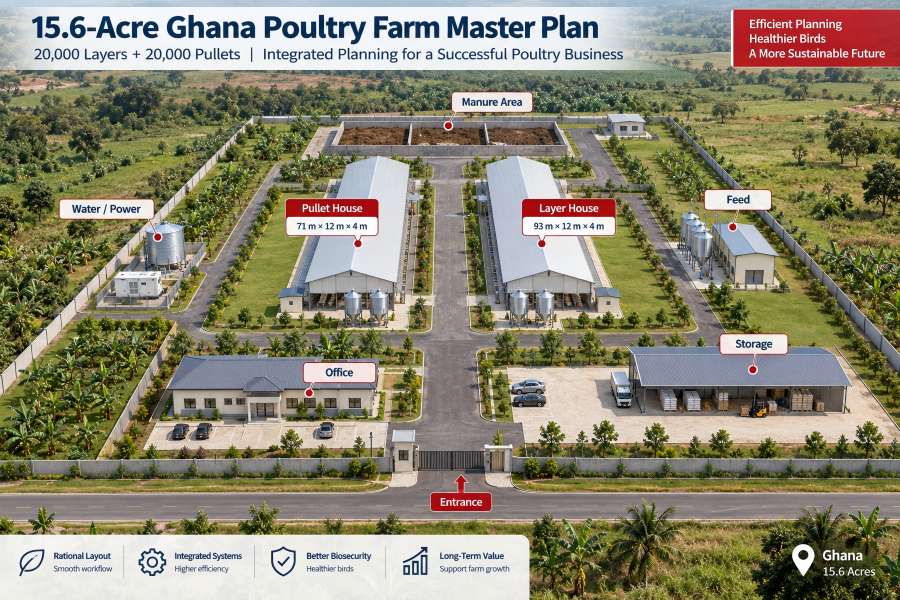
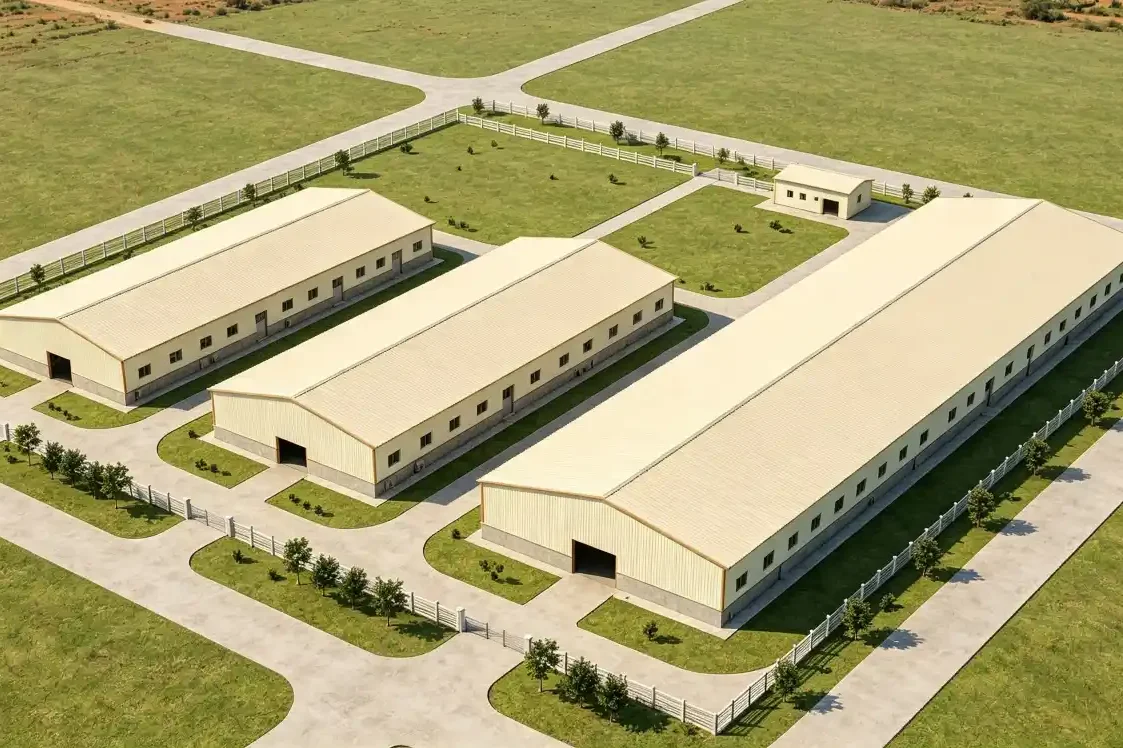
Confirm usable house space and access for the bird type and production stage. Assess local climate and ventilation needs, water source, quality and reliability, power availability and backup arrangements. An interruption the farm cannot manage may undermine the production assumptions in its sales plan.
Check feed supply, storage, delivery access, staffing and management experience. Confirm applicable local planning, stocking, welfare, biosecurity, processing and sales requirements with the relevant authorities. For expansion, consider whether land, utilities and access could support a later phase without disrupting the first.
Before moving ahead, ask:
- Have buyers discussed quantities, timing, price and payment?
- Can the house, water and power support the proposed flock?
- Are feed, labor, veterinary care and biosecurity arrangements planned?
- Does cash cover expenses until receipts arrive, including a reserve?
- Is there a response to lower demand or delayed collection?
When should equipment enter the decision?
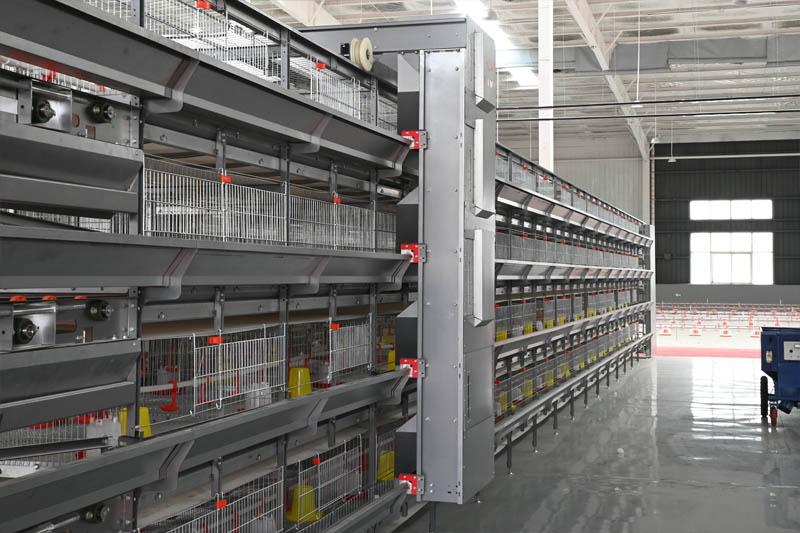
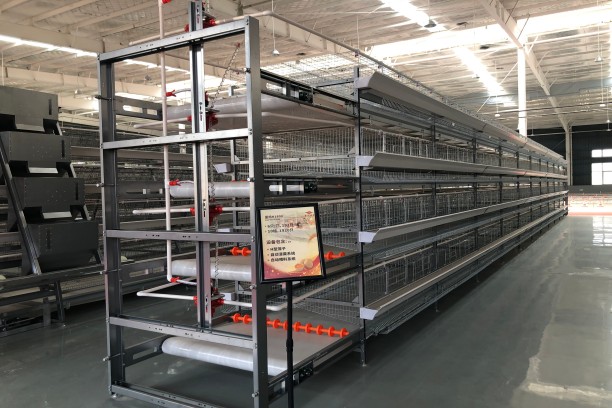
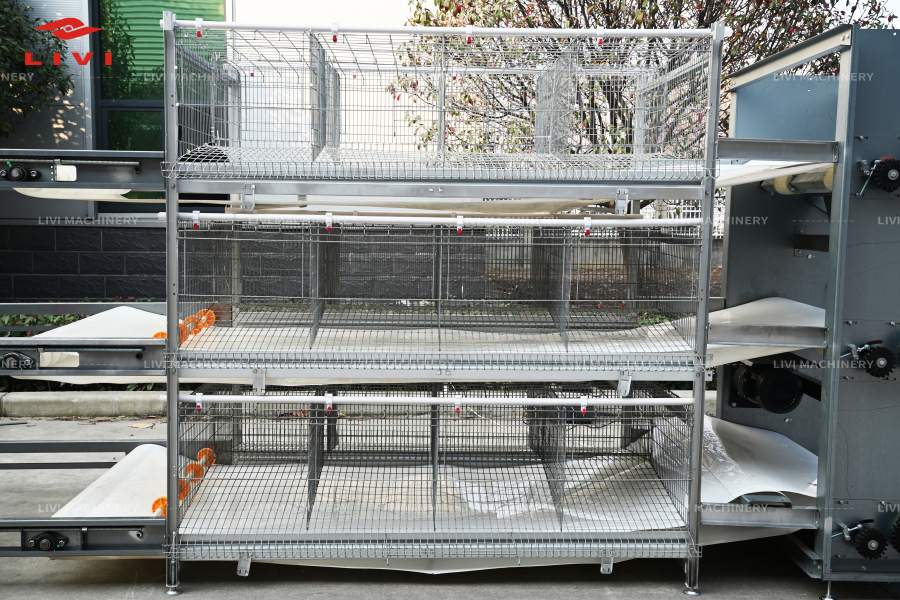
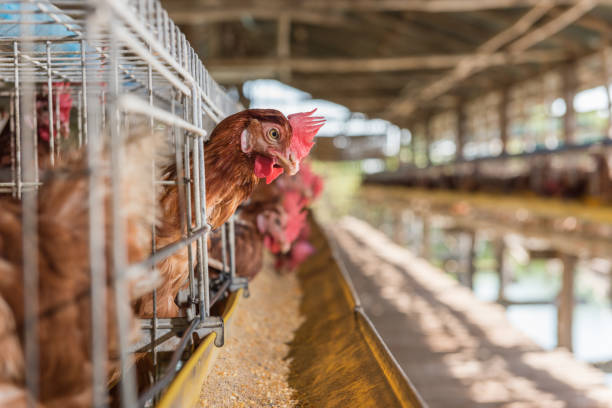
Review equipment after sales, funding and site checks support a proposed flock. For a cage-based layer project, compare the LIVI A45-41 with the house layout and operating requirements. Ask the supplier to confirm the project configuration and capacity rather than choosing birds to fill a cage arrangement.
Develop Your Initial Equipment Configuration Plan
Share your proposed flock, house dimensions, budget, automation preferences and expansion plans to discuss an equipment configuration after your sales and site checks.
Ask the supplier to explain its layout, production and inspection scope. LIVI describes welding, component production and equipment assembly capabilities. Confirm transport, unloading, installation, commissioning, training, spare parts and warranty responsibilities. LIVI states that packing lists, installation materials, equipment instructions and technical support can be provided; agree on what applies to your order.
FAQ
1. How many chickens should I start with if buyers have only expressed interest?
Treat interest as tentative, not guaranteed sales. Discuss quantities, timing, price, delivery and payment terms, then assess credible demand. Consider a financially workable smaller phase or delay placement until you have a dependable sales route.
2. How many laying hens should I start with for an egg sales target?
Divide target saleable eggs by expected saleable eggs per hen over the same period. Use a suitable production profile and account for losses once. Check the result against buyer schedules, housing and working capital.
3. How many broiler chickens should I start with for a planned batch sale?
Divide planned saleable birds per batch by the expected survival fraction. Check the placement estimate against housing, then confirm product form, target weight, collection date and any processing arrangements with buyers.
4. What if projected sales cover operating costs only in the optimistic scenario?
Reassess the flock and funding before committing. Test lower sales volumes, prices and production against expenses and payment timing. Evaluate a smaller phase, but postpone if it also lacks a workable sales route or sufficient funds.
5. When should I consider equipment for my starting flock?
Review equipment once sales, funding and site checks support a proposed flock. For a cage-based layer project, compare the LIVI A45-41 with the house layout and operating requirements, and confirm its configuration with the supplier.
TAGs: starting poultry flock size, poultry sales plan, egg sales target, broiler batch planning, poultry farm working capital