



Quick Answer: What Should a 10,000-Bird Pullet Rearing Cage System in Nigeria Cost Plan Include?
A Pullet Rearing Cage System for 10000 Birds in Nigeria should be budgeted as a complete rearing project, not as a cage purchase alone. Separate initial investment in the site, poultry house, equipment, utilities, delivery, installation, and backup-power planning from recurring costs such as chicks, feed, labor, water, electricity, cleaning, biosecurity, and health management. Reserve a third budget line for spare parts, inspections, maintenance labor, wear-item replacement, and upgrades.
Plan Your 10,000-Bird Rearing InvestmentShare your bird-age plan, site or house dimensions, utility conditions, and automation priorities to receive a focused equipment scope and cost-category checklist.Request a Project Review
No verified Nigeria-specific price, final house size, cage quantity, freight cost, installation charge, operating result, ROI, or payback period is available in the supplied information. These items require technical review based on the bird-age plan, site conditions, selected configuration, and delivery scope. The first decision is whether the flock plan, utilities, biosecurity workflow, operating team, and budget can support rearing before chicks or equipment are ordered.
Why the Farm Plan Must Be Defined Before Comparing Pullet Rearing Cages
Pullet rearing involves more than cage selection. Before comparing a Pullet Cage System, define the production purpose, bird-age range, chick source, flock-flow sequence, transfer plan, and downstream route. The equipment referenced here is documented for the brooding stage; it is not a confirmed final Nigerian pullet configuration. A 10,000-bird target does not establish a final layout, stocking density, house dimension, electrical load, ventilation design, or equipment quantity.
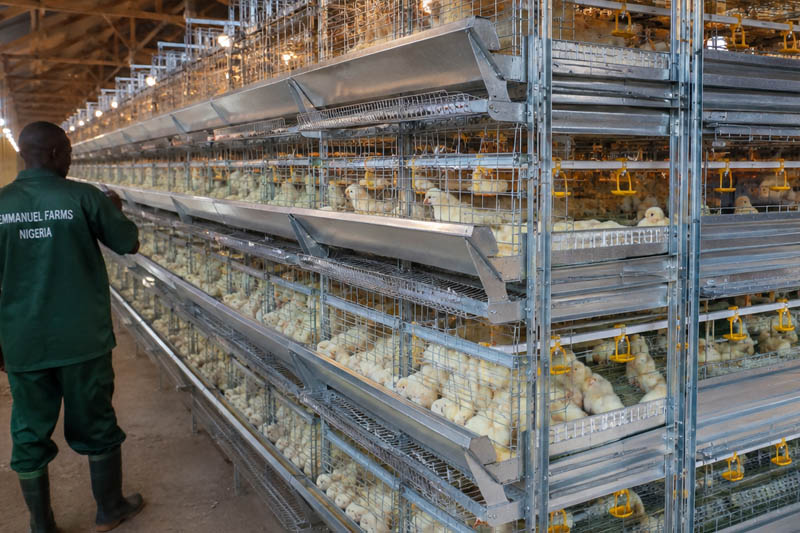
Site access, water, electricity, labor workflow, manure handling, cleaning, and biosecurity controls are also core inputs. Young birds need an environment appropriate to their thermal needs, and poultry housing and management in developing countries identifies supplementary heating as particularly important during the first days after hatch. Plan temperature-related equipment and ventilation interfaces with the house rather than as late-stage purchases.
Compare systems by verified configuration and operating fit: house layout, automation level, utility readiness, cleaning method, maintenance needs, and expansion direction. Purchase price alone cannot show whether the system supports the intended flock flow or operating process.
Documented Pullet Rearing Equipment Options and Budget Verification Items
This table uses documented brooding equipment references only. Per-set capacity is age-dependent and must not be converted into an equipment quantity for 10,000 birds without a confirmed technical layout.
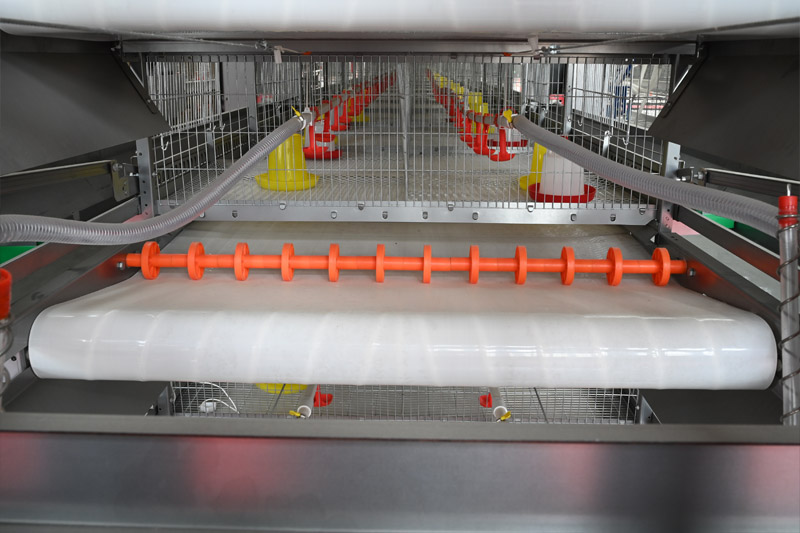
| Planning Item | A-Type Brooding Equipment: Documented Information | H-Type Brooding Equipment: Documented Information | Budget or Technical Status |
|---|---|---|---|
| Product model | LIVI A50-35 | LIVI 育雏H1200 | Confirm selected model and configuration |
| Material and treatment | Q235 steel; hot-dip galvanizing | Q235 steel; hot-dip galvanizing | Verify quoted scope |
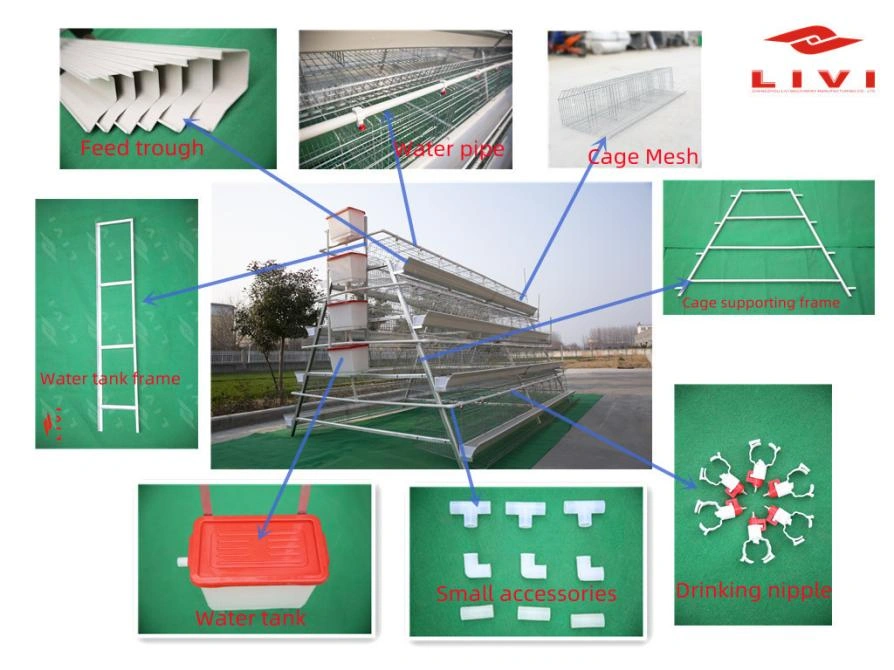
| Structure | 3–4 tiers; independent compartments | Multi-tier independent compartments | House layout and bird-age plan required |
| Reference capacity | 144–288 birds per set, depending on age | 144–216 birds per set, depending on age | Not a final 10,000-bird calculation |
| Drinking | Basic or upgraded Automatic Drinking options | Upgraded Automatic Drinking | Confirm included components |
| Feeding | Semi-automatic trolley, gantry, or travelling feeding options | Travelling feeding | Confirm automation scope |
| Manure removal | Manual, scraper, or Manure Belt options | Manure Belt removal with transverse and inclined removal | Confirm route and cleaning responsibility |
| Other equipment | Lighting, ventilation, temperature-related systems, alarm, and feed silo may be configured | Lighting, alarm, ventilation, temperature-related systems, and feed silo may be configured | Optional items need written confirmation |
| Cost scope | Equipment, building, freight, customs, installation, backup power, operating expenditure, and lifecycle maintenance | Same cost categories apply | Project-specific review required |
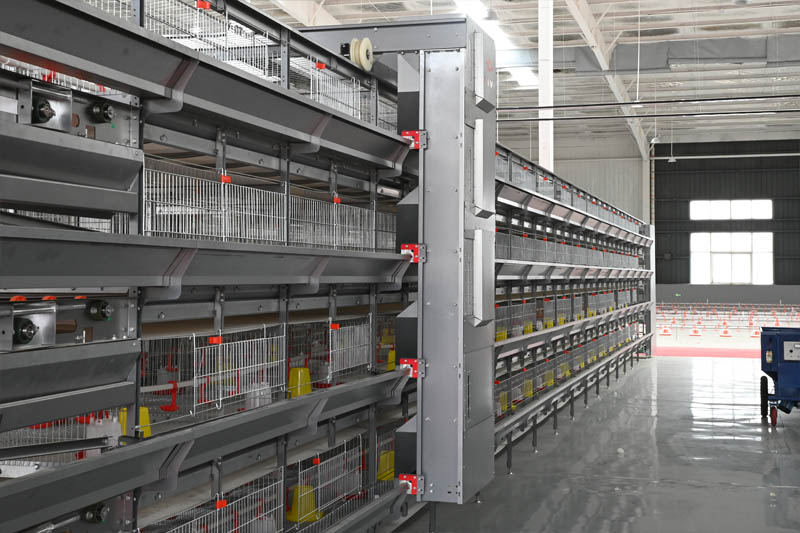
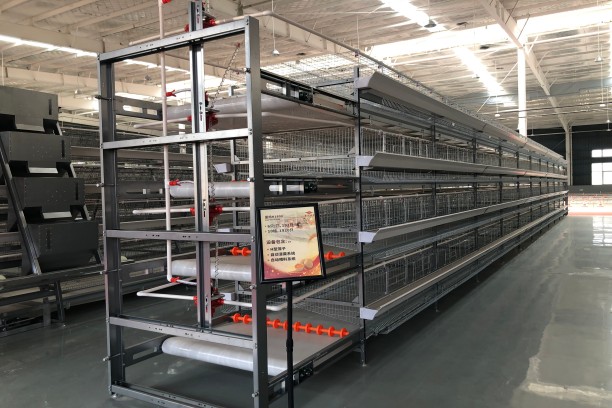
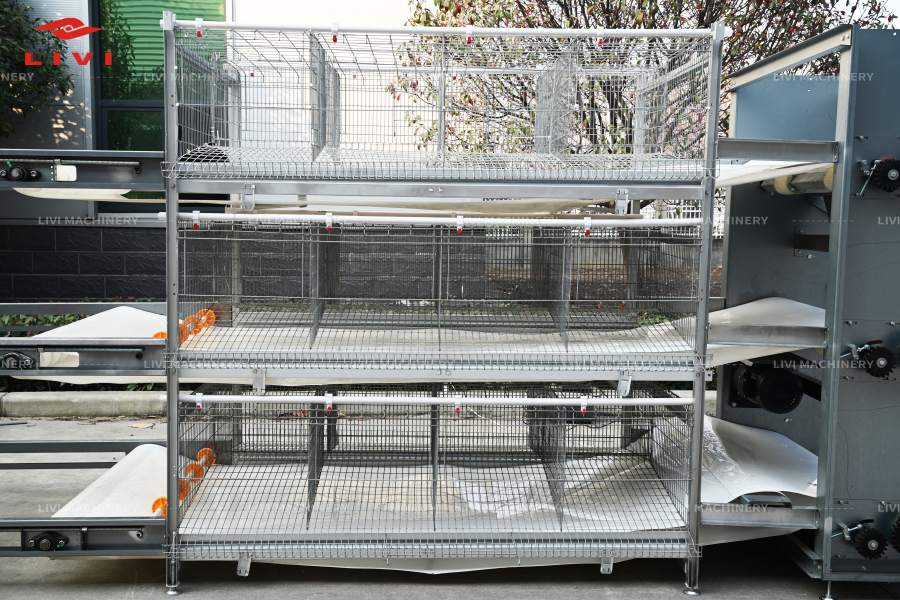
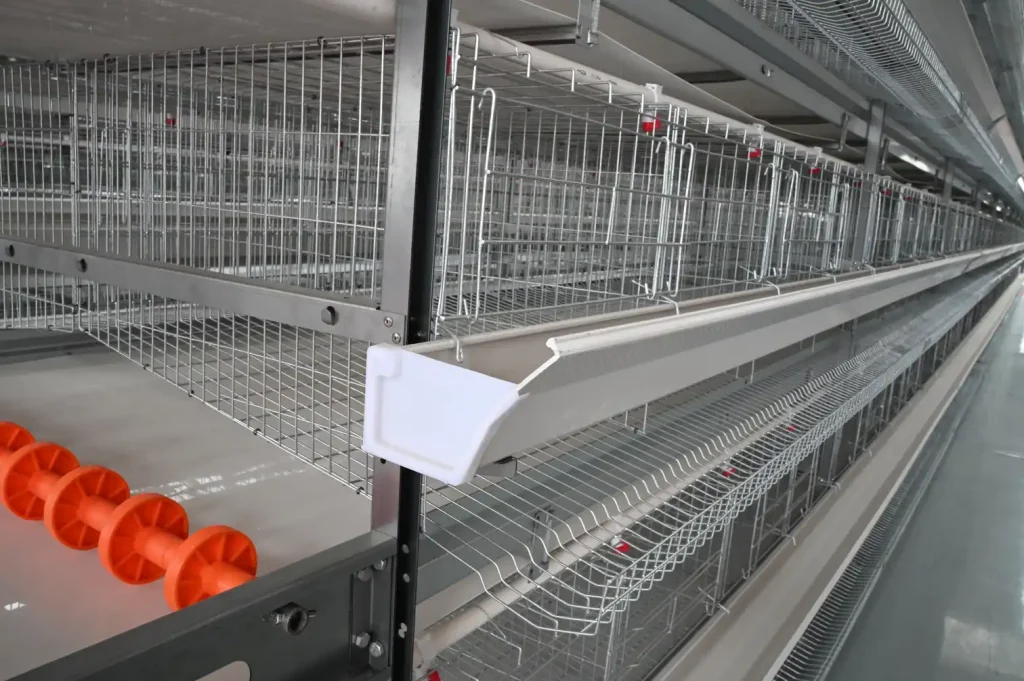
The A-Type reference offers 3–4 tiers and independent compartments with selectable feeding, drinking, and manure-removal approaches. The H-Type reference is documented with automated drinking, travelling feeding, and belt manure removal with transverse and inclined removal. Both are forms of Poultry Brooding Equipment, but neither establishes the final specification for a 10,000-bird Nigerian project.
When comparing an A-Type Pullet Cage System with an H-Type Pullet Cage System, list all inclusions and exclusions. Feeding, drinking, manure handling, alarms, lighting, ventilation, and temperature-related systems can change project requirements. A more automated system also needs defined water, power, inspection, cleaning, and fault-reporting procedures.
Build the Budget in Three Separate Layers
1. Initial project investment
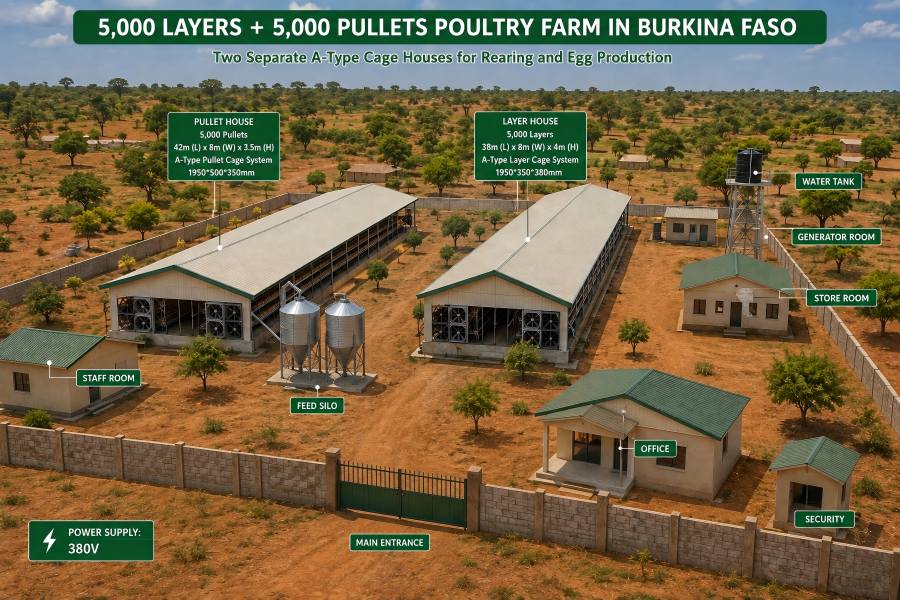
Initial capital expenditure should have separate lines for land or site preparation, civil works, poultry-house construction, the cage and automation package, water distribution, electrical infrastructure, environmental equipment, and backup-power planning. Include delivery, import-related responsibilities, unloading, storage, installation, commissioning, and local work separately. An equipment quotation is not the completed farm investment.
Compare A-Type and H-Type OptionsSend your rearing target, layout constraints, manure plan, and delivery location so LIVI can identify the configuration details requiring confirmation before quotation.Compare Rearing Configurations
2. Recurring operating costs
Operating expenditure begins before flock placement. Use verified local inputs for chicks, feed, labor, water, electricity, backup-power operation, biosecurity, health management, cleaning, manure handling, and routine repairs. Define receiving and transfer procedures because rearing value depends on what happens after the documented brooding-stage equipment is used.
3. Lifecycle maintenance and replacement
Long-term planning should cover inspections, cleaning materials, maintenance labor, recommended spare parts, wear-item replacement, troubleshooting, and upgrades. The documented design service life for both supplied equipment references is 15–20 years, but this does not replace a maintenance plan or establish service life for every selected component. Request separate maintenance requirements for structural, moving, electrical, water, and control components.
A 10,000-Bird Nigeria Planning Scenario: What Is Known and What Must Still Be Confirmed
The known inputs are Nigeria as the target country, a 10,000-bird target, and interest in a Pullet Rearing Cage System. Technical comparison can begin with the documented LIVI A-Type and H-Type brooding equipment references. No customer name, farm site, house dimensions, final layout, shipment, installation result, price, or profitability result has been supplied for this project.
Create separate budget sections for site and civil works; cage and Poultry Automation Equipment; water and electrical infrastructure; environmental and backup-power systems; freight and import-related costs; installation; chicks and feed; labor and utilities; biosecurity; maintenance; and contingency. This prevents an equipment price from being mistaken for the complete investment.
Confirm the age at placement and transfer, bird grouping, catch-and-transfer workflow, and receiving facility or market route. The supplied product information is for brooding-stage equipment. Any later-stage Pullet Growing Cage System requirement should be evaluated separately rather than assumed from these references.
Which Delivery and Site-Readiness Costs Must Be Confirmed for Nigeria?
LIVI lists FOB and CIF as quotation methods for both documented products. Neither trade term defines every project expense or responsibility. Confirm export packing, shipment scope, insurance where applicable, destination handling, customs and clearance responsibilities, inland transport, unloading equipment, site storage, installation labor, and commissioning support in writing.
Before shipment release, confirm delivery access, civil-work readiness, secure storage, inventory control, water and electrical interfaces, drainage, ventilation and temperature-control interfaces, manure route, and biosecurity controls. Where powered systems are selected, assess backup-power needs from the final equipment load and operating strategy; no power rating or backup capacity is supplied.
Ventilation needs an operating plan, not only an equipment label. Poultry facilities and technology guidance on ventilation and ammonia monitoring notes that ammonia can build up in enclosed spaces and that monitoring forms part of air-quality management. Confirm the house design, ventilation scope, inspection routine, and response responsibility before birds arrive.
A Practical Pre-Order and Installation Sequence
- Confirm the bird-age program, 10,000-bird target, production purpose, and whether an A-Type or H-Type comparison is needed.
- Provide site or house dimensions, water source, electricity conditions, ventilation approach, manure route, delivery location, and automation priorities.
- Review the layout, itemized scope, optional systems, exclusions, trade term, installation boundary, and spare-parts requirement before ordering.
- Complete civil works, utility interfaces, delivery access, storage, biosecurity controls, and backup-power planning before arrival.
- Check delivered quantities against the packing list, then install according to approved drawings and instructions.
- Commission feeding, drinking, manure removal, lighting, alarm, ventilation, and temperature-related equipment only where included in the final scope.
- Train the team on inspection, cleaning, water checks, manure-removal routines, safe operation, fault reporting, and spare-parts planning before chick placement.
LIVI states that it can provide installation drawings, operating instructions, video guidance, remote technical support, and engineer assistance for larger projects where required. Confirm the applicable service scope in the contract. Its documented production process includes welding, equipment components, and complete-machine assembly, with checks from raw-material inspection through pre-shipment and loading inspection.
FAQ
What should be included in the total cost of a 10,000-bird Pullet Rearing Cage System in Nigeria?
The total budget should include more than Pullet Rearing Cages. Assess site and civil works, water and electrical infrastructure, environmental equipment, backup-power planning, delivery and import-related charges, unloading, installation, chicks, feed, labor, utilities, biosecurity, spare parts, maintenance, and contingency separately. No verified Nigeria-specific total is supplied, so a final estimate requires the actual site, building, configuration, delivery point, and operating plan.
Should a 10,000-bird project choose an A-Type or H-Type Pullet Cage System?
The choice depends on final house layout, bird-age plan, automation target, utility readiness, labor workflow, manure route, maintenance plan, and expansion direction rather than cage price alone. The supplied A-Type equipment offers 3–4 tiers and selectable feeding, drinking, and manure-removal configurations. The supplied H-Type equipment is documented with automated drinking, travelling feeding, and belt manure removal. Final selection requires technical confirmation.
Does the cage quotation include delivery, installation, and spare parts?
Do not assume that a cage quotation covers all delivery, installation, or spare-parts costs. LIVI lists FOB and CIF quotation methods, but the final scope must state inclusions and exclusions. Request a written scope covering equipment, packing, freight term, destination responsibilities, unloading, installation guidance or labor, commissioning, training, recommended spare parts, and local work.
What information is needed to quote a Pullet Rearing Cage System for 10000 Birds in Nigeria?
A meaningful review requires the bird-age program, final flock target, production purpose, available site or house dimensions, water and electricity conditions, ventilation approach, manure route, automation requirements, delivery location, installation scope, and budget boundary. Clarify whether this is a first stage with future expansion because that affects infrastructure and layout decisions.
How should operating and maintenance costs be assessed before buying chicks?
Assess operating costs separately from equipment investment using verified local inputs for chicks, feed, labor, water, electricity, backup-power operation, biosecurity, health management, cleaning, manure handling, and routine repairs. Long-term planning should include spare parts, inspections, wear-item replacement, maintenance labor, and upgrades. The supplied data does not support a profit, ROI, or payback calculation.
What must be ready before rearing equipment is delivered to the farm?
Before delivery, confirm the approved layout, civil-work readiness, delivery access, unloading and storage plan, water and electrical interfaces, ventilation and temperature-control interfaces, drainage, manure route, biosecurity workflow, and installation responsibilities. Where powered systems are included, review backup-power needs from the final equipment load and operating plan. No product power rating or backup capacity is supplied.
Compare A-Type and H-Type Options
Send your rearing target, layout constraints, manure plan, and delivery location so LIVI can identify configuration details requiring confirmation before quotation.
TAGs: Pullet Rearing Cage System, 10,000-bird rearing project Nigeria, Pullet Cage System, Chick Brooding Cage System, A-Type brooding equipment, H-Type brooding equipment, Poultry equipment quotation