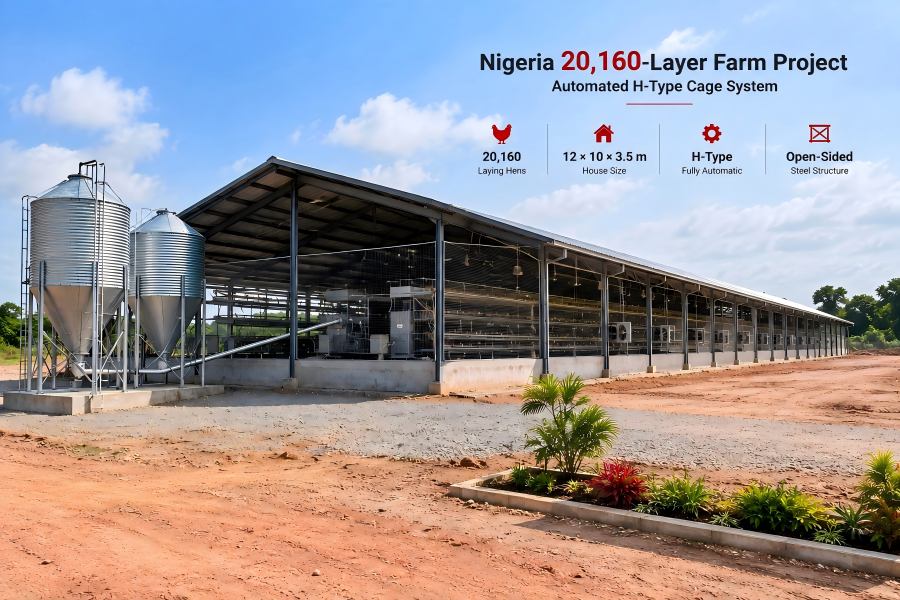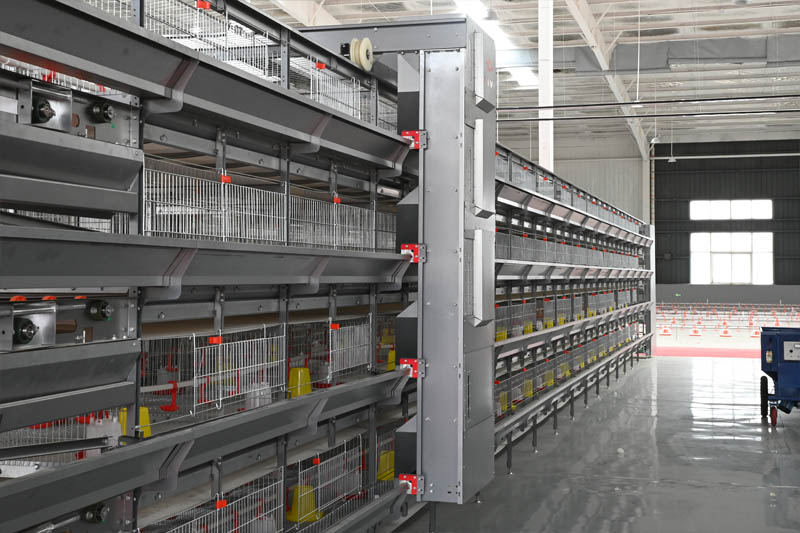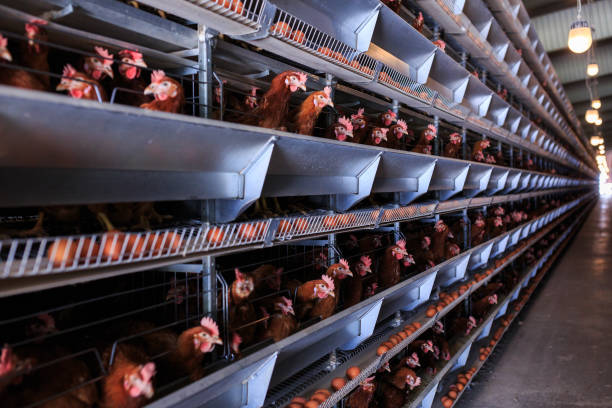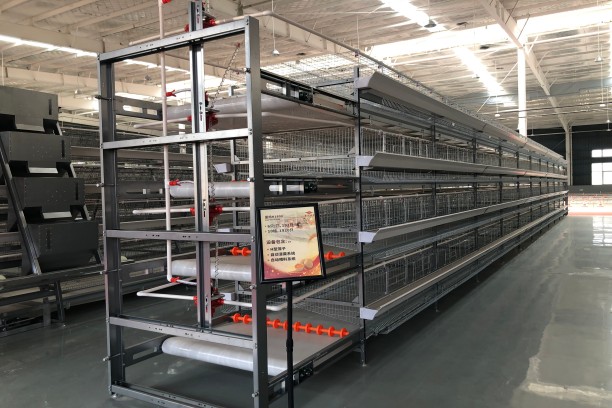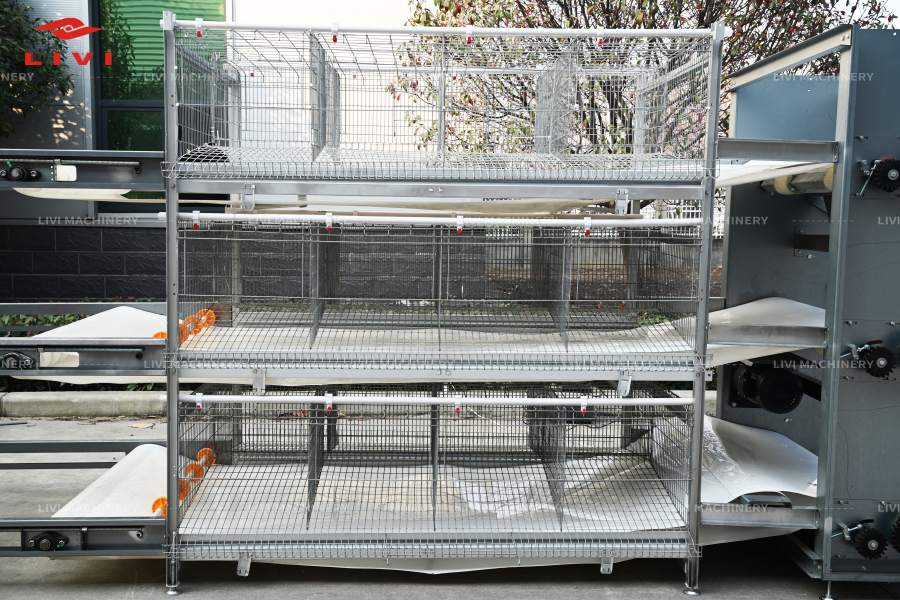




Quick Answer: Livi designed a complete 30,000-layer poultry farm solution in Nigeria using a 4-tier H type automatic battery cage system.
The project uses 1800x600x430mm hot-dip galvanized layer cages with a capacity of approximately 30,528 birds. The recommended poultry house size is around 9-10 meters wide and 102 meters long, including automatic feeding, drinking, and manure removal systems.
Project Overview
Customer: Commercial Egg Producer
Location: Nigeria
Farm Capacity: 30,000 Layers
Farm Type: Commercial Layer Poultry Farm
Housing System: 4-Tier H Type Battery Cage System
Cage Model: 1800x600x430mm Hot-Dip Galvanized Layer Cage
Configuration: 4 Tiers, 4 Doors per Tier, 3 Rows
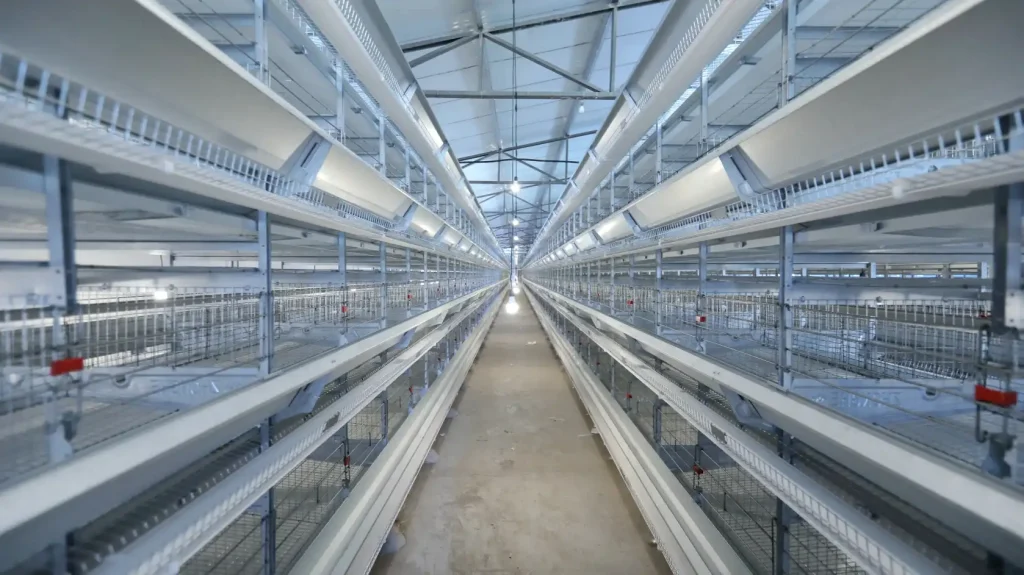
Chicken House Size: Approximately 9-10 meters width x 102 meters length
Livi provided a complete poultry farm equipment solution for a commercial egg producer in Nigeria who planned to establish a modern 30,000-layer egg production farm.
Based on the customer’s production requirements, available farm space, and long-term operation goals, Livi designed a practical automatic layer farming solution using a 4-tier H type battery cage system with efficient feeding, drinking, and manure management systems.
This project demonstrates Livi’s capability in designing customized layer farm solutions for African commercial poultry producers.
Customer Background and Project Requirements
The customer is a commercial egg producer in Nigeria looking for a reliable poultry equipment supplier to build a medium-scale modern layer farm.
The main requirements included:
- Efficient housing system for 30,000 laying hens
- Better utilization of limited poultry house space
- Reduced manual labor requirements
- Improved feeding and manure management efficiency
- Durable equipment suitable for long-term operation in African climates
Instead of purchasing individual poultry cages, the customer required a complete farm solution including cage configuration, house planning, and equipment layout.
Project Design and Farm Planning
30,000 Layers Farm Layout Design
For this project, Livi designed a 4-tier H type layer cage system based on the 1800×600×430mm cage specification.
According to the equipment planning calculation:
- Each cage section contains 32 doors
- Each door houses 6 layers
- Each cage group accommodates 192 birds
- Each row contains approximately 53 cage groups
- Three cage rows are installed inside the poultry house
The total capacity calculation:
192 birds/group × 159 cage groups ≈ 30,528 layers
The designed capacity meets the customer’s requirement of approximately 30,000 laying hens.
The cage configuration data is based on the 1800×600×430mm four-tier four-door three-row layer cage solution.
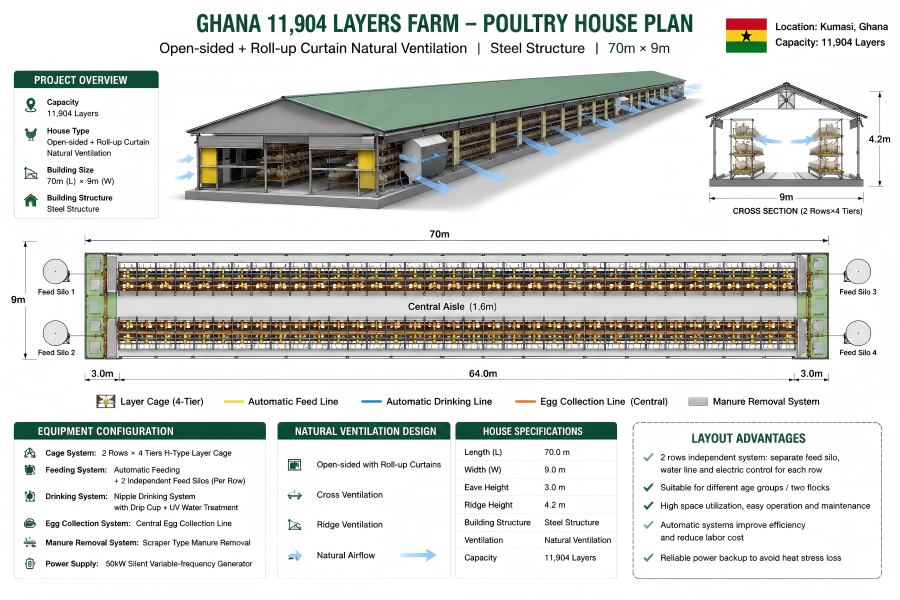
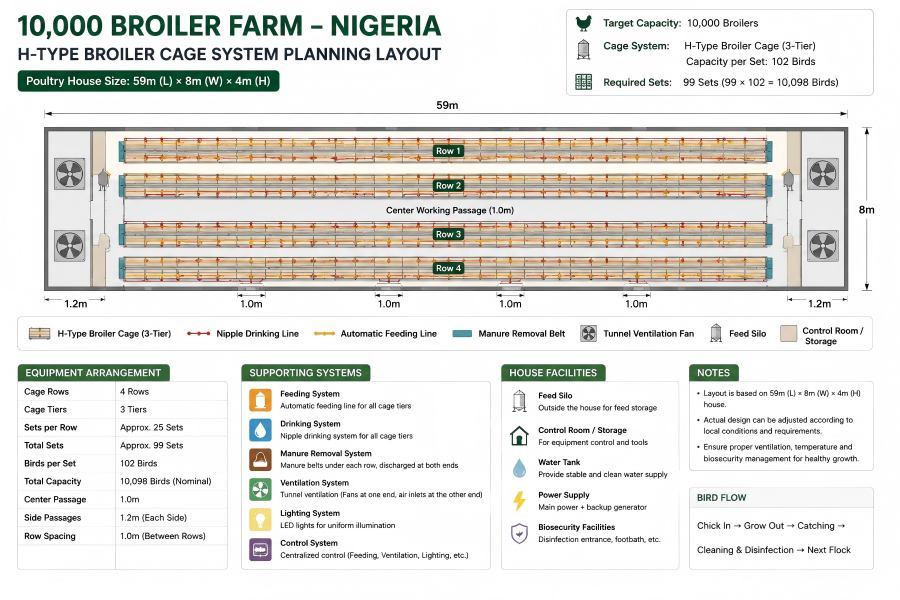
Poultry House Size Recommendation
To maximize space utilization and maintain proper ventilation, Livi recommended:
Poultry House Dimension:
- Width: 9-10 meters
- Length: Approximately 102 meters
- Capacity: Around 30,000 layers
The recommended house dimension follows the H type cage planning principle:
- 3 rows of cages require approximately 9-10 meters house width
- Total house length includes cage installation area plus additional space for feeding, manure handling, and equipment operation
According to the equipment calculation guide, for 1800mm cage units, the recommended three-row H type cage layout requires approximately 9-10 meters width, and the total house length is calculated based on cage length plus equipment operation space.
Complete Equipment Configuration
For this 30,000-layer poultry farm project, Livi supplied a complete battery cage farming solution.
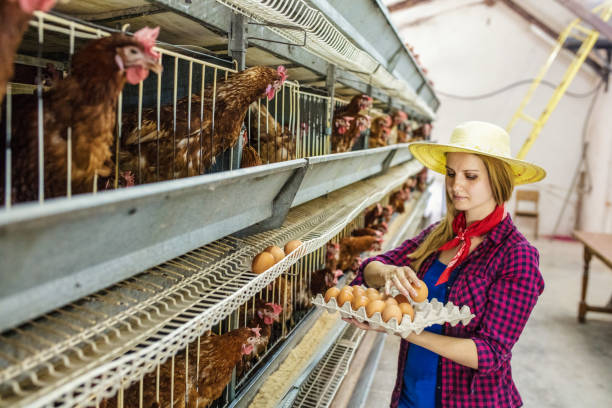
1. 4-Tier H Type Layer Battery Cage System
Cage Specification:
- Size: 1800×600×430mm
- Material: Hot-dip galvanized wire
- Tier: 4 tiers
- Door Configuration: 4 doors per tier
- Capacity: 6 birds per door
Advantages:
- High space utilization
- Suitable for commercial egg production
- Strong corrosion resistance
- Long service life
- Easy flock management
2. Automatic Feeding System
The feeding system was designed to provide uniform feed distribution throughout the cage rows.
Benefits:
- Reduced manual feeding labor
- Improved feeding consistency
- Lower feed waste
- Better flock management efficiency
3. Automatic Drinking System
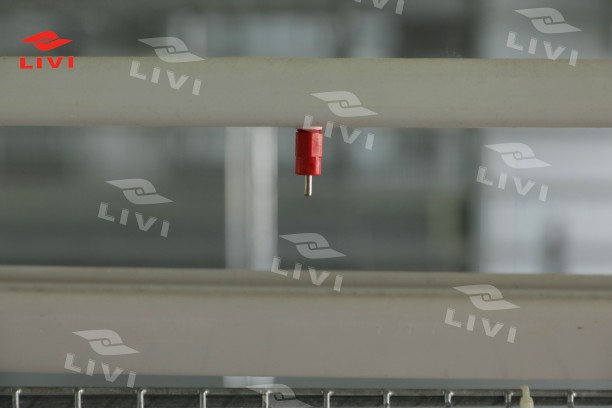
The project includes nipple drinking equipment to provide continuous clean water supply.
Features:
- Stable water pressure control
- Reduced water contamination
- Improved drinking efficiency
4. Manure Removal System
A manure removal system was included to improve farm hygiene.
Benefits:
- Faster manure cleaning
- Reduced ammonia accumulation
- Improved poultry house environment
- Lower daily labor requirements
Equipment Quantity Calculation
The main equipment calculation was based on the customer’s target capacity and cage structure.
Cage Capacity Calculation
| Item | Specification |
| Cage Model | 1800×600×430mm |
| Tier | 4 Tier |
| Door per Tier | 4 Doors |
| Birds per Door | 6 Birds |
| Birds per Cage Group | 192 Birds |
| Total Cage Groups | 159 Groups |
| Total Capacity | 30,528 Layers |
The calculation is consistent with the 30,000-layer four-tier three-row cage configuration in the equipment comparison plan.
H Type vs A Type Layer Cage System for a 30,000-Layer Poultry Farm
| Comparison | H Type Battery Cage | A Type Battery Cage |
| Recommended Farm Scale | Medium and large commercial farms (20,000+ layers) | Small and medium farms (usually below 20,000 layers) |
| Suitable Capacity | ★★★★★ Excellent for 30,000+ layers | ★★★ Suitable for smaller farms |
| Space Utilization | Higher vertical utilization | Lower building utilization |
| Automation Level | Supports automatic feeding, drinking and manure removal | Usually semi-automatic or manual manure handling |
| Labor Requirement | Lower labor cost | Higher daily labor requirement |
| Poultry House Design | Narrower and longer houses, better land efficiency | Requires wider house space |
| Initial Investment | Higher equipment investment | Lower initial investment |
| Long-term Operating Cost | Lower due to labor saving | Higher labor cost |
| Farm Expansion | Easier expansion for commercial farms | Limited scalability |
Why H Type Cage Is More Suitable for This 30,000-Layer Nigeria Project?
For a 30,000-layer commercial poultry farm in Nigeria, the H Type battery cage system is more suitable than the A Type cage because it provides higher stocking density, better automation compatibility, and lower long-term labor costs.
Although the initial investment of an H Type system is higher, the improved space utilization and reduced operating expenses make it more profitable for large-scale egg production.
Why Choose 4-Tier H Type Battery Cage System?
For commercial egg producers, the H type battery cage system provides several advantages compared with traditional floor farming.
Higher Land Utilization
Vertical cage design allows farmers to raise more birds within the same building area.
For this project:
- 30,000 layers can be accommodated in a 9-10 meter wide poultry house
- Better utilization of construction investment
Lower Labor Requirement
Automatic feeding and manure removal systems significantly reduce daily manual operation.
This allows commercial farms to focus more on:
- Production management
- Egg quality control
- Farm biosecurity
Better Farm Management
The H type cage system provides:
- Clear flock management
- Easier inspection
- Improved egg collection efficiency
- Cleaner production environment
Project Implementation Process
Livi’s poultry farm solution process includes:
Step 1: Farm Requirement Analysis
Understanding:
- Farm capacity
- Local climate conditions
- Customer investment plan
Step 2: Equipment Design
Livi engineers designed:
- Cage layout
- House dimensions
- Equipment configuration
Step 3: Manufacturing and Delivery
The poultry equipment was manufactured according to project requirements and prepared for international shipment.
Step 4: Installation Support
Livi provides technical guidance to ensure correct installation and stable operation.
Estimated Investment Factors for a 30,000 Layer Farm
The total investment depends on:
– cage system type
– automation level
– poultry house design
– local installation requirements
– shipping distance
Expected Results for the Nigerian Layer Farm
After implementing the Livi automatic layer cage solution, the farm is expected to achieve:
✓ Efficient housing of approximately 30,000 laying hens
✓ Reduced daily labor requirements
✓ Improved feeding management
✓ Cleaner poultry house environment
✓ Better production efficiency
✓ Long-term reliable operation
Why Choose Livi for Commercial Layer Farm Projects?
Professional Poultry Farm Solution Provider
Livi is a professional poultry equipment supplier for commercial layer farms in Nigeria and Africa. Livi does not only supply cages but provides complete poultry farming solutions including:
- Farm planning
- Equipment selection
- Cage layout design
- Manufacturing
- Installation support
Customized Solutions Based on Farm Conditions
Every poultry farm has different requirements.
Livi designs solutions according to:
- Farm scale
- Building dimensions
- Production goals
- Local operating conditions
Experience in African Poultry Markets
With multiple poultry projects in Africa, Livi understands the challenges faced by commercial egg producers, including:
- Climate adaptation
- Equipment durability
- Labor efficiency
- Farm expansion requirements
Frequently Asked Questions
What cage system is suitable for a 30000-layer poultry farm?
A 4-tier H type battery cage system is suitable for commercial layer farms requiring high efficiency and better space utilization.
How much space is needed for 30,000 layers?
For this project, the recommended poultry house size is approximately 9-10 meters wide and 102 meters long.
How many chickens can one 1800×600×430mm cage group hold?
One cage group can hold approximately 192 layers based on 32 doors with 6 birds per door.
Why choose H Type battery cage instead of A Type cage for 30,000 layers?
For a 30,000-layer farm, H Type battery cages are more suitable because they provide higher cage density, better automation compatibility, and lower labor requirements. A Type cages are generally better suited for smaller farms where investment cost is the main consideration.
Is H Type cage more expensive than A Type cage?
The initial investment of H Type cages is usually higher because of higher automation and structure requirements. However, for a 30,000-layer farm, the lower labor cost and better space utilization can provide better long-term returns.
How much does a 30,000 layer poultry farm cost in Nigeria?
The cost of a 30,000 layer poultry farm in Nigeria depends on the cage system, automation level, poultry house design, shipping, and installation requirements. A complete project usually includes H Type Battery Cage System, feeding system, drinking system, and manure removal system. Livi provides customized farm solutions based on capacity, house size, and production goals.
What is the best cage system for commercial egg production?
The H Type Battery Cage System is one of the best solutions for commercial egg production because it improves space utilization, reduces labor requirements, and supports automated farm management. For this 30,000-layer project in Nigeria, Livi used a 4-tier H Type Layer Cage System with 1800×600×430mm cages, providing efficient housing for over 30,000 layers.
How long does it take to install a layer cage system?
The installation time of a layer cage system depends on farm size, equipment configuration, and site conditions. For a 30,000-layer poultry farm, installation includes cage assembly, feeding system, drinking system, manure removal system, and equipment testing. Livi provides technical support to ensure proper installation and stable operation.
Can Livi provide complete poultry farm solutions?
Yes. Livi provides complete solutions including cage systems, feeding systems, drinking systems, manure removal systems, and technical support.
Conclusion
This 30,000-layer poultry farm project in Nigeria represents a practical commercial egg production solution designed around efficiency, automation, and long-term farm profitability.
Through customized farm planning and a complete 4-tier H type battery cage system, Livi helps poultry producers build modern layer farms with improved productivity and reduced operating costs.