



Quick Answer: What Should a Comparable H-Type Layer Cage Quotation Include?
An H type layer cage price in Nigeria is comparable only when every supplier prices the same defined scope. Confirm the target flock, H-Type cage configuration, automation, delivery term, installation boundary, spare-parts scope, and excluded farm costs before comparing totals.
Compare Your H-Type Cage Quote Scope
Share your layer target, house or land dimensions, automation requirements, water and power conditions, and preferred delivery basis for a clearer equipment scope review.
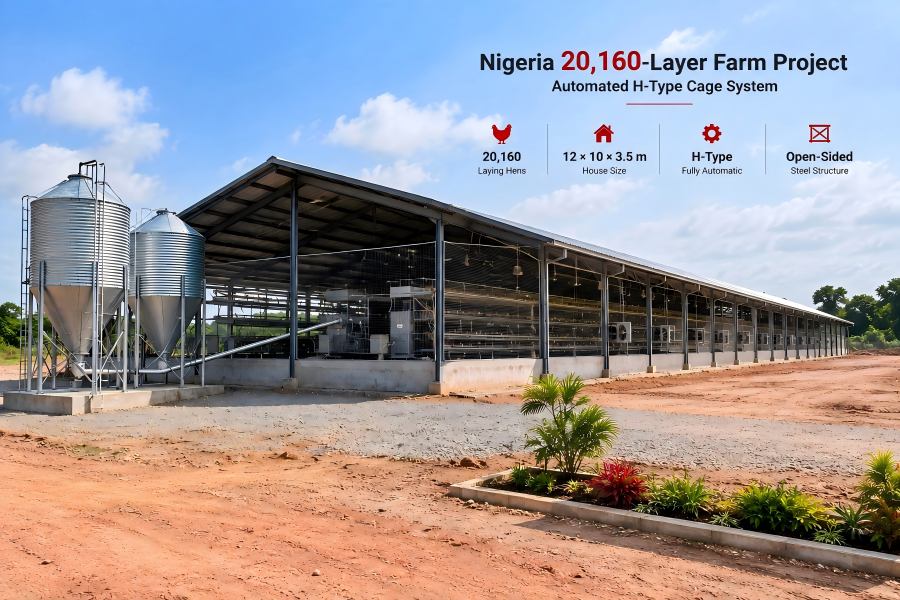
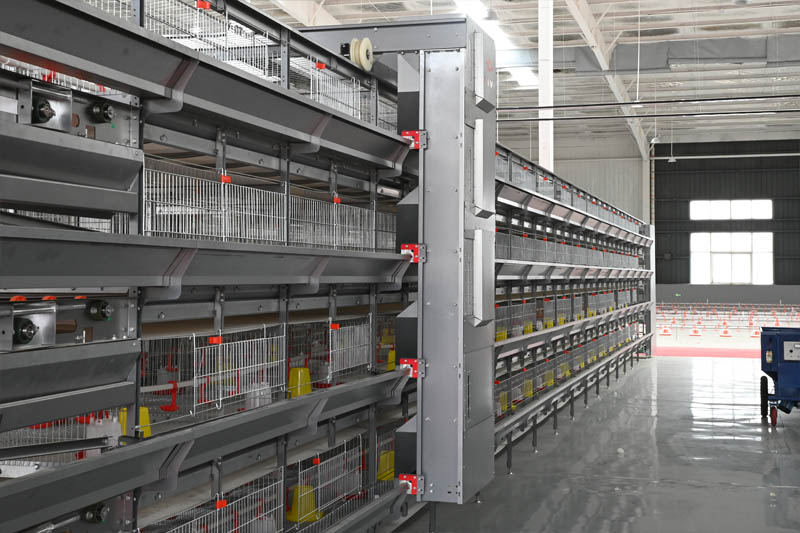
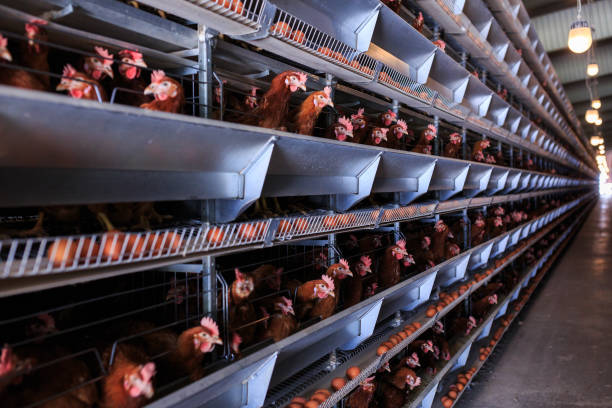
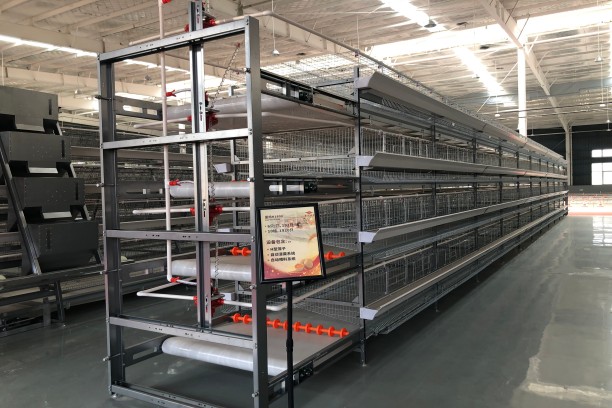
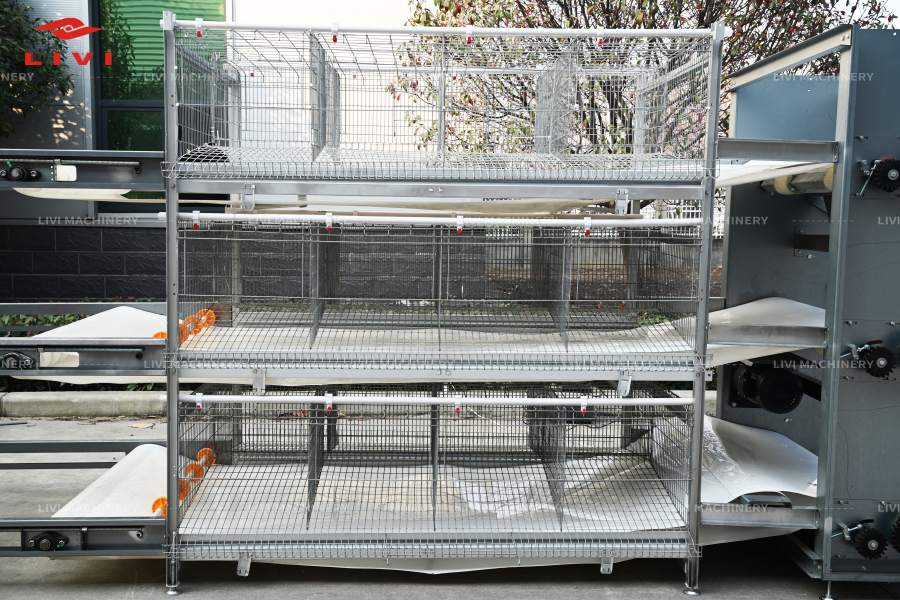
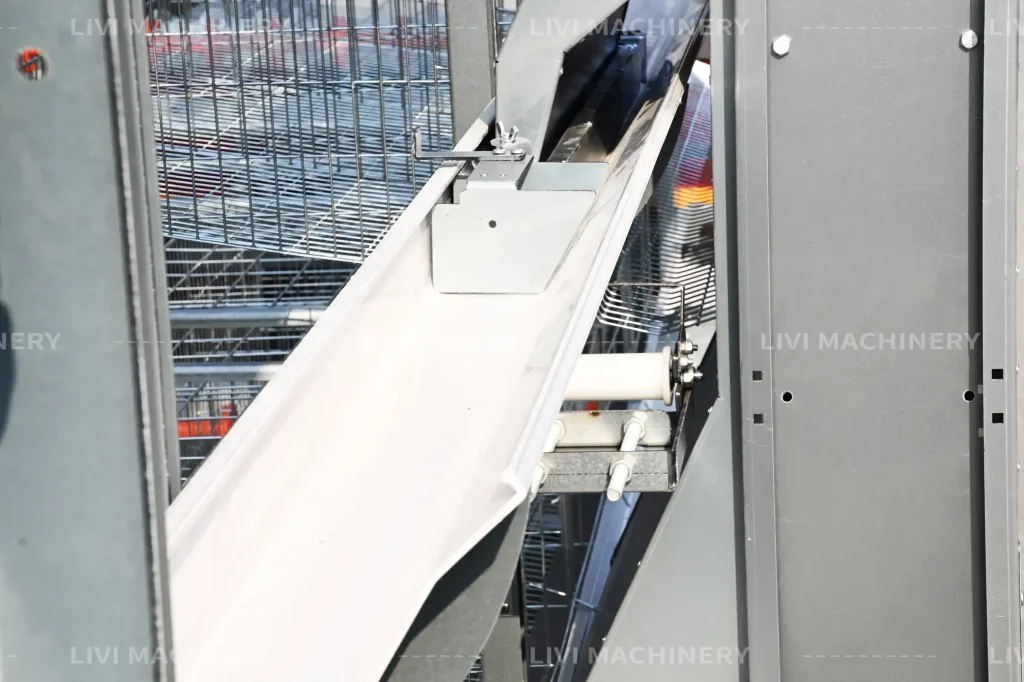
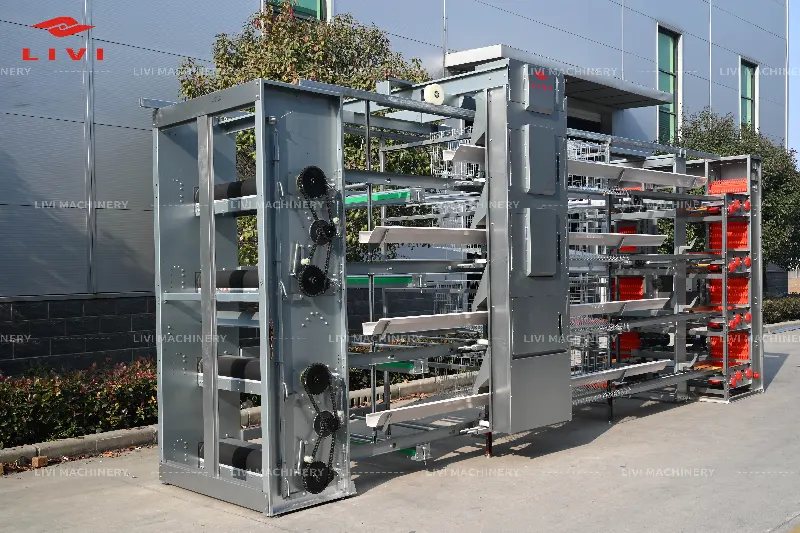
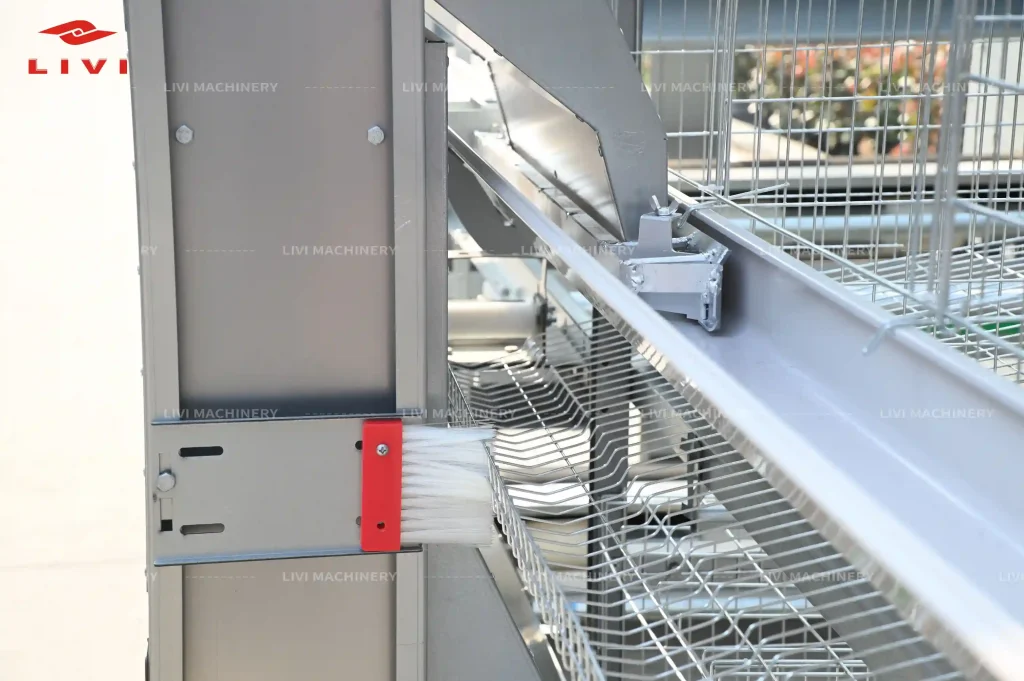
The supplied H-Type Layer Cage reference is intended for commercial layer farms of 5,000–30,000 chickens. It uses an H-Type structure, Q235 steel, hot-dip galvanizing and aluminum-zinc alloy coating, with a stated design service life of 15–20 years. Automatic Egg Collection and Automatic Manure Removal are referenced features, but their final scope must be confirmed in the technical quotation.
No verified equipment price, landed cost, poultry-house cost, operating cost, ROI, or payback period is available from the supplied information. A final price and complete investment plan require a site-specific technical list and commercial scope.
Why Cage Price Alone Cannot Define a Layer Farm Budget
A cage quotation is one procurement line, not the whole layer-farm investment. Separating the budget prevents a buyer from confusing an equipment purchase with a farm that is ready to install and operate.
| Cost Layer | Items to Identify | Buyer Decision |
|---|---|---|
| Initial investment | Cage system, automation, house, site works, utilities, delivery, installation, biosecurity, backup power | What must be funded before birds arrive? |
| Operating cost | Feed, labor, water, electricity, flock inputs, sanitation, transport | What resources are needed to operate? |
| Long-term cost | Maintenance, wear parts, repairs, replacements, upgrades | What should be planned after commissioning? |
The initial scope may involve the Layer Cage, Feeding System, Drinking System, Egg Collection System, Manure Removal System, ventilation, and a Climate Control System. A quotation describing an “automatic” system does not prove that every component is included. Each item, quantity, interface, and responsibility should be stated line by line.
This is why the lowest H type chicken cage price in Nigeria is not necessarily the lowest project cost. One supplier may quote equipment only, while another may include a wider delivery or commissioning scope. Both offers can be valid, but they cannot be compared until their boundaries match.
FAO notes that commercial poultry production generally uses more commercial materials, equipment, mechanization, and automation as operations increase in scale. The appropriate level for a project still depends on its site, utility conditions, labor plan, and technical design.
H-Type Layer Cage Reference and Quotation Confirmation Table
This table separates documented product information from items requiring confirmation. It is a quotation-control tool, not a price list or complete farm design.
| Quotation Item | Documented Reference or Required Confirmation | Why It Matters |
|---|---|---|
| Application range | 5,000–30,000 chickens | States the supplied product reference range. |
| Cage structure | H-Type structure | Defines the system type, not a final layout. |
| Material | Q235 steel | Should be consistent across compared offers. |
| Surface treatment | Hot-dip galvanizing and aluminum-zinc alloy coating | Must be written into the technical scope. |
| Design service life | Stated as 15–20 years | A design reference, not a maintenance-free promise. |
| Egg and manure handling | Automatic Egg Collection and Automatic Manure Removal are referenced | Exact scope and inclusion status require confirmation. |
| Feeding, drinking, ventilation | To be confirmed in the final technical quotation | Confirm included, optional, or buyer-supplied systems. |
| Freight basis | FOB and CIF are documented methods | Confirm responsibilities and destination scope. |
| Civil works and utilities | To be confirmed separately | House, site works, water, power, and backup power are not defined by cage price. |
| Installation and spares | To be confirmed separately | Define labor, commissioning, initial spares, and replacement responsibilities. |
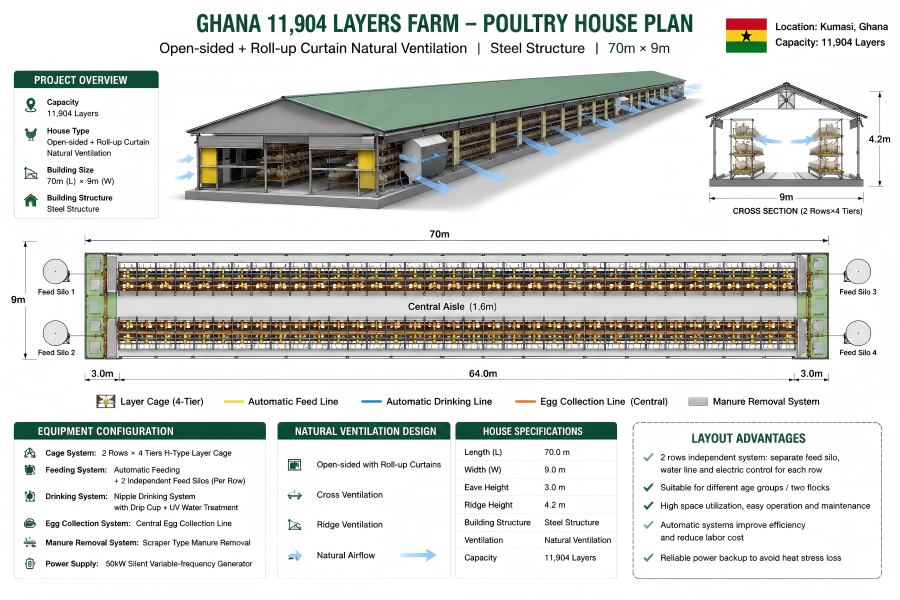
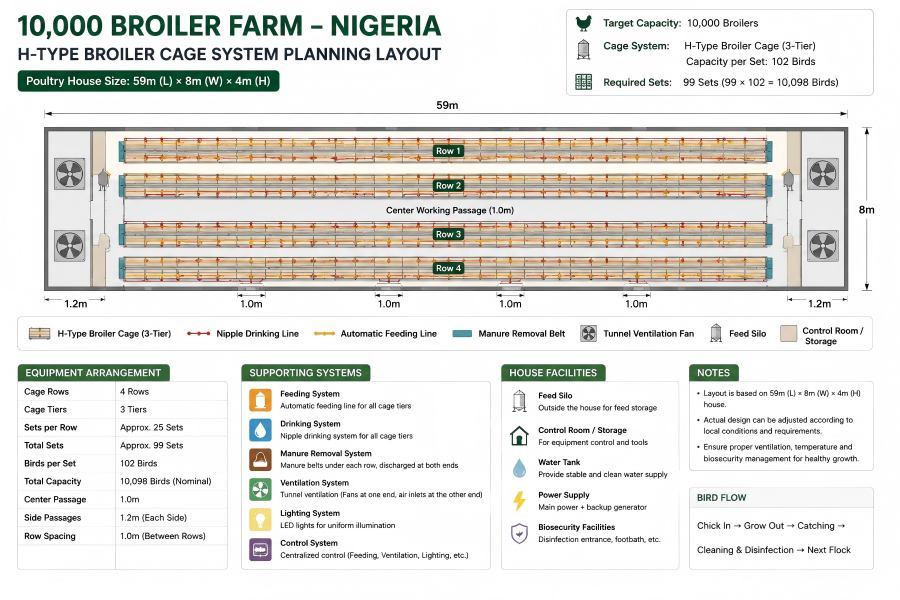
Do not infer cage quantity, tier count, bird positions per cage set, electrical load, container quantity, or poultry-house dimensions from this reference. These require a final layout and technical confirmation.
How Should Freight and Delivery Scope Be Compared?
The supplied product information lists FOB and CIF quotation methods. These terms are comparable only when suppliers specify the same delivery basis and responsibilities on both sides of the shipment.
FOB or CIF should not be treated as a complete installed-farm price. The supplied information does not define a destination port, freight amount, insurance detail, import clearance, inland transport, unloading cost, installation cost, or site handover scope.
Request a scope matrix covering equipment packing, export documentation, ocean freight where applicable, insurance where applicable, import-clearance responsibility, destination transport, unloading, and site handover. List separately the poultry house, site work, electrical and water connections, backup power, local labor, tools, installation supervision, and commissioning.
For a fair review of an H type layer cage system price in Nigeria, every bidder should use the same technical list, delivery term, destination basis, and exclusions list. A lower shipment quotation may leave the buyer responsible for more local work.
H-Type or A-Type: Which Decision Comes Before Price?
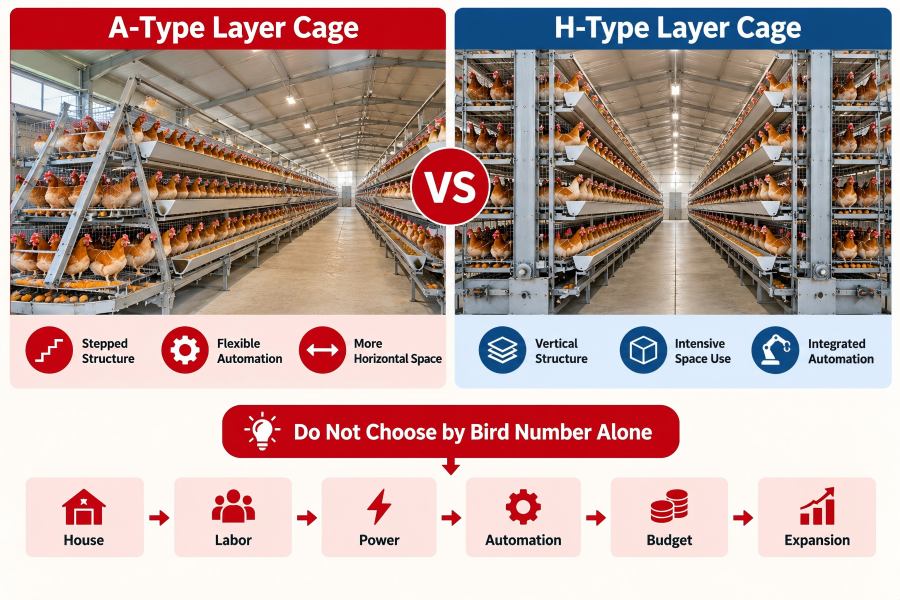
H-Type and A-Type systems should be evaluated as operating systems, not simply as cage-price labels. H-Type is the documented product reference for this article. No verified A-Type specification or price has been supplied, so a direct price or performance comparison cannot be made.
Build a Complete Layer Farm Budget
Provide your project country, planned flock size, site status, required systems, and installation expectations to separate equipment cost from the wider farm investment.
| Decision Factor | Question to Resolve |
|---|---|
| Flock target | What capacity must the first phase support? |
| House interface | Is there an existing house, planned house, or only land? |
| Automation target | Which tasks require Automatic Feeding, Drinking, Egg Collection, or Manure Removal? |
| Utilities | What water and power conditions must the system accommodate? |
| Labor plan | Which tasks remain manual and which require automation? |
| Expansion | Which routes and utilities should be preserved for future stages? |
The H Type Layer Cage System should be selected against the flock target, house interface, automation objective, labor organization, utilities, and expansion direction. A lower initial cage quotation can transfer cost or operating complexity elsewhere in the project.
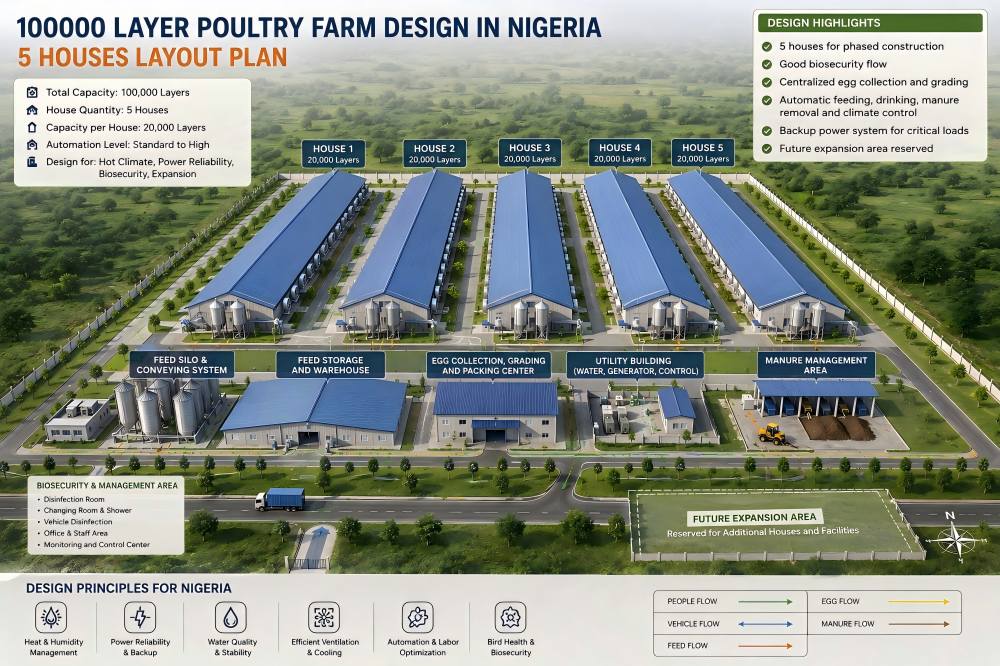
A 30,000-Layer Quotation Review Framework
The upper end of the supplied application range is 30,000 chickens. For a proposed 30,000-layer project, request a technical schedule before relying on a commercial total.
The schedule should state the final cage quantity, H-Type configuration, layout interface, and every automation system included. It should identify whether Automatic Feeding, Automatic Drinking, Automatic Egg Collection, Automatic Manure Removal, ventilation, and a Climate Control System are included, optional, excluded, or supplied by another party.
Build separate budget lines for:
- Poultry house and site preparation
- Water storage, treatment, distribution, and connection work
- Electrical connection, Control System interfaces, and backup-power planning
- Biosecurity provisions and access arrangements
- Delivery, unloading, installation, commissioning, and training
- Initial spare parts and maintenance planning
- Labor, feed, water, electricity, routine maintenance, and working capital
The final H-Type layout and total investment must be confirmed against the actual land or poultry-house plan, access routes, water conditions, power conditions, installation responsibilities, and desired automation level. Without these inputs, a broad battery cage price in Nigeria request cannot become a reliable farm budget.
How to Control Investment Before Requesting a Price
Investment control means defining the system boundary before committing funds, not removing necessary farm functions.
- Define the request. Confirm whether it covers equipment only, equipment plus delivery, or a broader implementation scope.
- Use one checklist. Send the same flock target, drawings or land dimensions, automation requirements, and delivery basis to every supplier.
- Separate exclusions. Require a written list of buyer-supplied work, locally sourced items, and items needing later confirmation.
- Plan utilities early. Consider water, electrical supply, backup power, ventilation, and control interfaces before finalizing the layout.
- Plan maintenance. A stated 15–20 year design service life does not remove the need for inspection, maintenance, spare parts, and replacement planning.
- Keep expansion visible. Identify future infrastructure that would be costly to relocate.
LIVI states that it supports farm planning, customized solution development, poultry equipment production, cross-border delivery, installation commissioning, and long-term service. The final documents should still define installation, training, spare-parts, and service responsibilities for the specific project.
What to Send for a Project-Specific Quotation
Provide the following information for a clearer quotation:
- Project country and target number of layers
- Land dimensions or poultry-house drawings, including access routes
- Existing building status and intended equipment area
- Required automation level and equipment priorities
- Water source and water conditions
- Power-supply conditions and backup-power plan
- Preferred quotation method: FOB or CIF
- Required delivery, installation, commissioning, training, and spare-parts scope
- Future expansion plan, if any
LIVI states that it has visited more than 1,000 commercial poultry farms and supports projects across different climates, sites, and farm scales. That general experience does not replace project-specific confirmation of the layout, utilities, supply scope, and commercial responsibilities.
FAQ
What should be included when comparing H type layer cage prices in Nigeria?
Compare the same technical scope: target flock, H-Type cage configuration, material and surface treatment, automation systems, delivery term, installation boundary, spares, and exclusions. A cage price alone should not be treated as the total cost of a layer farm. Request a line-by-line scope matrix from every supplier before comparing commercial totals.
Does an H-Type Layer Cage quotation include Automatic Egg Collection and Automatic Manure Removal?
The supplied H-Type Layer Cage description references Automatic Egg Collection and Automatic Manure Removal. The exact equipment scope, quantities, interfaces, and whether each system is included or optional must be confirmed in the final technical quotation. Buyers should also confirm whether Automatic Feeding, Automatic Drinking, ventilation, and Climate Control System components are included.
Does the H type layer cage price include shipping, installation, and spare parts?
Shipping, installation, and spare parts cannot be assumed to be included in a cage price. The supplied product information lists FOB and CIF quotation methods, but the actual freight, destination handling, installation, and spare-parts scope must be confirmed in writing. Ask for included, excluded, and buyer-responsible items to be listed separately.
What is the documented application range for the supplied H-Type Layer Cage?
The supplied product reference is stated for commercial layer farms of 5,000–30,000 chickens. Final equipment quantity, layout, tier configuration, and poultry-house interface require project-specific technical confirmation. The reference should not be used to infer capacity per cage set or a complete farm design.
How should I compare H-Type and A-Type cage systems for a commercial layer project?
Compare H-Type and A-Type options against flock target, available house or site conditions, automation requirements, utility reliability, labor plan, and future expansion needs. For this article, H-Type is the documented product reference; no verified A-Type technical specification or price is supplied. Do not select a system only because its initial equipment price appears lower.
What information is needed for a project-specific H-Type Layer Cage quotation?
Provide the project country, layer target, land or poultry-house dimensions, water conditions, power supply and backup-power plan, required automation level, delivery preference, and expansion plan. Also identify whether the request covers equipment only or a wider scope involving delivery, installation commissioning, and long-term service. These inputs allow the technical scope and commercial exclusions to be confirmed before pricing.
Compare Your H-Type Cage Quote Scope
Build a Complete Layer Farm Budget
TAGs: H type layer cage price in Nigeria, H type layer cage system price in Nigeria, 30,000 layer farm planning, H Type vs A Type layer cage, automatic egg collection, poultry equipment quotation