



Quick Answer: Which Automation Upgrade Deserves Funding First?
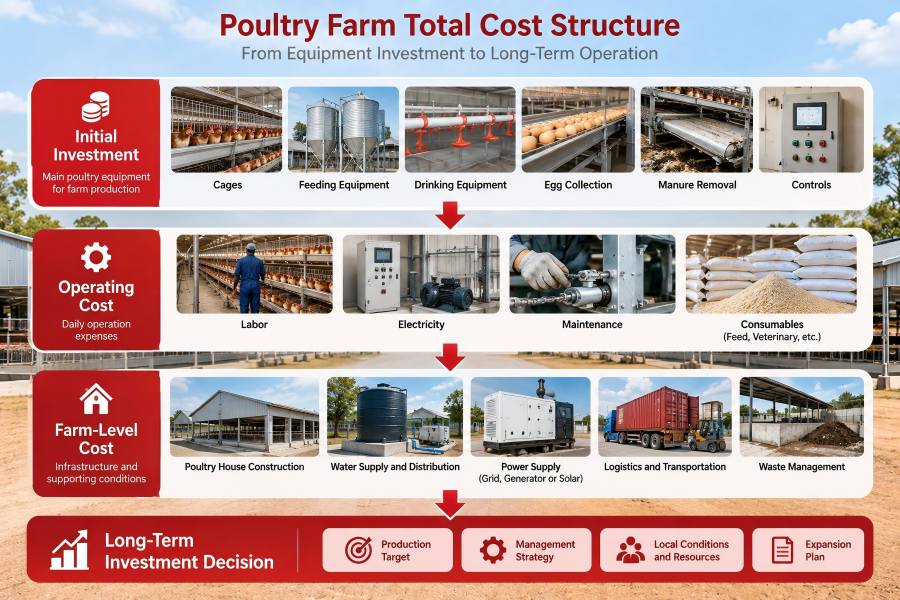
For a 20,000-layer farm, fund the feasible upgrade that addresses the most consequential task or risk at an acceptable incremental cost. First secure reliable water and other essential welfare conditions; then compare feeding, manure removal and egg collection alongside further drinking upgrades using the same baseline.
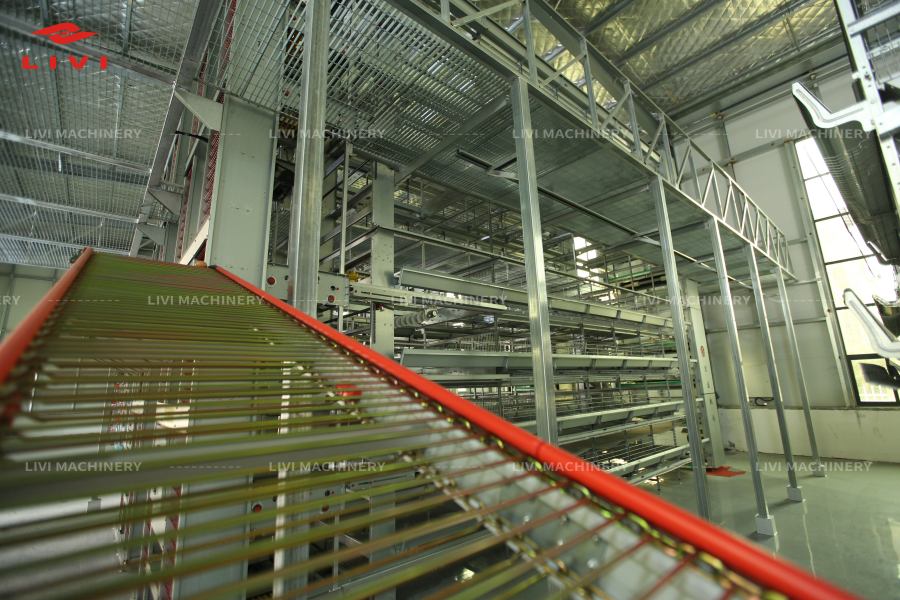
The benefits of automatic poultry farming systems depend on labor, losses, utilities and remaining manual work. Feeding may lead where distribution takes substantial time or spillage is measurable. Egg collection may rank higher where handling is the bottleneck; manure removal may take priority where the task is difficult to perform reliably. No sequence suits every site.
Which Daily Task Creates the Strongest Investment Case?
Define how the farm would operate without each upgrade. For an existing site, record task frequency, worker hours, wages and equipment. Track feed spillage, water interruptions, manure handling time and egg damage separately. For a new farm, document expected labor and losses as planning assumptions and test alternative values.
Map each process from start to finish. A feeder may distribute feed while staff still load the hopper; an egg collector may move eggs to a row end while workers carry them onward. These remaining tasks affect the upgrade’s value.
Distinguish time released from cost avoided. Reassigned workers may provide useful capacity without an immediate payroll saving. Record that benefit separately rather than treating every hour as cash saved.
Reliable drinking water is a welfare and operational prerequisite, not an option competing solely on payback. Identify interruptions, pressure problems and maintenance needs before ranking further drinking upgrades.
How Do Four Automation Upgrades Compare for Funding?
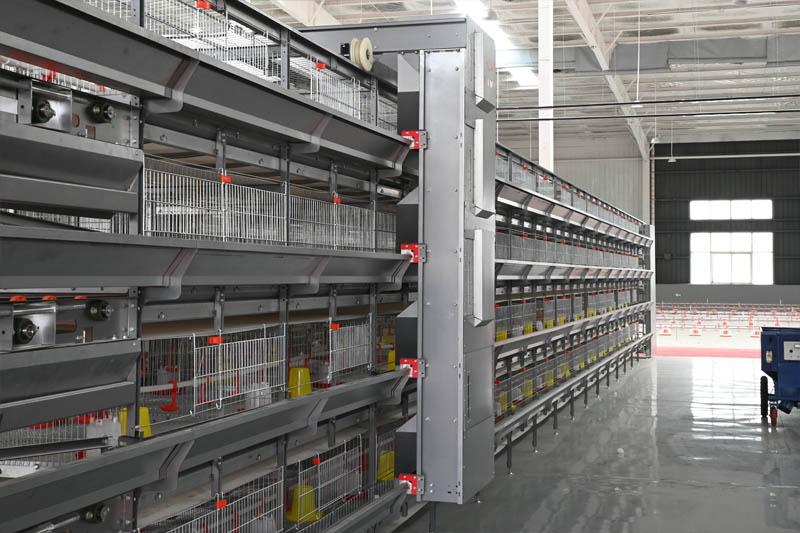
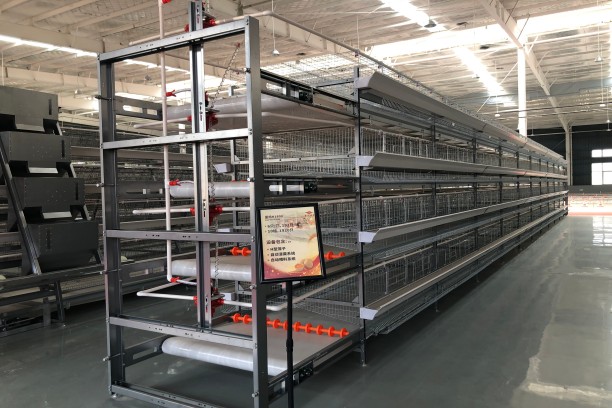
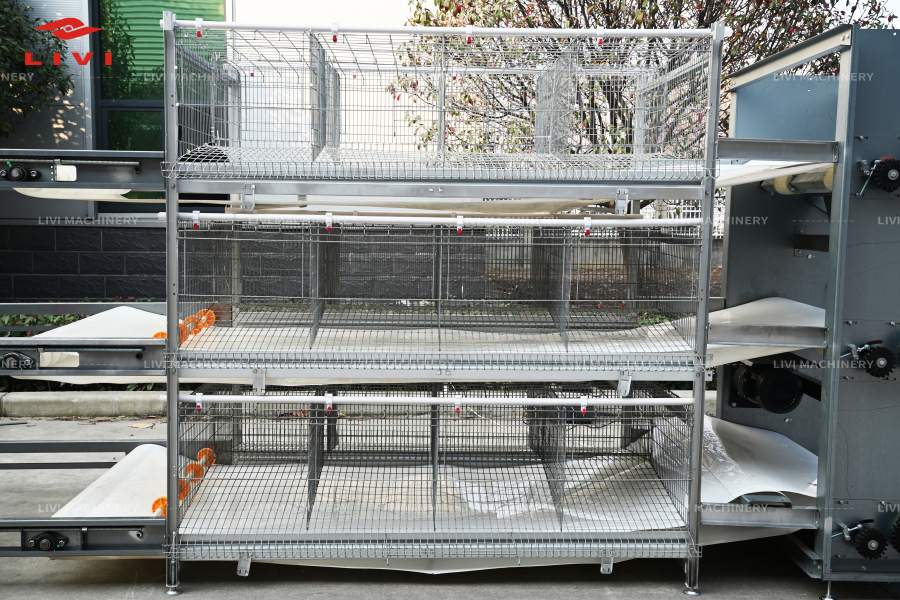
The LIVI A45-41 A-Type Layer Cage can be evaluated for the planned flock if the layout and other conditions fit. Its listed standard configuration includes a traveling feeder, basic Automatic Drinking, a scraper and an egg collector. Establish the actual quotation baseline before calculating an option’s incremental cost: an item already included is not a new purchase.
Plan an Equipment Configuration Around Your Priorities
Share your 20,000-layer project location, house dimensions, budget, and main labor or waste concerns to discuss a tailored equipment configuration with LIVI.
| Upgrade and A45-41 choices | Task and potential benefit | Limitations and dependencies | Funding decision |
|---|---|---|---|
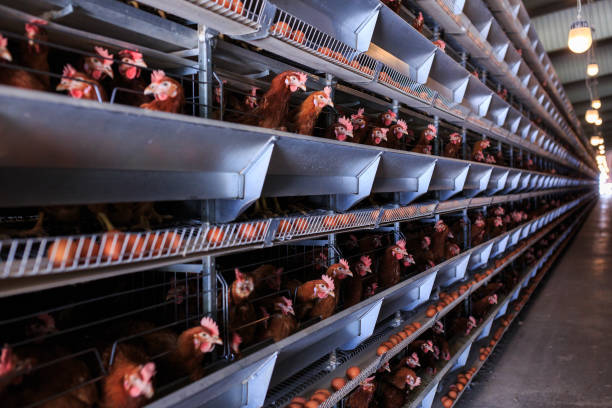
| Automatic Feeding: semi-automatic cart, traveling feeder or gantry feeder | Distributes feed; may reduce handling time and help control distribution. The listed gantry feeder can serve multiple rows. | Loading, adjustment and cleaning remain relevant; confirm layout, feed supply and power. | Compare the quoted difference and avoidable labor or spillage. Consider early if distribution is a costly bottleneck and the feeder fits. |
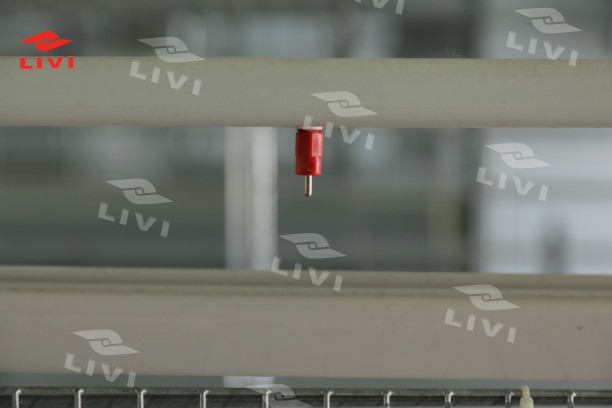
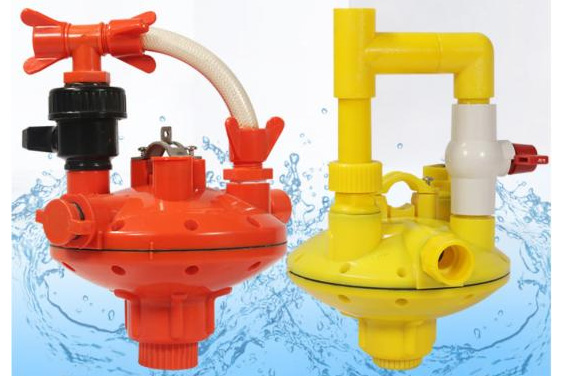
| Automatic Drinking: basic or higher configuration | Delivers water; assess access and the work required to check and maintain it. | Depends on source reliability, pressure, filtration and flushing. Staff still need to inspect and maintain it. | Secure essential water reliability initially; assess additional features against incremental cost and operational value. |
| Manure removal: manual handling, scraper or flat-belt removal | Moves manure; may reduce handling time and support a workable removal routine. | Check channels, discharge route, power, storage access and continued cleaning. | Consider early if removal is difficult to complete reliably; price the route beyond the cage, not just the machine. |
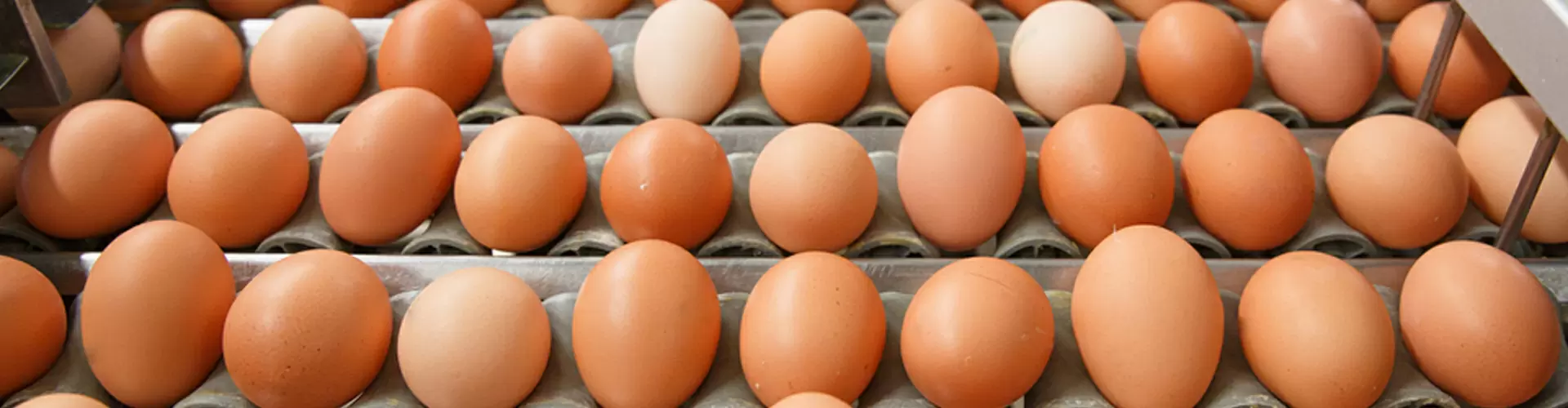
| Egg collection: manual collection, egg collector or collector with central collection | Moves eggs; may reduce handling and exposure to damage. | Transfer points, cleaning, power and the final manual handling point affect the result. | Compare a central line with the quoted collector baseline. Prioritize it if downstream handling is the strongest constraint. |
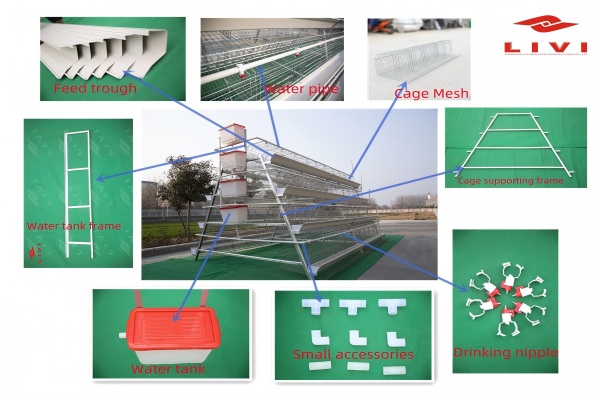
These options do not establish that every combination fits every house. The A45-41 component record lists a round water pipe and pressure-reducing tank as standard choices, with a square pipe and pressure-reducing valve as alternatives. Confirm the components and functions in each proposal rather than assuming that a higher configuration includes monitoring.
Develop a Layout for Your Preferred Upgrades
Provide your cage layout, house dimensions, water and power conditions, and preferred feeding, drinking, manure, and egg-handling options for layout planning.
A row scraper does not establish how manure reaches storage; an egg collector is not necessarily a central collection line. Ask suppliers to mark where automated movement starts and ends and who performs each remaining transfer. That connects quoted cost to the task the buyer wants to change.
How Can Incremental Cost and Benefit Determine the First Phase?
Use supplier quotations and the farm’s assumptions for each candidate. Compare equivalent scopes and the same operating period:
Incremental installed cost = total installed cost with the upgrade − total installed cost of the baseline.
Include equipment, interfaces, infrastructure, freight and installation in both totals as applicable. Add differences in cage support or electrical work. Avoid comparing an equipment-only option with a baseline that includes installation.
Estimated annual net operating benefit = realistically avoidable annual labor and loss costs − added annual electricity, maintenance, consumables and other recurring costs.
Value only labor cost the farm expects to avoid. Estimate changes in feed loss or egg damage using site records or documented assumptions; do not count a saving twice. Test lower and higher benefit assumptions to see whether the preferred choice changes.
When annual net benefit is positive, indicative simple payback = incremental installed cost ÷ estimated annual net operating benefit. This screening measure excludes financing, taxes and changing cash flows. It is not a profitability forecast or guarantee; if net benefit is zero or negative, the formula does not produce a meaningful payback period.
Choose among feasible options using available capital, operating benefit, continuity and welfare needs. Phasing may preserve initial cash, but compare later equipment, repeat installation and disruption costs with an integrated purchase. Obtain written confirmation that the chosen A45-41 layout, frame loading and connections support any intended retrofit.
What Site and Delivery Conditions Could Change the Upgrade Ranking?
An attractive option can fall down the list if supporting infrastructure is costly or unreliable. Confirm electricity voltage, supply reliability and backup arrangements against proposed motors and controls. For drinking, assess the source, pressure, quality, storage, filtration and flushing plan. Include required site work in the incremental comparison.
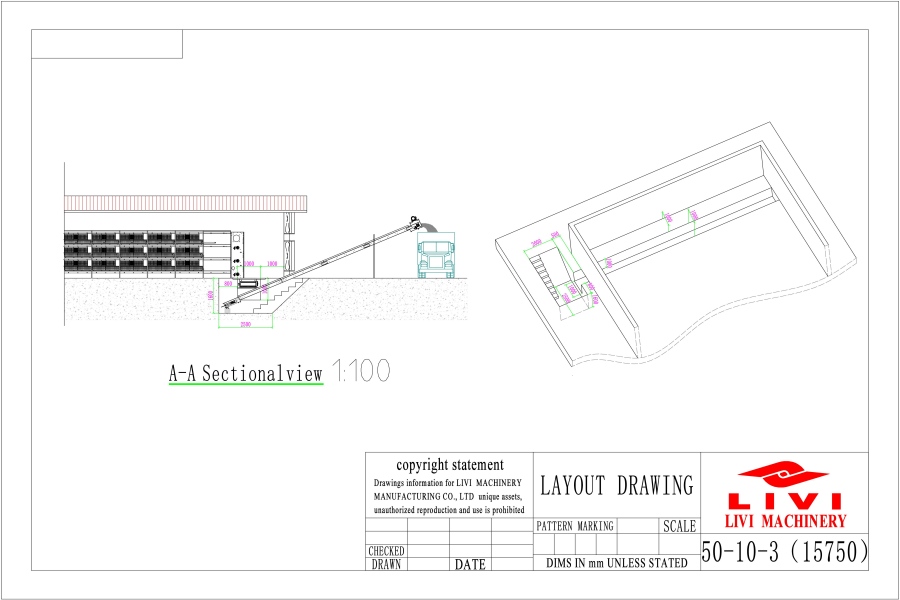
Check temperature, humidity, corrosion exposure and maintenance space. A manure removal system does not replace ventilation. Confirm manure discharge and storage access, and whether the egg route leaves room for cleaning and staff.
Verify applicable local welfare, stocking, building, electrical, manure-handling, import and permit requirements with relevant authorities. Request a layout showing rows, equipment movements and service access; flock size alone does not establish final cage quantity or fit.
What should buyers compare in supplier responses?
Give suppliers the same flock target, house dimensions, existing equipment, utilities, budget and preferred sequence. Request these details against a common baseline:
- Configuration: quantities, materials, surface treatment, controls, utility needs, process endpoints and separately priced options.
- Quality evidence: material and weld checks, assembly inspection and functional testing for quoted components.
- Delivery: trade terms, freight, import charges, unloading responsibilities and exclusions.
- Implementation and service: installation, commissioning, training, local labor, spare parts, warranty and technical-support terms.
- Future phase: confirmed interfaces, modifications, disruption and responsibility for compatibility.
LIVI states that it can provide packing lists, installation materials, equipment instructions and technical support. Confirm what the offer includes and whether remote guidance or on-site engineer support is available under the agreed terms. After commissioning, compare actual task hours, losses, downtime and maintenance with the baseline before funding another phase.
Discuss Installation Guidance for Your Selected Phase
Share your project location, house dimensions, selected automation phase, site utilities, and installation resources to discuss remote or on-site guidance.
FAQ
1. What does the automatic system include: feeding, drinking, manure removal, and egg collection?
Scope depends on the configuration and quotation. The listed A45-41 standard includes a traveling feeder, basic Automatic Drinking, a scraper and an egg collector; central collection with an egg collector is an alternative. Ask where each automated process starts and ends and what remains manual.
2. Can Automatic Feeding reduce feed waste as well as labor?
It may reduce handling time and help control distribution, but waste reduction depends on adjustment, trough condition and farm practices. Compare measured or estimated spillage and avoidable labor with the full incremental installed and operating cost. Check results after commissioning; savings are not guaranteed.
3. Should a drinking upgrade be judged only by financial payback?
No. Reliable water access is a welfare and operational prerequisite, even when its financial value is difficult to isolate. Assess the source, pressure, filtration, flushing, interruptions and maintenance first. Compare additional drinking features after establishing a workable essential supply.
4. When is phased automation preferable to buying every system at once?
Phasing may suit a restricted budget when the initial configuration operates safely and later equipment has compatible interfaces. Compare total staged costs, retrofit work and disruption with an integrated purchase. Obtain written compatibility confirmation for the specific A45-41 layout before relying on a future upgrade.
5. What should a supplier quote show for each automation upgrade?
It should identify quantities, specifications, process endpoints, utility needs and layout compatibility, with options priced against the same baseline. Request written freight, unloading, installation, training, spare-parts and warranty terms, exclusions and future-upgrade provisions. This makes the incremental cost more meaningful than a package-price difference.
The benefits of automatic poultry farming systems support a sound funding decision when tied to a site task, a compatible configuration and its full incremental cost.
TAGs: benefits of automatic poultry farming systems, 20,000-layer farm automation, automatic feeding, automatic drinking, automatic manure removal, automatic egg collection