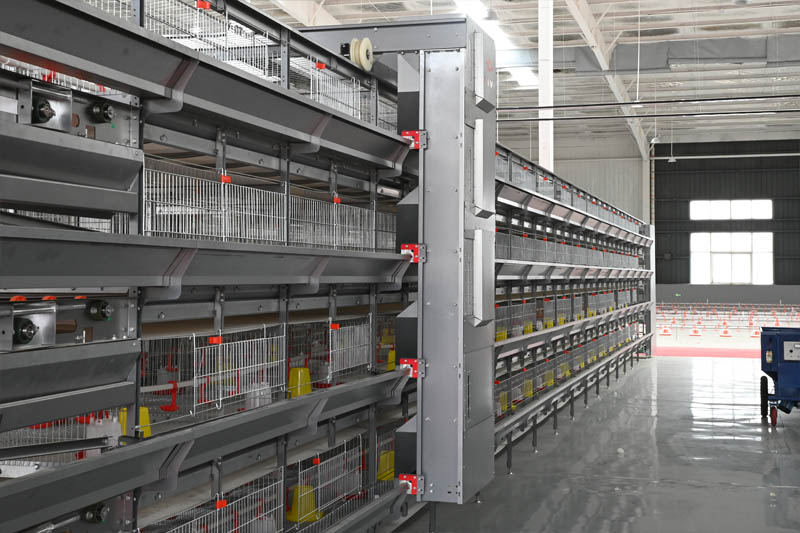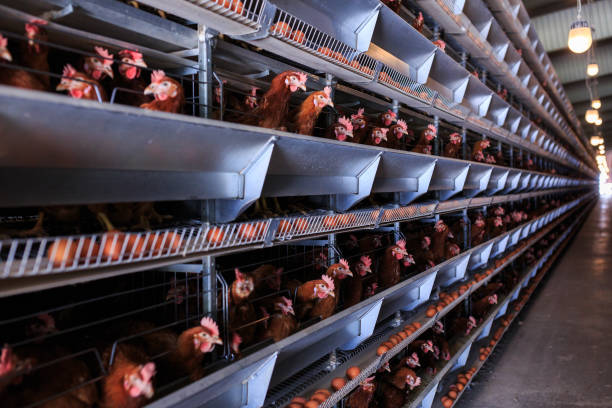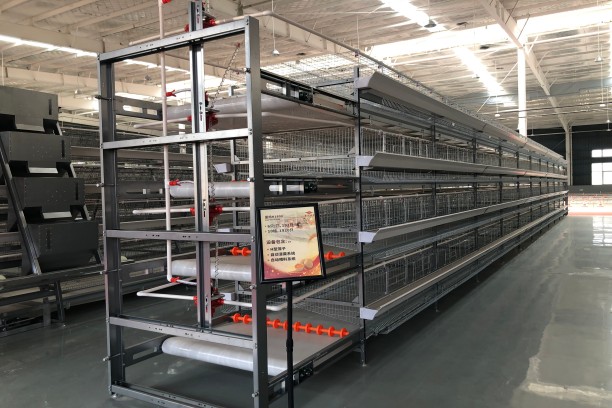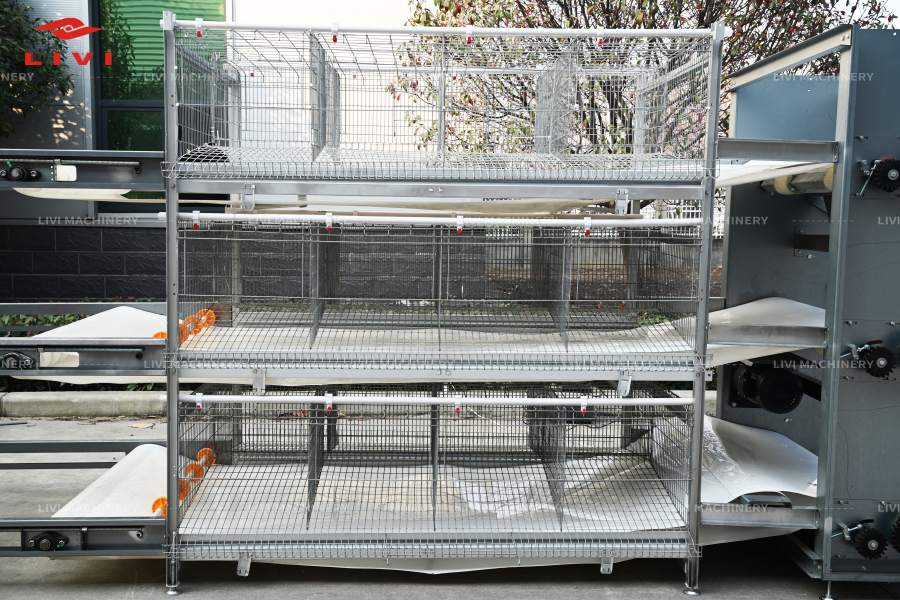




Automatic Poultry Drinking System for Layer, Broiler and Pullet Farms
Time : 2026-08-18 Author : LIVI Poultry Farming Expert
LIVI automatic poultry drinking system delivers clean, controlled water with nipple drinkers, pressure regulation and dosing for layer, broiler and pullet farms.

Quick Answer
An Automatic Poultry Drinking System provides controlled drinking water for layers, broilers and pullets through PVC water pipes, nipple drinkers and pressure-regulation equipment. LIVI’s system can include pressure-reducing tanks or regulators, drinking pipes, 360° nipple drinkers, drip cups, lifting equipment and a medication doser, helping commercial poultry farms maintain reliable water delivery while reducing leakage and daily manual work.
What Is an Automatic Poultry Drinking System?
Water is one of the most important resources in poultry production. However, simply supplying enough water is not sufficient for a commercial poultry farm.
Farm managers also need to consider:
- Is water available consistently throughout the house?
- Is water pressure suitable for the birds?
- Are the nipples sensitive enough for chicks or adult birds?
- How can leakage and water waste be reduced?
- Can medication or vaccines be delivered through the drinking line?
- How can the water line be flushed after long-term use?
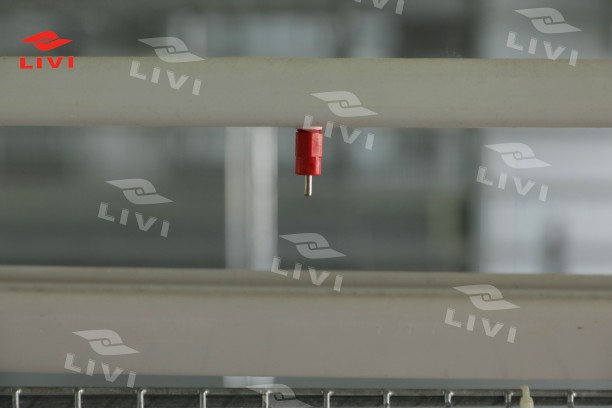
A poultry nipple drinking system addresses these requirements by integrating water supply, pressure control, nipple drinking points and supporting components into one system.
According to LIVI’s technical configuration, the complete drinking system consists of a pressure-reducing water tank or pressure regulator, water pipes, nipple drinkers, drip cups, lifting system and medication doser.
This makes the system suitable for integration with modern layer cage systems, broiler farming equipment and pullet rearing systems.
Why Does the Drinking System Matter in a Commercial Poultry Farm?
For a small flock, water can be supplied with simple drinkers. As flock capacity increases, however, manual water management becomes difficult.
A commercial poultry farm needs a drinking system capable of providing water across multiple cages, tiers or floor-rearing lines.
A properly configured automatic chicken drinking system can help farmers achieve three important goals:
1. Reliable Water Delivery
Pressure-regulation equipment helps maintain suitable water pressure throughout the drinking line.
2. Cleaner Drinking Conditions
Nipple drinkers provide water directly when birds activate the nipple rather than exposing large volumes of drinking water in an open container.
3. Easier Farm Management
Automatic water delivery reduces the need to manually refill individual drinkers throughout a large poultry house.
LIVI Poultry Drinking System Components
The performance of an automatic drinking system depends on more than the nipple itself.
A complete LIVI solution can include:
| Component | Main Function |
|---|---|
| Pressure-reducing tank | Reduce and stabilize water pressure |
| Pressure regulator | Control drinking-line pressure |
| PVC water pipe | Transport water along the drinking line |
| Nipple drinker | Provide water directly to birds |
| Drip cup | Catch dripping water |
| Lifting system | Adjust drinking-line position |
| Medication doser | Mix medication or treatment solution into water |
Understanding these components is important when comparing different poultry drinking equipment rather than purchasing nipple drinkers alone.
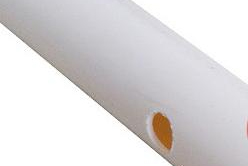
1. PVC Drinking Water Pipes
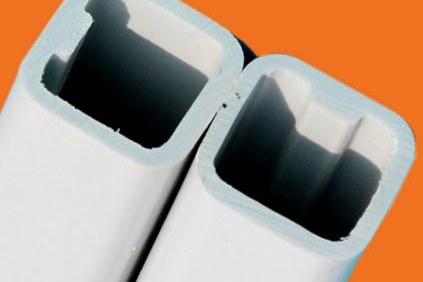
LIVI offers both round and square PVC drinking pipes.
The documented specifications are:
| Water Pipe Type | Specification | Wall Thickness | Material |
|---|---|---|---|
| Round pipe | 25 mm diameter | 2 mm | PVC |
| Square pipe | 22 mm | 2 mm | PVC |
The appropriate pipe configuration can be selected according to the poultry housing and drinking-line design.
2. Poultry Nipple Drinkers
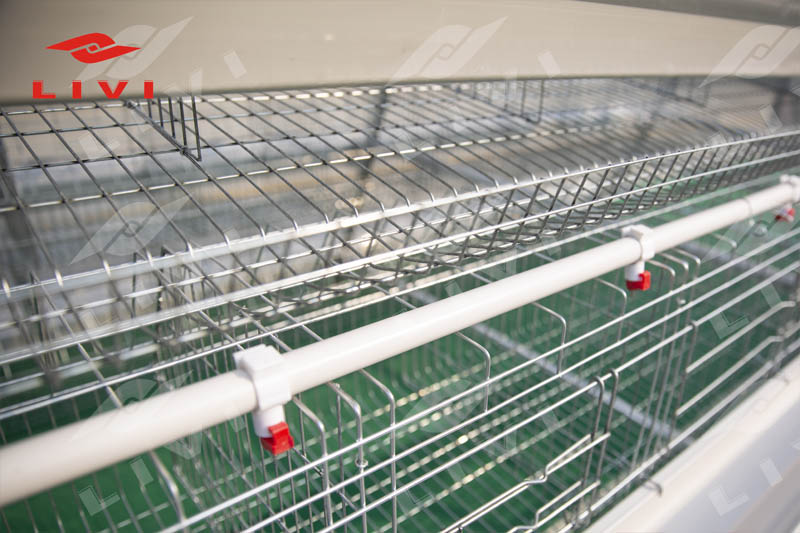
The nipple drinker is the bird’s direct drinking point and is therefore one of the most important components in an automatic poultry watering system.
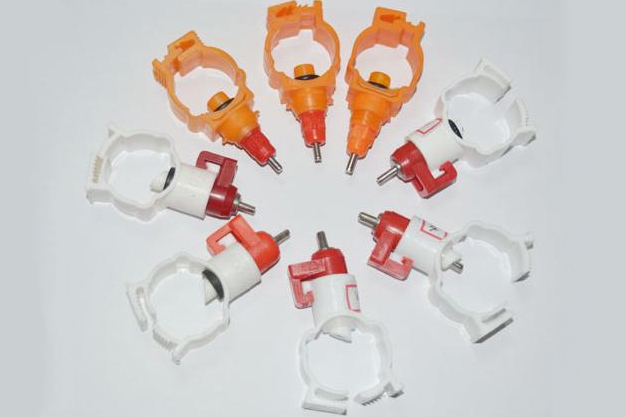
The technical document identifies two common nipple types:
- Steel-ball nipple
- Steel-column nipple
Different opening forces can be selected for different birds.
Approximately 40 g opening force is suitable for adult chickens, while approximately 10 g opening force can be used by both chicks and adult birds.
This distinction is particularly important when choosing a nipple drinking system for chicks and adult chickens.
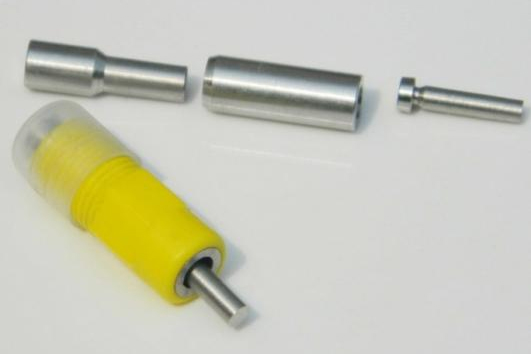
3. 360° Stainless Steel Ball Nipple Drinker
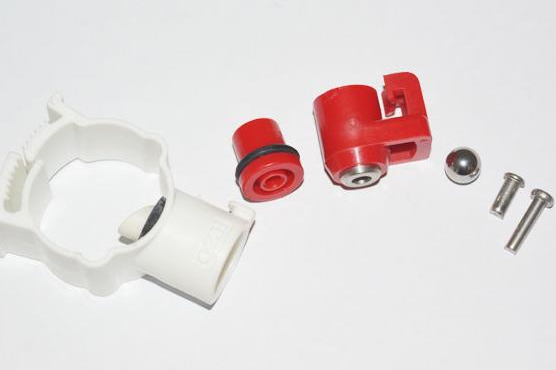
The steel-ball nipple is a key configuration in the LIVI poultry drinking system.
Material
The documented construction includes:
- 304 stainless steel sleeve
- 304 stainless steel head
- Stainless steel ball
- High-quality ABS engineering plastic
Key Features
The nipple provides:
- High sensitivity
- 360° water activation
- Easy installation and removal
- Convenient cleaning
- No adhesive connection required
Installation is performed by drilling the drinking-line pipe and installing the nipple directly with the snap-fit connection.
For poultry farms, 360° activation can make drinking access more practical because birds can activate the nipple from different directions.
4. Silicone vs Natural Rubber Nipple Seals
Seal material is a small component that can have a significant effect on drinking-line reliability.
The LIVI technical document compares two commonly used seal materials:
| Factor | Natural Rubber Seal | Silicone Seal |
|---|---|---|
| High-temperature behavior | Can become sticky | Better heat resistance |
| Low-temperature behavior | Can become hard | Better cold resistance |
| Deformation resistance | Lower | Higher |
| Sealing performance | Can cause supply/leakage problems | More stable sealing |
Natural rubber may become sticky at high temperatures or hard at low temperatures, potentially contributing to insufficient water supply or leakage. Silicone seals provide better resistance to temperature changes and deformation.
Which Is Better for Commercial Poultry Farms?
For farms operating across substantial seasonal temperature changes, silicone sealing offers a more stable option based on the characteristics documented above.
This is a useful detail buyers should verify when comparing poultry nipple drinker systems, because two nipples that look similar externally may use different internal sealing materials.
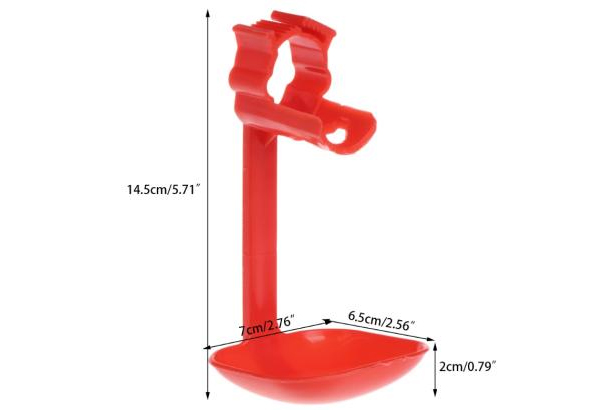
5. Drip Cups for Broilers and Pullets
Not every poultry drinking system needs the same accessories. According to LIVI’s technical guidance:
- Layer drinking systems generally do not require drip cups.
- Broiler and chick drinking systems can be equipped with drip cups.
The drip cup is made from PP material and works with the nipple drinker to catch dripping water and reduce water waste.
This means the drinking system should be configured according to bird type rather than applying exactly the same design to every poultry project.
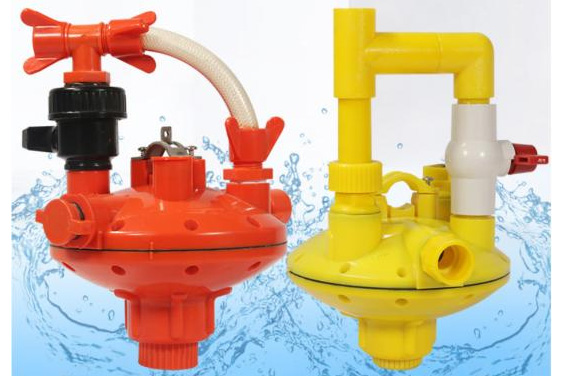
6. Pressure Regulator
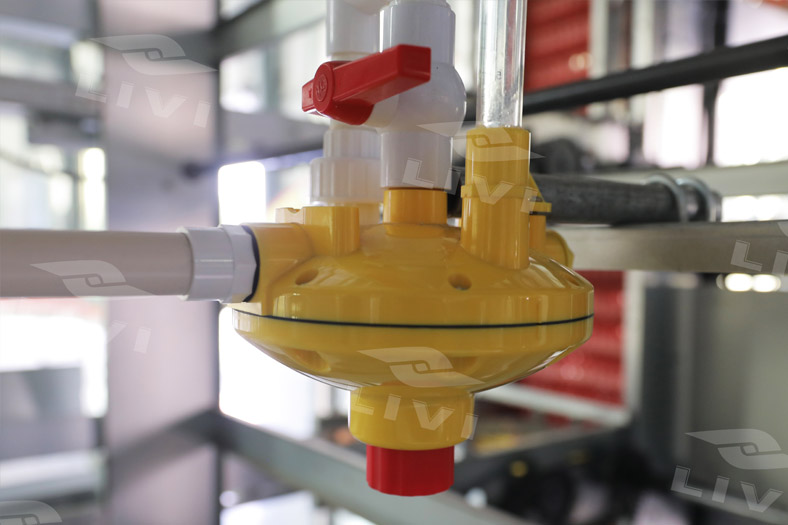
Water pressure is one of the key variables affecting the performance of a nipple drinking line. LIVI’s documented pressure regulator has the following specifications:
| Parameter | Specification |
|---|---|
| Working pressure | 0.1–0.4 MPa |
| Water output at 0.1 MPa – working mode | 20 kg/min |
| Water output at 0.1 MPa – backflush mode | 35 kg/min |
| Suitable round drinking pipe | 25 mm / 26.6 mm |
| Suitable square pipe | Supported |
| Water-level downward adjustment range | 160 mm |
The regulator is designed for rapid and stable water-pressure adjustment.
Its water-level display uses a transparent PC tube so operators can observe the water level more easily. The display tube uses a seal-ring connection and can be removed for cleaning.
Need the Right Drinking System for Your Farm?
Share your bird type, farm capacity and poultry house layout. LIVI can recommend a suitable drinking-line configuration.
Pressure Regulator vs Pressure-Reducing Water Tank: Which Should You Choose?
This is an important purchasing decision that is often overlooked.
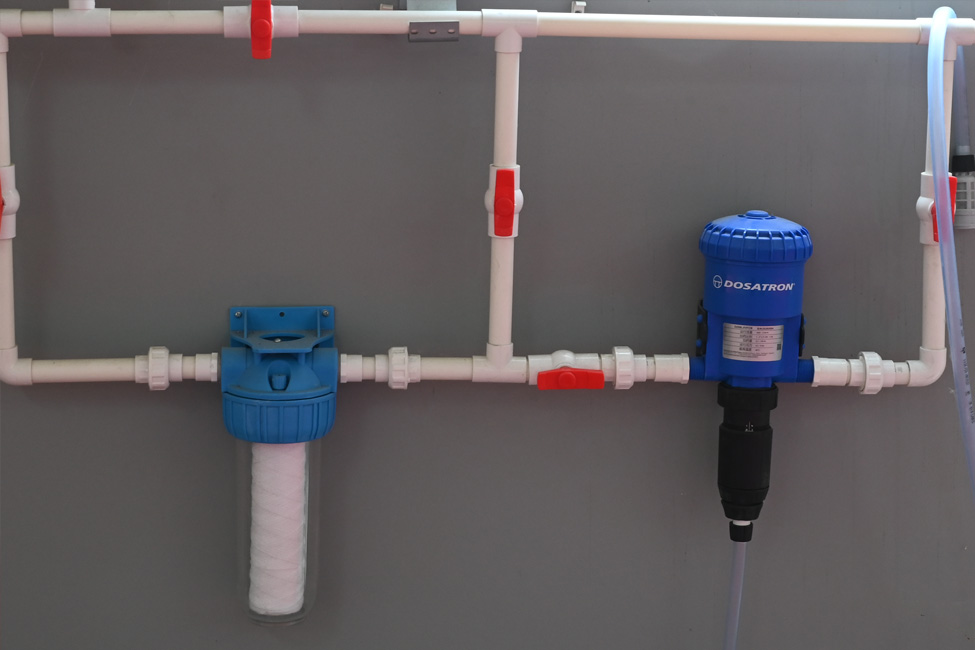
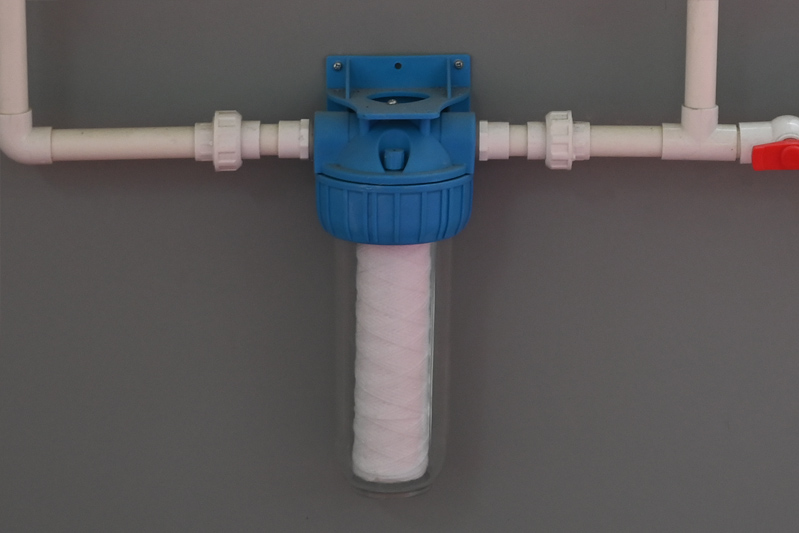
LIVI’s technical guidance recommends the pressure-reducing water tank as the preferred option. Pressure regulators are considered wearing components and can be more vulnerable to failure; when a regulator is used, a water purifier/filter should also be configured.
| Factor | Pressure Regulator | Pressure-Reducing Tank |
|---|---|---|
| Main function | Regulate line pressure | Reduce and stabilize water pressure |
| Maintenance | Requires more attention | Practical stable-pressure option |
| Water filtration | Purifier recommended | Depends on system configuration |
| LIVI recommendation | Optional | Recommended |
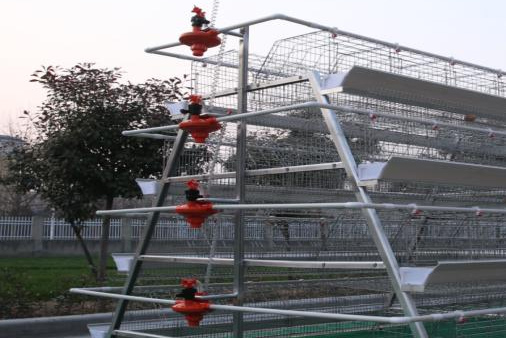
For cage systems, the pressure-reduction equipment is generally configured according to the number of cage tiers, normally one unit for each tier.
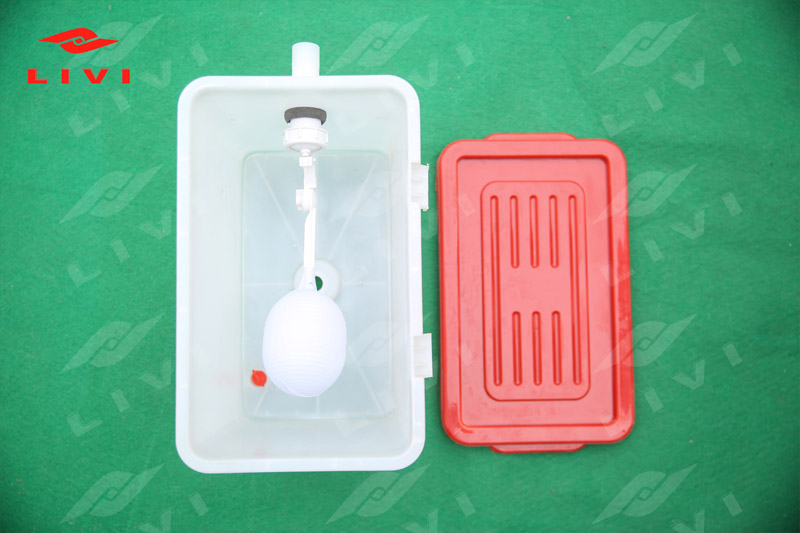
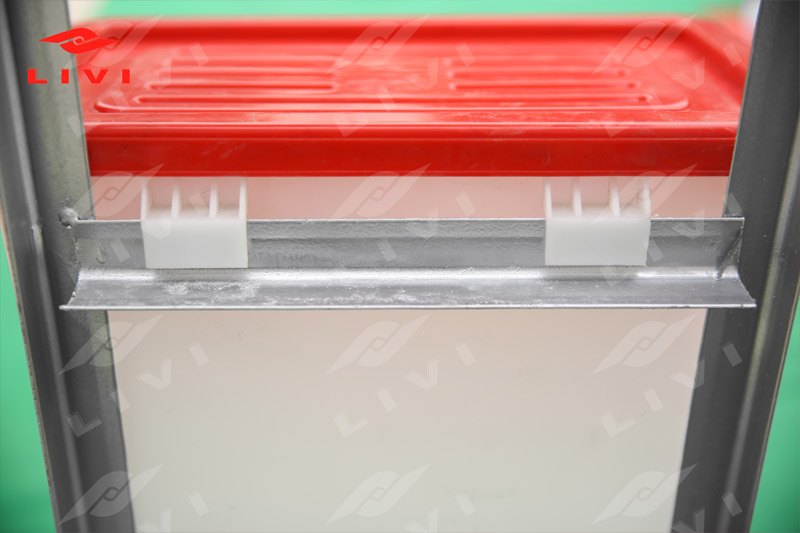
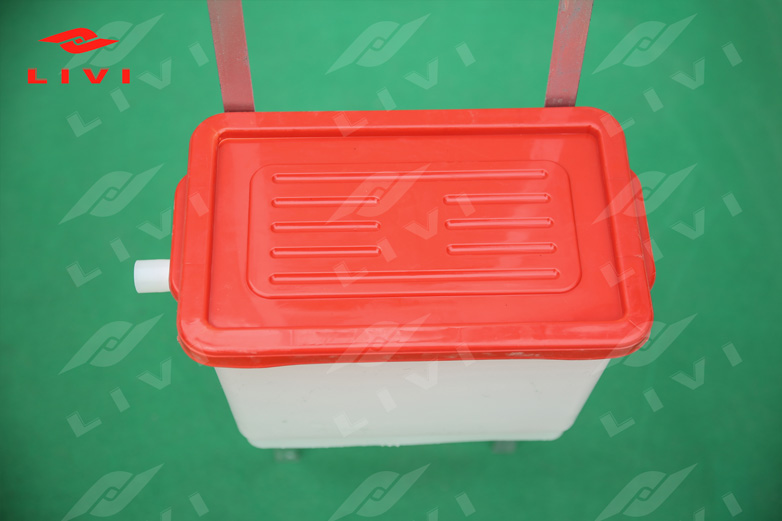
7. 12L Pressure-Reducing Water Tank
The purpose of the pressure-reducing tank is not primarily to store water. Instead, it is designed to:
- reduce water pressure
- stabilize pressure
- automatically control water inflow and outflow
Technical specifications:
| Parameter | Specification |
|---|---|
| Material | Food-grade PP |
| Capacity | 12 L |
| Dimensions | 36 × 23 × 28 cm |
| Net weight | 0.75 kg |
The package includes the tank body, cover, float water-control device and bottom sealing plug.
This distinction is important for buyers searching for a pressure reducing water tank for poultry drinking systems: its main purpose is pressure stabilization, not bulk water storage.
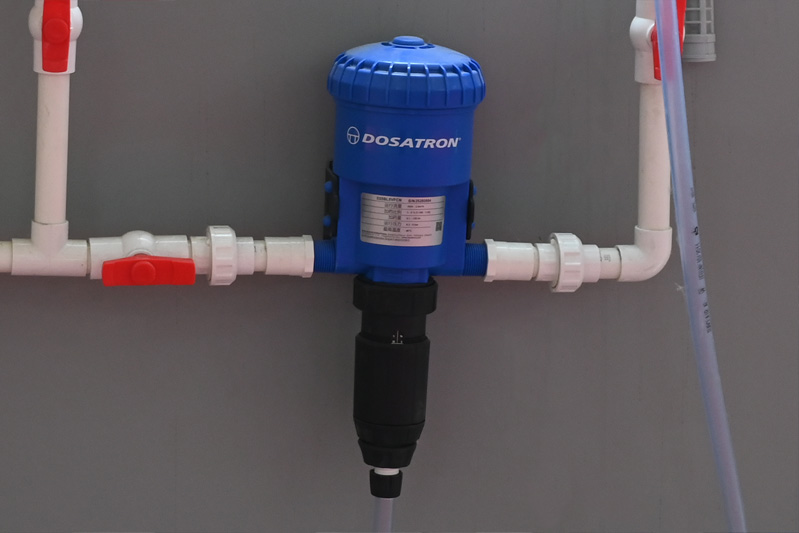
8. Poultry Medication Doser
For commercial poultry farms, drinking lines may also be used for medication, vaccination and water-treatment applications.
LIVI’s medication doser operates using the energy of the water flowing through the pipeline, meaning no electricity is required.
The dosing ratio can be adjusted externally, and the proportion remains controlled as water flow changes. The unit is also designed for simple installation, convenient maintenance and corrosion resistance.
🐔How Does the Poultry Medication Doser Work?
The doser is installed directly into the water pipeline.
Water flow drives the dosing pump. The pump then draws concentrated solution according to the preset ratio, mixes it with the main water flow and transports the mixture downstream.
The amount of concentrated solution remains proportional to the volume of water entering the dosing pump, helping maintain a consistent water-to-treatment ratio.
🐔D25RE2 Medication Doser Specifications
| Parameter | Specification |
|---|---|
| Injection ratio | 0.2%–2% |
| Ratio range | 1:500–1:50 |
| Operating water flow | 10 L/h–2.5 m³/h |
| Operating pressure | 0.3–6 bar |
| Concentrate injection flow | 0.02–50 L/h |
| Pressure range | 4.30–85.0 PSI |
| Percentage range | 0.20%–2.00% |
The documented livestock applications include medication through drinking water as well as vaccination, water-line cleaning, odor treatment, acidification and drinking-water treatment.
9. Poultry Waterers for Brooding and Free-Range Chickens
Not every flock requires a fixed nipple drinking line. LIVI also provides portable poultry waterers for:
- brooding
- free-range chickens
Available capacities include: 1.5 L / 2.5 L / 6 L / 8 L / 10 L
The waterer consists of:
- water container
- anti-step grid
- base tray
and is made from quality plastic.
This provides an alternative drinking method for smaller birds or production stages where a permanent line is not yet required.
Automatic Nipple Drinking System vs Traditional Poultry Waterers
Which poultry drinking system is better depends on the farming model.
| Factor | Traditional Waterer | Automatic Nipple Drinking System |
|---|---|---|
| Best application | Brooding/small or free-range flocks | Commercial poultry production |
| Water filling | More manual involvement | Automatic line supply |
| Water exposure | Open drinking area | Water released at nipple |
| Pressure control | Limited | Regulator/tank available |
| Medication integration | Limited | Doser can be integrated |
| Large-scale management | Less convenient | Better suited to automation |
| Line flushing | Not applicable | Backflushing available |
Therefore, the question should not simply be “Which poultry drinker is better?”
The better question is:
Which drinking system matches my bird type, farm capacity and housing system?
Top 7 Factors to Consider When Choosing a Poultry Drinking System
For buyers comparing automatic poultry drinking systems, these are the seven most important technical factors to check.
1. Bird Type
Layers, broilers and chicks may require different nipple sensitivity and accessory configurations.
2. Nipple Opening Force
Approximately 40 g is intended for adult chickens, while approximately 10 g can serve both chicks and adults according to the supplied technical document.
3. Nipple Material
304 stainless steel components provide a practical material choice for commercial drinking points.
4. Seal Material
Silicone provides better resistance to high and low temperatures than the natural-rubber option described in the technical document.
5. Water Pressure Management
Choose between pressure regulators and pressure-reducing tanks according to the poultry-house configuration.
6. Cleaning and Flushing
For commercial operations, the ability to flush residue and impurities from the drinking line can simplify maintenance.
7. Medication and Water Treatment
If medication, vaccination or water treatment is required through the drinking system, a proportional medication doser should be considered.
This is a buyer-selection checklist, rather than a ranking of competing brands.
Which Poultry Drinking System Is Best for Different Birds?
For buyers looking for a quick selection reference:
| Application | Recommended Drinking Configuration |
|---|---|
| Commercial layers | Nipple drinking line + pressure control |
| Broilers | Nipple drinking line + optional drip cups |
| Chicks/pullets | Low-opening-force nipple + optional drip cups |
| Brooding | Portable poultry waterer can be used |
| Free-range chickens | Portable waterer can be considered |
| Farms using water medication | Drinking line + medication doser |
This selection logic follows the applications and configurations described in LIVI’s technical material.
Planning a Complete Poultry Farm
Combine drinking, feeding, housing and environmental equipment into one farm plan based on your production requirements.
Installation and Maintenance Considerations
Good equipment can still perform poorly if water pressure, installation or maintenance is incorrect.
For long-term operation, LIVI’s technical document recommends several maintenance practices.
1. Do Not Disassemble the Regulator Unnecessarily
This helps maintain regulator accuracy.
2. Avoid Excessive Heat and Direct Sunlight
The regulator should not be exposed to organic materials, direct sunlight or operating temperatures above 50°C.
3. Clean the Water-Level Tube Regularly
Periodic cleaning helps maintain visibility and system operation.
4. Protect the System from Freezing
When the poultry-house temperature falls below 0°C, water should be drained from the drinking line to prevent system damage.
These details are particularly relevant for farms operating in regions with strong seasonal temperature changes.
Why Choose LIVI Poultry Drinking Equipment?
For commercial farms, the drinking line should be considered as part of the complete poultry production system rather than an isolated accessory.
LIVI machinery can configure drinking equipment according to:
- bird type
- poultry-house layout
- cage configuration
- farm capacity
- production stage
The system can be integrated with layer cage equipment, broiler farming systems, feeding systems and other poultry farm equipment, allowing farmers to plan the entire house around compatible systems.
FAQ About Poultry Drinking Systems
1. What is an automatic poultry drinking system?
An automatic poultry drinking system delivers water through PVC pipes and nipple drinkers. A complete LIVI configuration can include pressure-reducing equipment, water pipes, nipples, drip cups, a lifting system and medication doser.
2. What type of nipple drinker is suitable for chickens?
The choice depends partly on activation force. The supplied technical data indicates that an opening force of around 40 g is suitable for adult chickens, while around 10 g can be used by chicks and adults.
3. What are LIVI poultry nipple drinkers made of?
The steel-ball nipple uses 304 stainless steel for the sleeve, head and ball, combined with high-quality ABS engineering plastic. It provides sensitive 360° water activation.
4. Do layer chickens need drip cups under nipple drinkers?
According to LIVI’s technical guidance, layer drinking systems generally do not require drip cups, while broiler and chick systems can use them to catch dripping water and reduce water waste.
5. What water pressure does the LIVI pressure regulator support?
The documented working-pressure range is 0.1–0.4 MPa. At 0.1 MPa, documented water output is 20 kg/min in working mode and 35 kg/min during backflushing.
6. Should I choose a pressure regulator or pressure-reducing tank?
LIVI recommends the pressure-reducing tank. The technical document notes that pressure regulators are wearing parts and require water purification when used.
7. Can medication be delivered through the poultry drinking system?
Yes. The D25RE2 doser can inject concentrated solution proportionally into the water line. Its documented dosing range is 0.2%–2% (1:500–1:50).
8. How do you clean an automatic poultry drinking line?
The documented pressure-regulation system includes a backflushing function. After prolonged use or medication, the terminal valve can be opened and the regulator switched to backflush mode to help remove residues and impurities.
9. What size PVC pipes are used in the poultry drinking system?
LIVI’s technical material specifies a 25 mm round PVC pipe with a 2 mm wall and a 22 mm square PVC pipe with a 2 mm wall.
Need a Customized Poultry Drinking System?
Tell us your bird type, flock capacity and house size. LIVI will recommend a suitable drinking equipment configuration.