


A Type Layer Cage System: Complete Guide for Commercial Egg Farm Design and Expansion
Time : 2026-07-20 Author : LIVI Poultry Farming Expert
Master your poultry farm layout with our A-type layer cage guide. Learn essential configuration parameters, capacity calculations, and integrated automation systems for maximum efficiency.

Quick Answer
An A Type Layer Cage System is a practical poultry housing solution designed for small and medium commercial egg farms. It provides efficient space utilization, easy management and flexible installation. Compared with fully automated H Type systems, A Type cages are often selected by farmers who need a cost-effective layer farming solution with reliable production performance.
A Type Layer Cage System: Complete Guide for Commercial Egg Farm Design and Expansion
Choosing the Right Layer Cage Solution Before Starting Your Poultry Farm
For farmers planning to start or expand an egg production business, selecting the right cage system is one of the most important decisions.
The cage system directly affects:
- investment cost
- poultry house design
- daily management
- labor requirements
- future expansion
Many farmers ask:
- Is A Type cage suitable for my farm?
- How many birds can an A Type cage hold?
- What equipment is needed with the cage system?
- Should I choose A Type or H Type cages?
This guide explains the structure, application, configuration and selection considerations of A Type Layer Cage Systems for commercial egg farms.
What Is an A Type Layer Cage System?
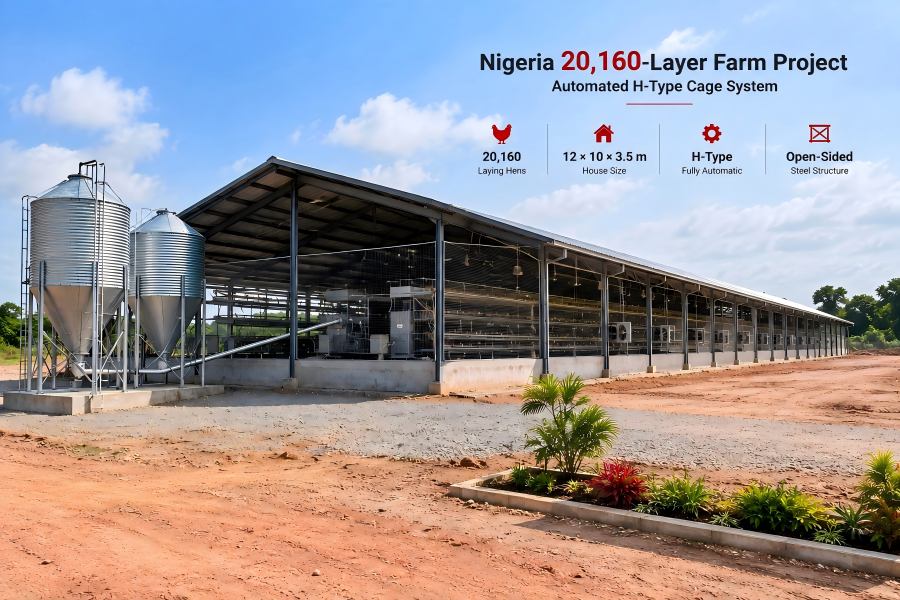
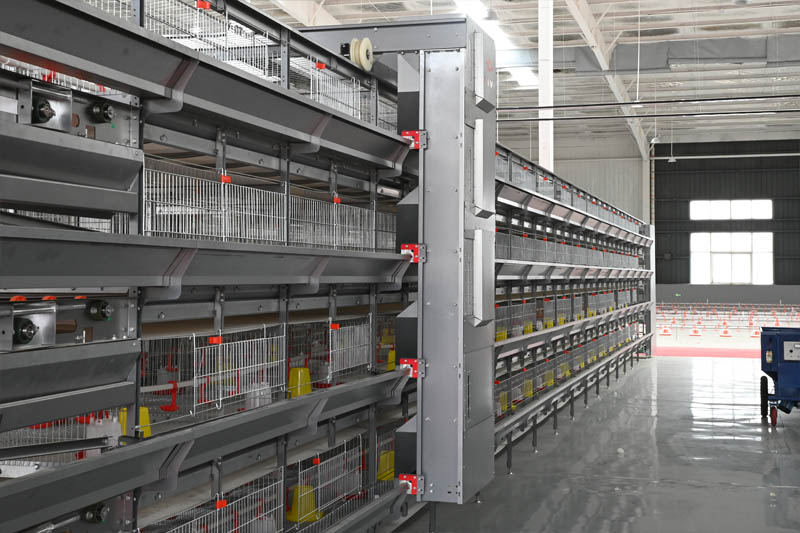
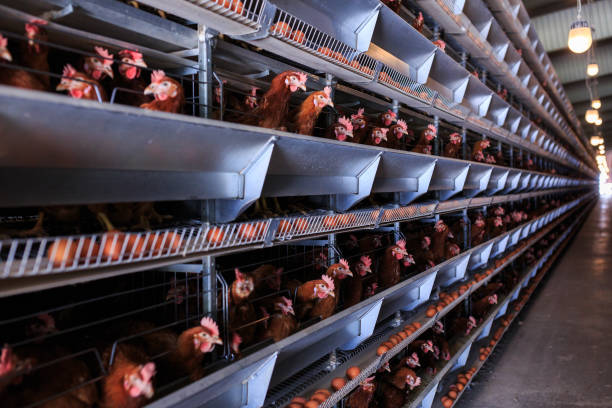
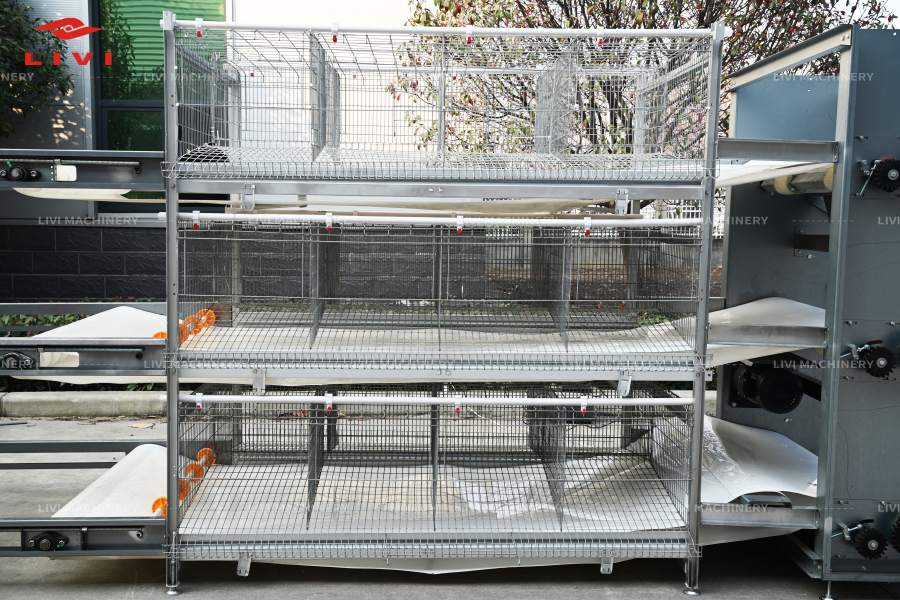
An A Type Layer Cage System is a multi-level poultry cage system designed for commercial laying hen production.
The cage structure forms an “A” shape arrangement, allowing farmers to raise multiple birds while maintaining convenient access for feeding, inspection and management.
It is widely used in:
- small and medium commercial layer farms
- family-owned egg production farms
- farms requiring practical and economical housing solutions
Why Do Farmers Choose A Type Layer Cage Systems?
1. Lower Initial Investment
For farmers starting a poultry business, controlling initial investment is important.
Compared with highly automated large-scale systems, A Type cages generally provide:
- lower equipment investment
- simpler installation
- easier operation
This makes them suitable for farmers who want to enter commercial egg production with controlled costs.
2. Suitable for Small and Medium Layer Farms
A Type cage systems are commonly selected for farms such as:
- 1,000 layer farms
- 5,000 layer farms
- 10,000 layer farms
The flexible configuration allows farmers to adjust capacity according to:
- available land
- investment budget
- production goals
3. Simple Management Structure
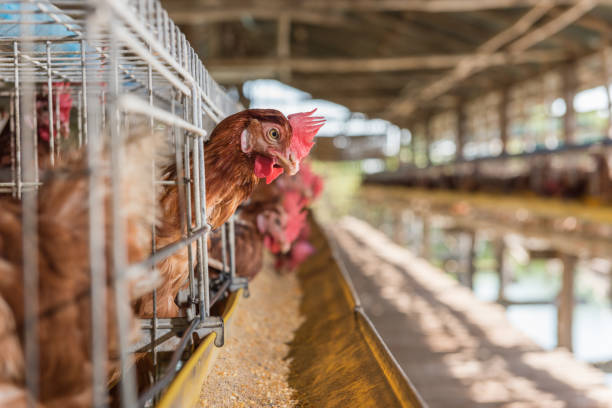
The open structure makes daily operations easier:
- bird observation
- feeding management
- egg collection
- equipment inspection
For farms without a high level of automation requirements, A Type cages provide a practical solution.
Planning a Cost-Effective Layer Farm?
Tell us your bird capacity and farm requirements.
Livi can help design a suitable A Type Layer Cage System configuration.
A Type Layer Cage System Configuration
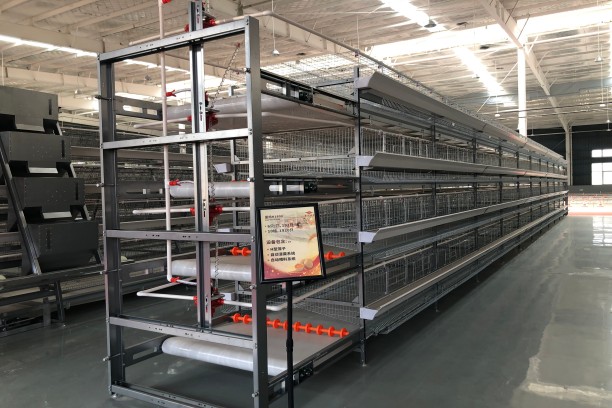
A complete A Type layer cage solution includes:
1. Cage Structure
The cage system consists of:
- galvanized steel frame
- wire mesh cage
- cage doors
- feeding trough
- drinking system
The galvanized structure helps improve:
- durability
- corrosion resistance
- service life
2. Feeding System
Farmers can select:
Manual Feeding System
Suitable for:
- small farms
- lower investment projects
Automatic Feeding System
Suitable for:
- larger farms
- farms requiring labor reduction
Benefits:
- uniform feed distribution
- reduced manual workload
- improved management efficiency
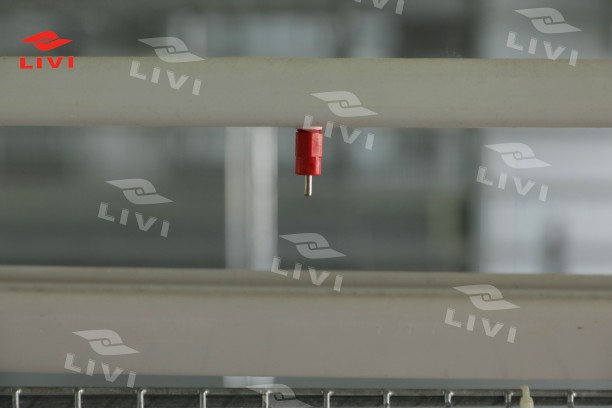
3. Drinking System
A nipple drinking system provides:
- clean water supply
- reduced contamination risk
- easier daily management
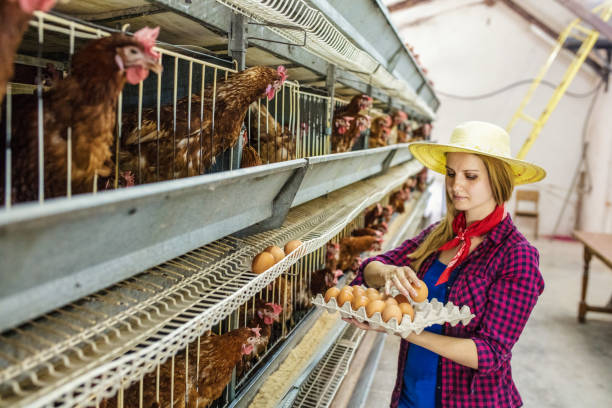
4. Egg Collection Management
Depending on farm scale:
Options include:
- manual egg collection
- semi-automatic egg collection
Large farms can consider upgraded solutions to improve efficiency.
A Type Layer Cage Capacity Planning
The required cage quantity depends on:
- number of layers
- cage model
- tier number
- farm layout
Example:
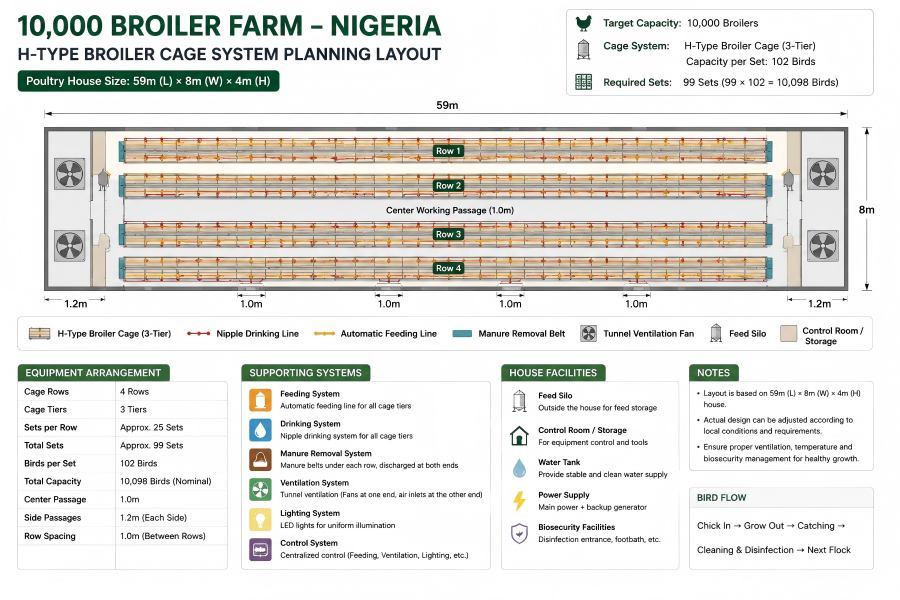
For a 10,000-layer farm, farmers need to calculate:
- Required bird capacity
- Cage quantity
- Poultry house size
- Supporting equipment
Professional farm planning helps avoid:
- insufficient capacity
- wasted space
- unnecessary investment
A Type Layer Cage System Farm Design Considerations
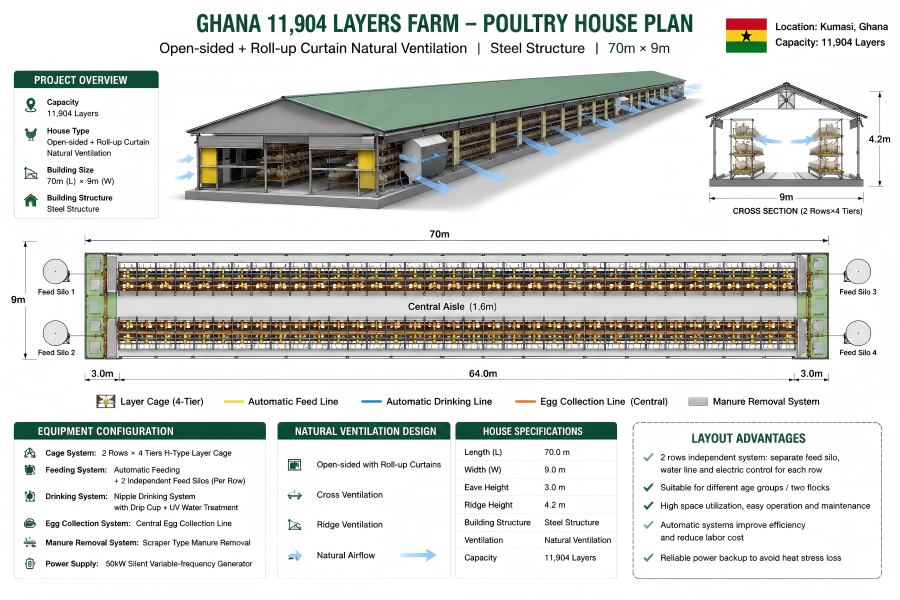
1. Poultry House Layout
A good poultry house design should consider:
- cage arrangement
- aisle width
- feeding route
- ventilation direction
2. Climate Conditions
Different regions have different challenges:
Examples:
Hot climates:
- heat stress
- ventilation requirements
Humid climates:
- moisture control
- air quality management
Therefore, cage selection should always match local conditions.
A Type Cage System vs H Type Cage System
Many commercial farmers compare these two systems.
| Factor | A Type Cage | H Type Cage |
|---|---|---|
| Investment | Lower | Higher |
| Suitable Farm Size | Small/Medium | Medium/Large |
| Automation Level | Basic/Medium | High |
| Space Utilization | Good | Higher |
| Management Efficiency | Good | Higher |
Which One Should Farmers Choose?
Choose A Type Cage if:
- starting a new poultry business
- controlling investment cost
- operating a small or medium farm
Choose H Type Cage if:
- building a large commercial farm
- requiring higher automation
- focusing on maximum efficiency
Not Sure Which Cage System Fits Your Farm?
Compare A Type and H Type solutions with Livi experts and choose the right system based on your farm goals.
Complete Equipment Solution for A Type Layer Farms
A successful egg production farm requires more than cages.
A complete solution may include:
Housing System
- A Type Layer Cage System
Feeding System
- automatic or manual feeding equipment
Drinking System
- nipple drinking system
Environmental Equipment
- ventilation fans
- cooling system
Farm Design
- cage layout planning
- equipment installation support
Common Challenges When Starting an A Type Layer Farm
Challenge 1: Limited Investment Budget
Solution:
Select suitable cage configuration and avoid unnecessary automation at the beginning.
Challenge 2: Poor Farm Layout Planning
Solution:
Design cage arrangement and equipment placement before construction.
Challenge 3: Increasing Labor Cost
Solution:
Gradually introduce automation systems based on farm development.
How Livi Supports A Type Layer Cage Projects
Livi provides complete poultry farming solutions including:
- A Type Layer Cage System
- H Type Layer Cage System
- Automatic Feeding System
- Drinking System
- Egg Collection System
- Manure Management System
- Poultry Farm Design
The solution is customized according to:
- farm capacity
- location
- climate
- investment plan
A Type Layer Cage System FAQ
What is an A Type Layer Cage System?
An A Type Layer Cage System is a commercial poultry housing system designed for laying hens, providing efficient space utilization and practical farm management.
Is A Type cage suitable for commercial egg farms?
Yes. A Type cages are commonly used in small and medium commercial egg farms because they provide a cost-effective housing solution.
What is the difference between A Type and H Type layer cages?
A Type cages usually require lower investment, while H Type cages provide higher automation capability and are more suitable for large-scale farms.
How many chickens can an A Type layer cage system hold?
Capacity depends on:
- cage model
- number of tiers
- cage dimensions
- farm design
What equipment is needed with A Type cages?
A complete farm usually includes:
manure management
feeding system
drinking system
ventilation equipment
Build Your Commercial Egg Production Farm with Livi
From cage selection to complete poultry equipment solutions, Livi supports farmers worldwide with practical layer farming systems.