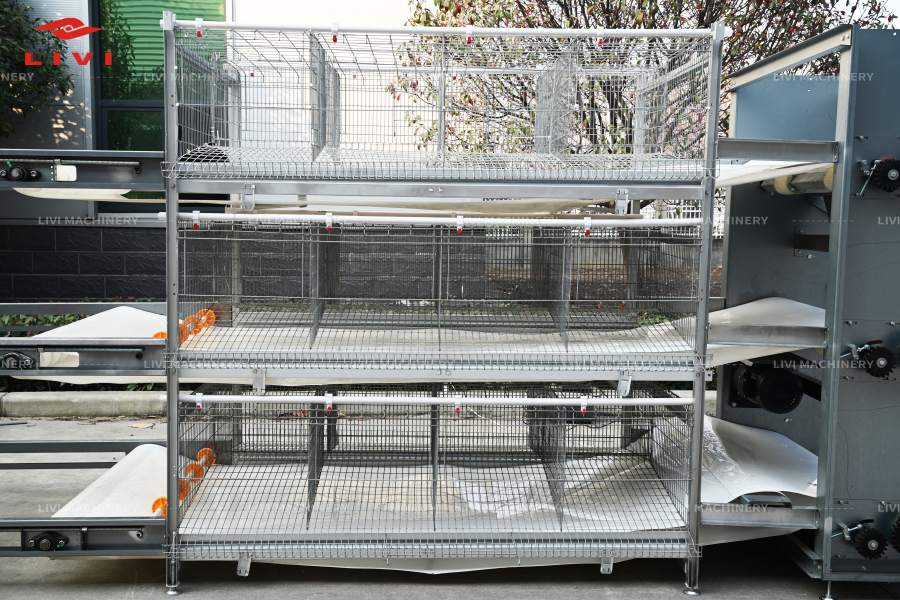




Automatic Poultry Feeding System for Layer, Pullet and Broiler Farms
Time : 2026-07-21 Author : LIVI Poultry Farming Expert
LIVI automatic poultry feeding system integrates feed silos, auger conveying, troughs, pans and automatic feeders for commercial layer, broiler and pullet farms. Get a customized feeding layout and quotation.

Quick Answer
An automatic poultry feeding system connects feed storage, conveying and distribution equipment to deliver feed from the silo to poultry troughs or pans.
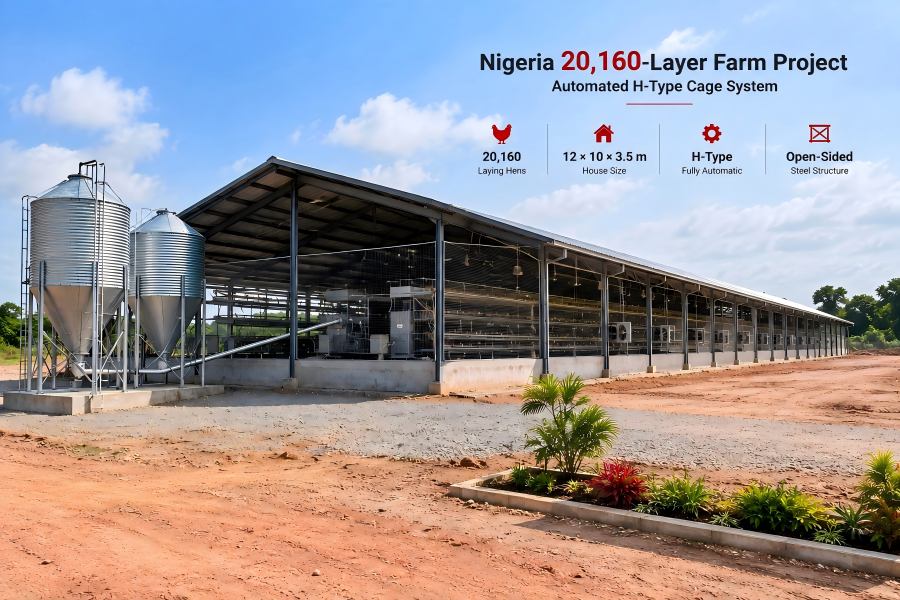
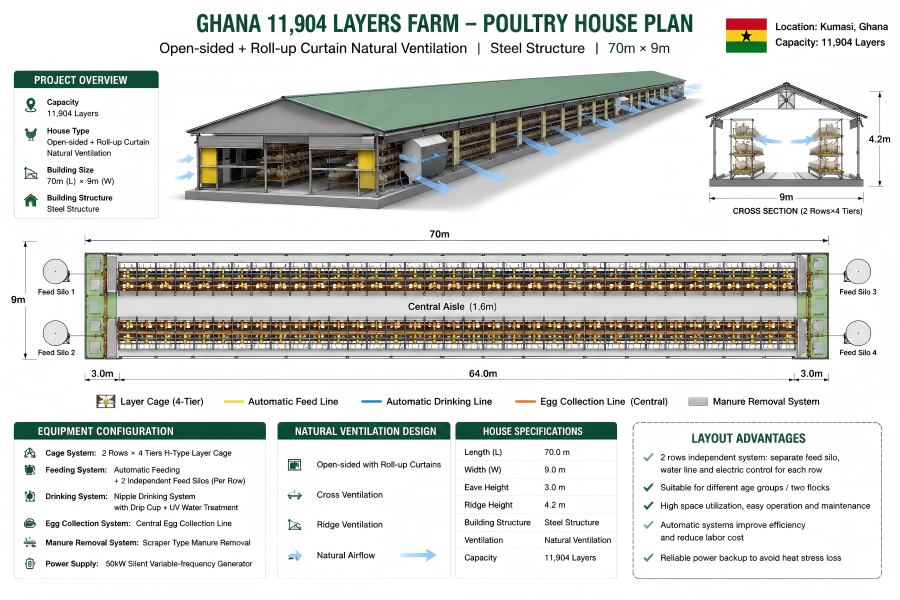
LIVI Machinery provides feeding solutions for commercial layer, pullet and broiler farms. The configuration can include feed silos, auger conveyors, automatic feeding machines, troughs, pan feeding lines, motors and controls.
Feed Storage → Conveying → Distribution → Trough / Pan → Birds
The correct system depends on bird type, capacity, house dimensions, cage or floor-rearing layout and automation requirements.
What Is Included in a Poultry Feeding System?
| System Component | Main Function | Typical Application |
|---|---|---|
| Feed Silo | Bulk feed storage | Commercial poultry farms |
| Auger Conveyor | Transfers feed to poultry house | Layer / pullet / broiler |
| Automatic Feeder | Distributes feed along cage rows | A-type / H-type cages |
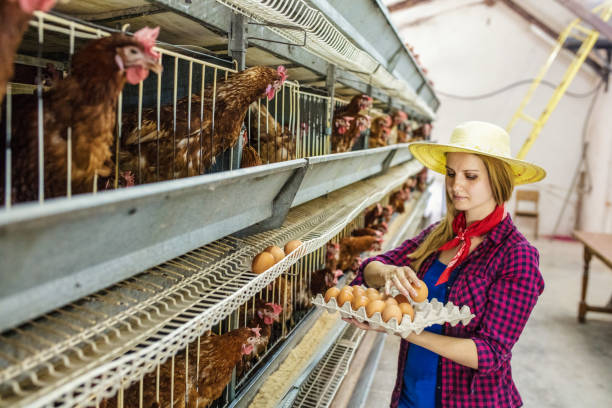
| Feed Trough | Provides cage feeding access | Layers / pullets |
| Feed Pan | Provides floor feeding points | Broilers |
| Motor & Control | Drives and controls feeding | Automatic systems |
LIVI plans these components as one feed route rather than independent machines.

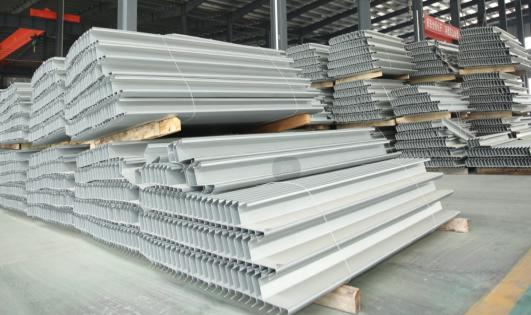
Feed Trough Options
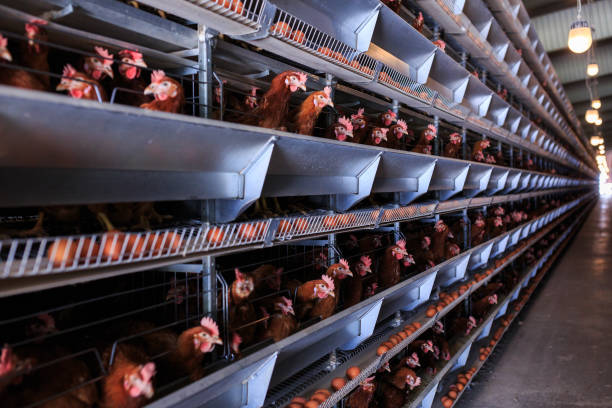
LIVI technical documentation lists galvanized sheet and PVC as trough materials. The application changes according to poultry and cage type.
| Trough Type | Material | Application | Key Feature |
|---|---|---|---|
| Large Reverse-Slope Trough | Galvanized sheet | Layers | Larger feeding opening |
| Adjustable-Board Trough | PVC / corresponding configuration | Pullets / broilers | Adjustable for different growth stages |
| H-Type Cage Trough | Galvanized sheet | H-type cages | Suitable for repeated mechanical operation |
For H-type automated cage systems, the documented configuration uses metal troughs because of the mechanical operating conditions.
Automatic Feed Pan Specifications
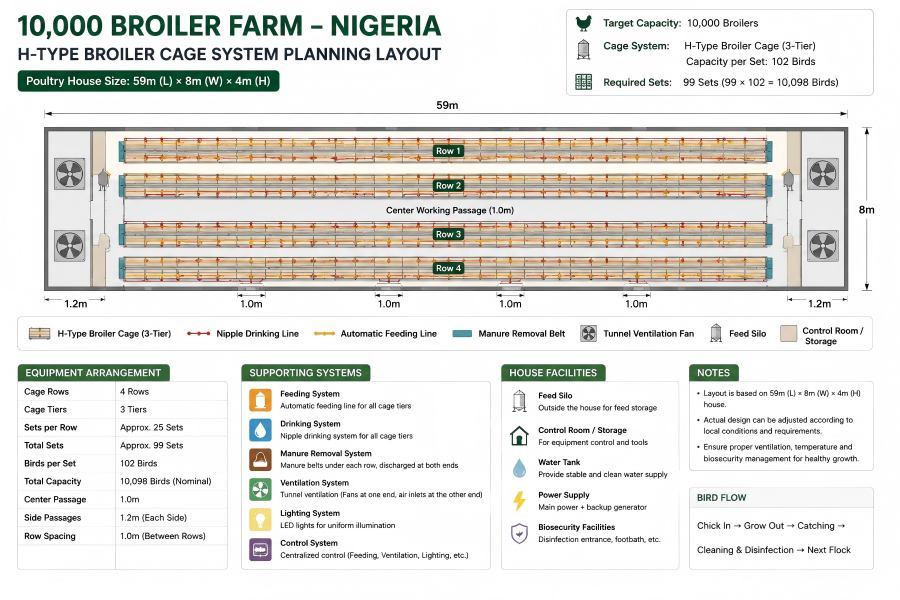
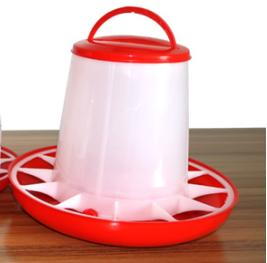
For floor-reared broilers, LIVI provides an automatic pan feeding configuration.
| Parameter | Specification |
|---|---|
| Feed Pan | 16-grid |
| Feed Adjustment | 6 positions |
| Reference Capacity | 30–40 birds/pan |
| Pan Bottom | Removable |
| Feed Output | Adjustable |
| Application | Broiler floor rearing |
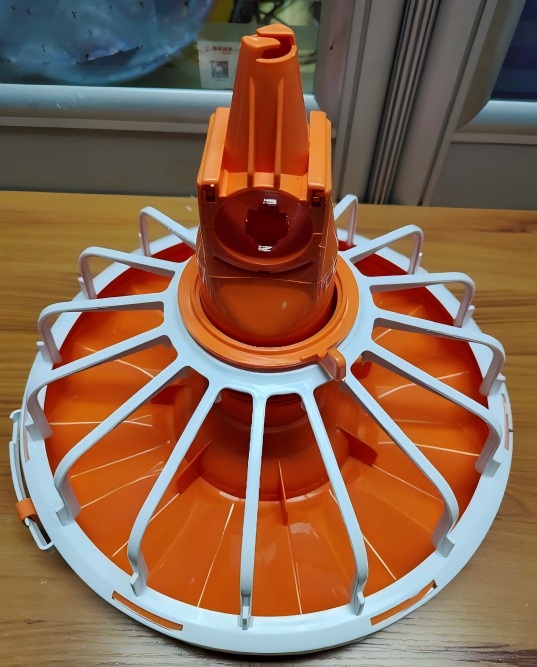
The pan bottom can be removed for chick-start feeding. The V-shaped corrugated bottom and inward-sloping edge are designed to manage feed distribution and reduce residual or spilled feed.
Final pan quantity should be calculated from bird capacity and poultry-house layout rather than the birds-per-pan reference alone.
Feed Conveying Pipe Parameters
The conveying system transfers feed from the storage or hopper to the feeding equipment.
| Parameter | Specification |
|---|---|
| Pipe Diameter | Φ45 mm |
| Material | Galvanized steel |
| Galvanized Coating | 250 g/m² |
| Wall Thickness | 1.2 mm |
| Feed Storage | 400–500 g/m |
| Conveying Capacity | 450 kg/h |
| Pipe Option 1 | 4 holes / 3 m |
| Pipe Option 2 | 3 holes / 3 m |
| Pan Installation | Fixed or swinging |
These are documented product parameters. Actual line quantity and conveying requirements depend on flock size, house dimensions and feeding layout.
Silo → Auger → Hopper → Feeding Line → Trough / Pan
Which Automatic Feeder Should You Choose?
LIVI documentation covers several automatic feeding configurations.
| Feeding System | Suitable Rearing System | Distribution Method | Key Selection Point |
|---|---|---|---|
| Gantry-Type Feeder | A-type cages | Traveling feeder across cage rows | Can support multi-row feeding |
| Traveling Feeder | A-type / H-type cages | Feeder travels along cage row | Usually configured by cage rows |
| Chain Feeding | A-type / H-type cages | Chain moves feed through trough | One feeding line per cage tier in documented configuration |
| Pan Feeding Line | Broiler floor rearing | Auger supplies multiple pans | Layout based on house and flock |
Gantry-Type Feeder
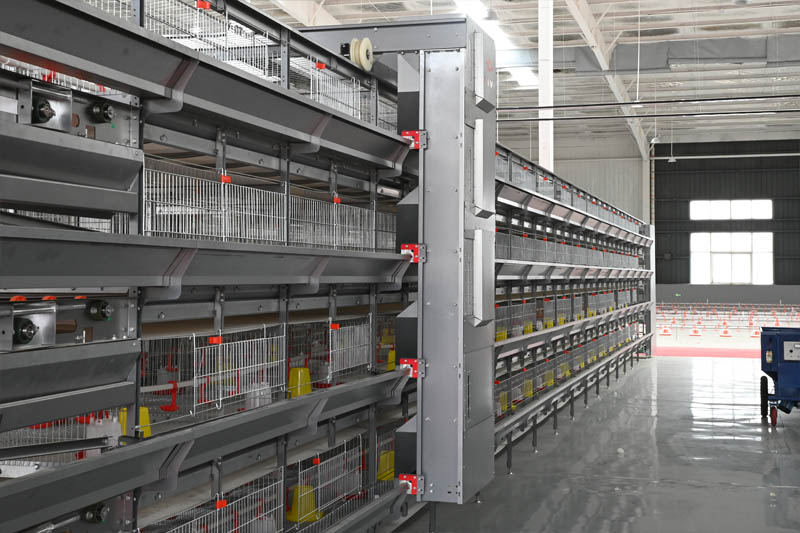
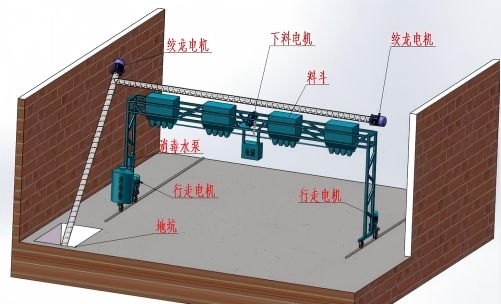
The documented gantry feeder is normally used with A-type stepped cages and can support one machine feeding multiple rows. Main components include lifting and transverse augers, hopper, control box, traveling mechanism, motors and supporting frame.
Traveling Feeder
Traveling feeders are available for both A-type and H-type cage systems. The structures are similar, while machine span and slope differ. The number of machines is normally determined by cage-row quantity.
Chain Feeding System
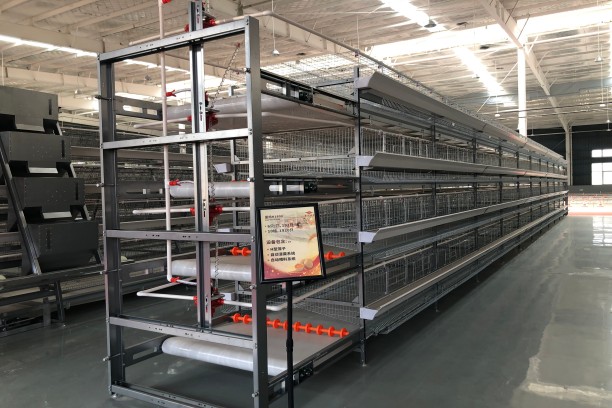
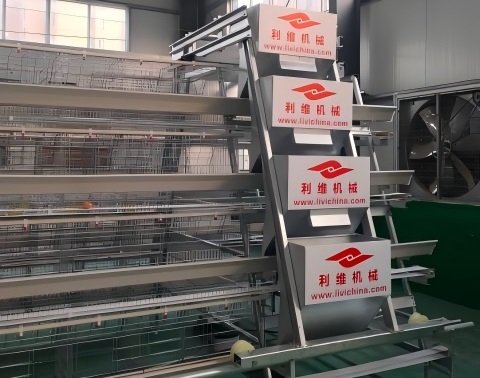
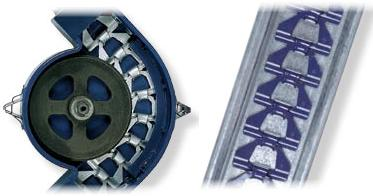
The chain feeding system uses a motor-driven chain inside the trough to distribute feed. The documented configuration requires one chain feeding line per cage tier and can be used with A-type and H-type cages.
Feed Silo Options and Capacity
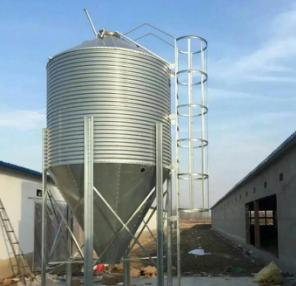
LIVI feed silos are designed for dry powder or compound pellet feed. Documented materials include galvanized steel, FRP and carbon steel, with multiple capacities from 1–20 tonnes.
Documented Silo Reference
| Galvanized Silo | FRP Silo | Documented Bird Reference |
|---|---|---|
| 1 T | 1.5 T | 2,000 layers / 3,125 broilers |
| 2 T | 2.5 T | 4,000 layers / 6,250 broilers |
| 3 T | 3.6 T | 6,000 layers / 9,375 broilers |
| 4 T | — | 8,000 layers / 12,500 broilers |
| 5.5 T | 5.5 T | 11,000 layers / 17,187 broilers |
| 8 T | 7.5 T | 16,000 layers / 25,000 broilers |
| 10 T | 10.5 T | 20,000 layers / 31,250 broilers |
| 20 T | — | 40,000 layers / 62,500 broilers |
These figures are reference values from the LIVI technical document, not universal sizing rules.
For an actual project, use:
Bird Capacity → Feed Consumption → Storage Days → Delivery Frequency → Silo Size
Layer vs Broiler Feeding System
| Comparison | Layer Farm | Broiler Floor Farm |
|---|---|---|
| Rearing Method | Cage | Floor |
| Feeding Interface | Trough | Pan |
| Distribution | Traveling / compatible cage feeder | Auger pan line |
| Layout Basis | Cage rows and tiers | House dimensions and lines |
| Feed Storage | Silo / hopper | Silo / hopper |
| Main Design Input | Cage configuration | Bird capacity + house layout |
A layer feeding system must coordinate with cage rows and tiers. A broiler feeding system must coordinate pan quantity and feeding-line distribution with usable floor space.
This difference is important when selecting poultry feeding equipment for a new commercial farm.
How to Select the Right Feeding System
Before requesting a quotation, provide these project inputs:
| Project Input | Why It Matters |
|---|---|
| Poultry Type | Determines trough, pan and feeder type |
| Bird Capacity | Determines system scale |
| Birds per House | Defines each feeding unit |
| House L × W × H | Determines line and conveying layout |
| Rearing Method | A-type, H-type or floor |
| Cage Rows / Tiers | Determines cage feeder configuration |
| Feed Storage | Determines silo and conveying requirements |
| Voltage / Phase | Determines motor and control configuration |
| Farm Country | Affects electrical and shipping requirements |
| Automation Level | Defines final equipment scope |
Engineering rule: Equipment quantity should follow the poultry-house layout—not the other way around.
Automatic Poultry Feeding System Price
There is no single standard price because the equipment scope changes from project to project.
Main Cost Factors
| Cost Factor | What Changes the Quotation? |
|---|---|
| Bird Capacity | System quantity and scale |
| House Quantity | Number of independent feed routes |
| Cage Type | A-type / H-type |
| Rearing Method | Cage / floor |
| Feeding Lines | Quantity and length |
| Feed Silo | Capacity and material |
| Conveying | Distance and configuration |
| Motors & Controls | Electrical configuration |
| Shipping | Destination country |
| Installation | Required service scope |
When comparing a poultry feeding system quotation, check whether the supplier includes:
Silo + Conveying + Feeding Machine/Line + Trough/Pan + Motors + Controls + Shipping + Installation Scope
A feeder-only price should not be directly compared with a quotation for a complete feed delivery system.
Why Choose a System-Based Poultry Equipment Manufacturer?
A poultry feeding equipment manufacturer should be able to match the feeding system with the complete farm layout.
LIVI Machinery can coordinate feeding equipment with:
- A-type or H-type cage systems
- Broiler floor rearing
- Automatic drinking
- Manure removal
- Egg collection
- Poultry-house layout
- Feed storage and conveying
For broiler projects, the feeding line can be planned together with the Broiler Pan Feeding System and Automatic Poultry Drinking System.
For layer projects, LIVI feeding equipment can be configured according to the selected cage rows and tiers.
The key question is not simply “Which feeder should I buy?”
It is:
“Which feed route fits my birds, poultry house and automation plan?”
What Is Needed for a Feeding System Quotation?
Send LIVI the following information:
- Poultry type: Layer / Broiler / Pullet / Breeder
- Bird capacity: Total birds and birds per house
- House size: Length × Width × Height
- Rearing method: A-type / H-type / Floor rearing
- Cage layout: Rows and tiers, if available
- Feed storage: Existing silo or new silo required
- Farm location: Country and project site
- Electricity: Voltage / Frequency / Phase
- Automation requirement: Feeding only or complete farm system
These inputs allow LIVI Machinery to prepare the feeding layout, equipment scope and quotation based on the actual project.
FAQ About Poultry Feeding Equipment
1. What equipment is included in an automatic feeding system?
Depending on the project, the system can include a feed silo, auger conveyor, hopper, automatic feeder, feeding line, troughs or pans, motors and controls.
2. Which feeding system is suitable for H-type layer cages?
Traveling feeding machines can be configured according to H-type cage rows and tiers. The documented H-type configuration also uses metal feed troughs.
3. What feeding equipment is used for floor-reared broilers?
Automatic pan feeding lines are commonly used, with an auger conveying feed to pans distributed throughout the house.
4. How many birds can use one feed pan?
The LIVI technical document gives 30–40 birds/pan as a reference for the documented 16-grid feed pan. Final quantity depends on the actual project.
5. What feed silo size should I choose?
Use bird capacity, feed consumption, required storage days and delivery frequency. The documented LIVI silo range is 1–20 T.
6. Can one feeding machine serve several cage rows?
The documented A-type gantry feeder can support multi-row feeding. Traveling feeders are normally configured according to cage-row quantity.
7. How do I get an accurate quotation?
Provide bird type, capacity, house dimensions, rearing system, farm location, electricity and required automation level.
Plan the Complete Feed Route
The right commercial feeding system connects every stage:
Feed Storage → Conveying → Distribution → Trough / Pan → Birds
For cage farms, equipment must match the rows, tiers and troughs.
For broiler floor farms, it must match the house dimensions, feeding lines and pans.
LIVI uses the project capacity, poultry-house layout, rearing method, feed-storage requirements and electrical conditions to determine the appropriate system before preparing the final quotation.