



Quick Answer: What Should a 30,000-Layer A-Type Cage System Cost Plan Include in Nigeria?
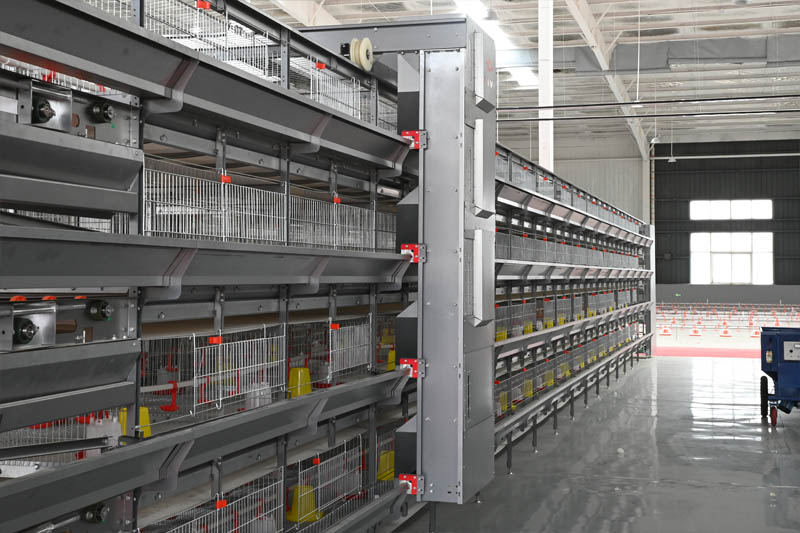
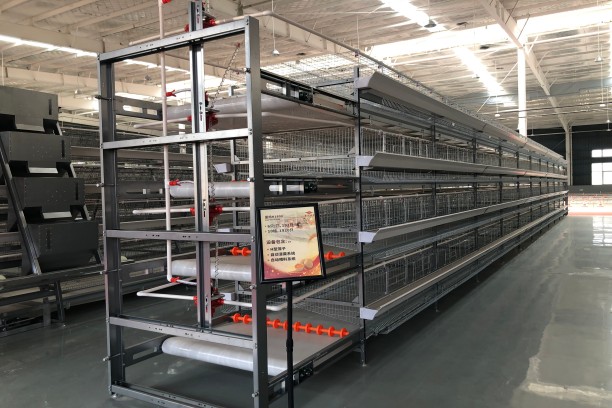
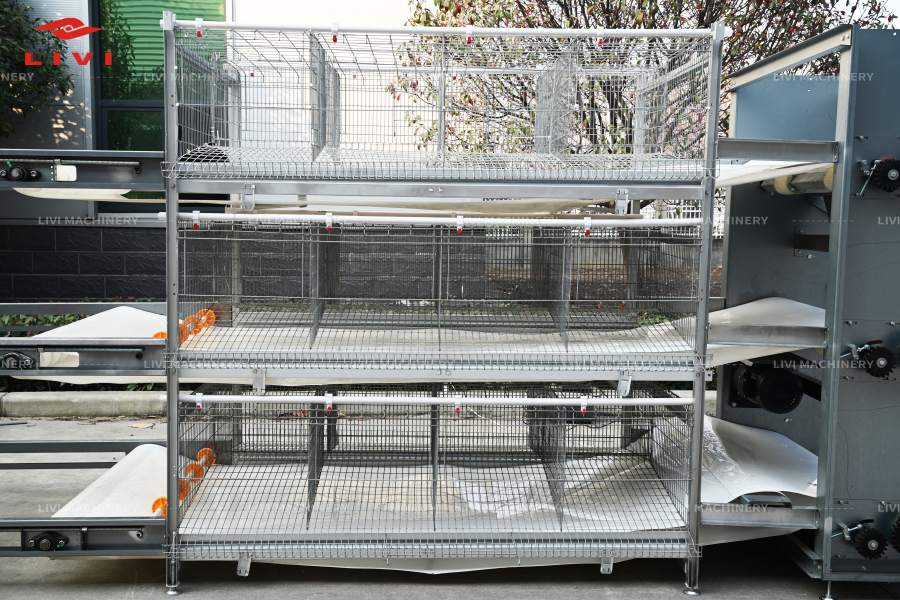
A 30,000-layer A-type layer cage system cost in Nigeria cannot be calculated from a cage price alone. The budget must separate cage system cost from poultry house construction, feeding and drinking equipment, environment control, power backup, freight, installation, working capital, and operating expenses. The supplied A-type layer cage reference supports 5,000–30,000 chickens, uses Q235 steel with hot-dip galvanizing, and has a stated service life of 15–20 years, but exact cage quantity must be confirmed from the house layout and automation level. Before finalizing a budget, buyers should confirm land and house dimensions, power and water conditions, preferred delivery basis FOB or CIF, installation boundary, and A-type versus H-Type selection. The Layer Cage System selection affects the farm layout, so it should be part of pre-quote review rather than an isolated price check.
Plan Your 30,000-Layer A-Type Cage Project Before Budget Finalization
Send your target capacity, poultry house or land dimensions, power and water conditions, and required automation level for a structured equipment scope review in Nigeria.
Why Pre-Site Feasibility Screening Should Come Before an A-Type Cage Quotation in Nigeria
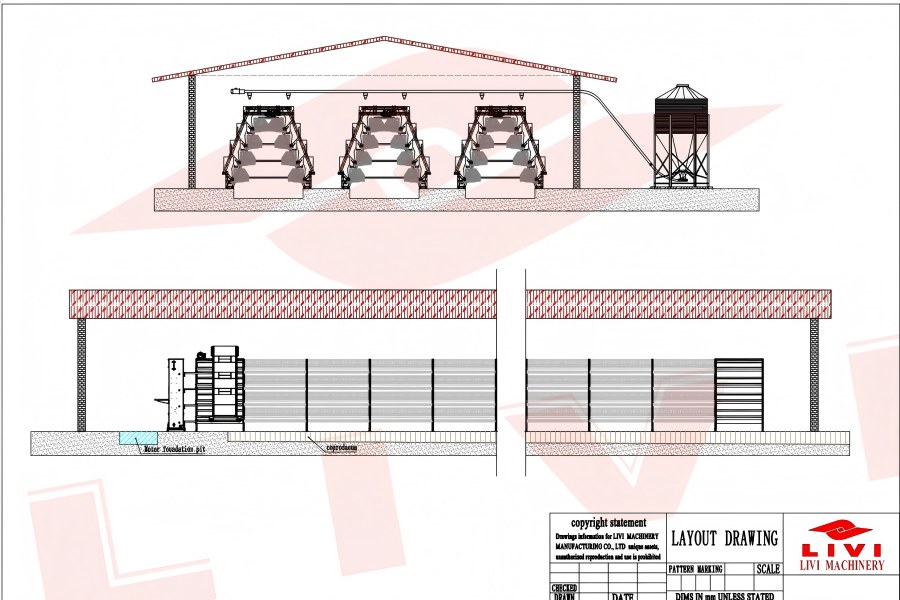
A 30,000-layer project is not a single cage purchase; the poultry house, equipment rows, aisle space, feed routes, water system, ventilation, power, and labor all affect the cost plan. The A-type layer cage system can be selected for farms within 5,000–30,000 birds, but final layout depends on available house width and length, row arrangement, and automation requirements. Comparing supplier quotations without a shared scope can hide missing freight, installation, spare parts, and site preparation costs. As commercial production moves to larger operations, increased mechanization and automation makes equipment integration part of feasibility review. Buyers who skip this step often compare cage prices that later prove to be only a fraction of total CAPEX. A structured screening should treat the cage quotation as one line in a much larger investment plan.
A-Type Layer Cage System Reference and Quotation Confirmation Table
The table below separates supplied product reference facts from site-specific details that must be confirmed before budgeting.
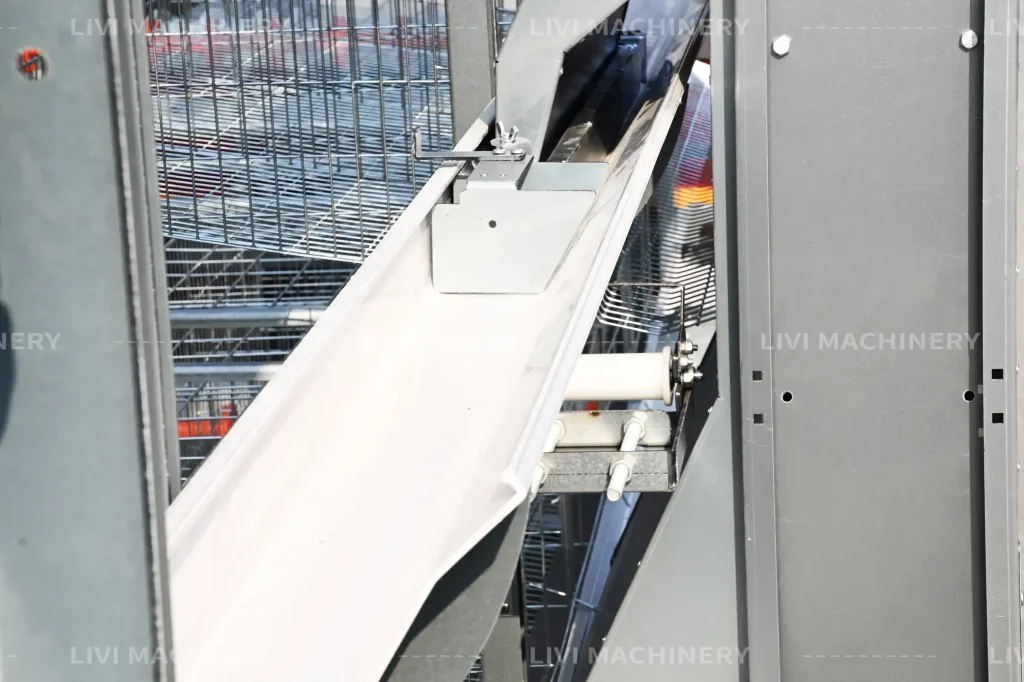
| Planning Item | Supplied Reference | To Confirm Before Budgeting |
|---|---|---|
| Capacity | 5,000–30,000 chickens | Exact cage quantity for 30,000 layers from house layout |
| Material | Q235 steel; hot-dip galvanizing | No additional material or coating changes unless specified |
| Service life | 15–20 years | Maintenance and environment influence actual lifespan |
| Structure | A-type layered structure | Tier count and door/cell configuration |
| Integrated features | Intelligent feeding and cleaning system | Automatic drinking, manure removal, egg collection, and environmental control |
| Quotation basis | FOB or CIF | Freight, customs, inland transport, unloading, installation, and spare parts |
| Price | Not published | Request project-specific technical and commercial proposal |
The A Type Layer Cage System reference is a starting point, not a final Nigerian landed-cost quotation. It shows the product envelope, but the commercial proposal must be built around a defined project scope.
Freight, Delivery Basis, and Site Readiness for a Nigerian A-Type Cage Project
Livi's supplied quotation methods include FOB and CIF, but the buyer still needs to confirm customs clearance, inland transport, offloading, and storage in Nigeria. Power reliability and backup generation are part of the investment; an automated A-type layer cage system needs a stable supply or generator support. Water quality and ventilation conditions should be evaluated with the cage layout because they influence both equipment configuration and operating cost. Site screening should also consider biosecurity: establishments should be located or designed to avoid or minimise disease risks. Buyers who confirm these conditions early can ask each supplier for a comparable delivery and installation boundary, which helps prevent budget surprises during site execution.
Reference Project Evidence: How Livi Converted a Similar Layer Cage Requirement into an Executable Layout
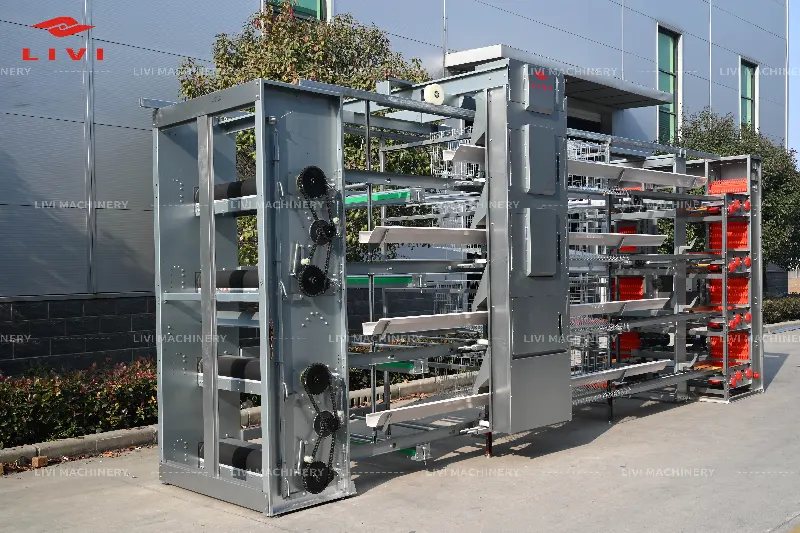
In a supplied Livi project in Senegal, the customer initially planned about 15,000 layers in two 12 m × 40 m houses, and Livi developed a combined A-type + D-type layout. The final configuration used 72 sets of A-type cages, 72 sets of D-type cages, 4 automatic feeding machines, and 2 manual feeding machines, reaching a designed capacity of 17,280 layers. This example illustrates how house dimensions and equipment layout determine final cage quantity, but the Nigerian 30,000-layer A-type cage cost must still be calculated from local project data. For a 30,000-layer Nigerian project, the A Type Layer Chicken Cage configuration would need to be verified against the actual poultry house footprint rather than copied from another market. The Senegal case is useful because it shows that cage type and quantity are layout decisions, not just price decisions.
Get a Comparable A-Type Layer Cage System Quotation Checklist
Share your preferred FOB or CIF basis, installation boundary, and site constraints so Livi Machinery can help you compare bids without hidden gaps.
How Automation Level Changes the 30,000-Layer Cost Review
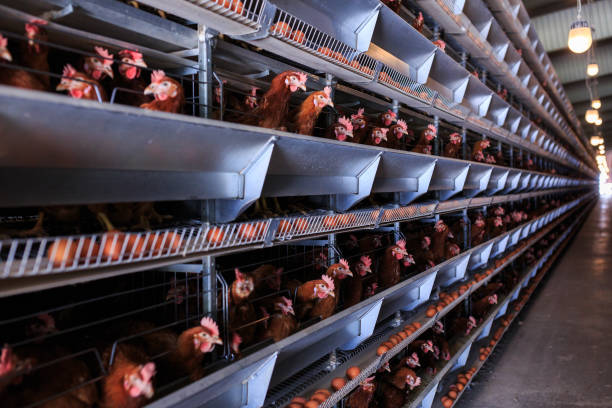
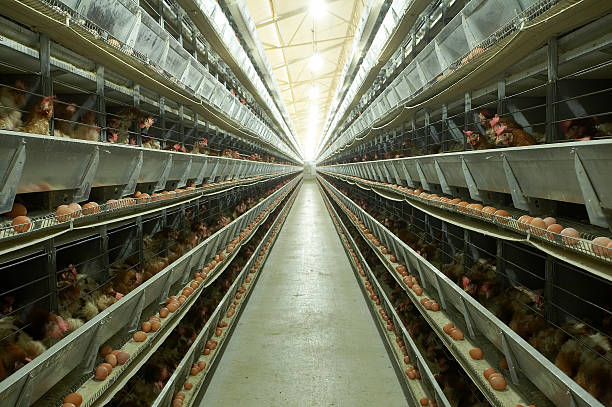
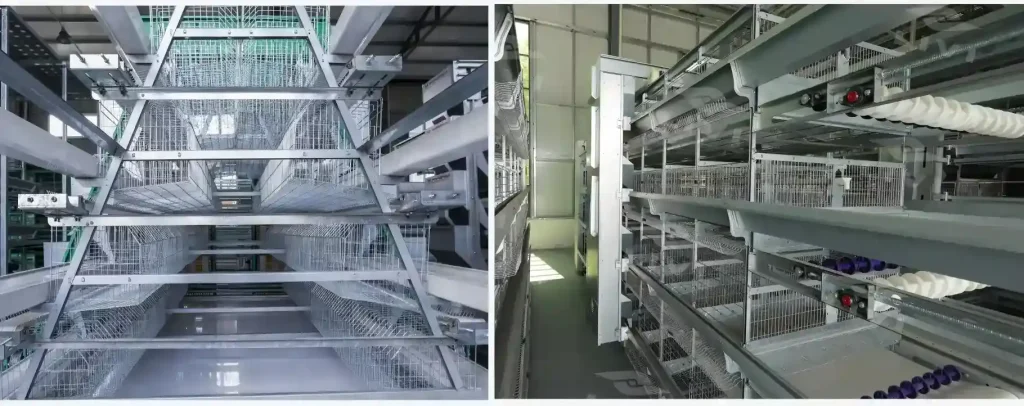
For a 30,000-layer house, automation is not an all-or-nothing choice. Livi Machinery supplies cage systems, automatic feeding, automatic drinking, automatic manure removal, automatic egg collection, automatic ventilation, and automatic environmental control equipment. The supplied A-type layer cage reference includes integrated intelligent feeding and cleaning features, but buyers still need to confirm which supporting systems are quoted. A semi-automatic feeding route may be appropriate when labor is available, while a fully automatic route reduces repetitive work and supports more consistent daily operations. The selected automation level affects equipment cost, power load, generator support, staff training, and long-term maintenance. Buyers should compare the same automation scope across quotations: one supplier may quote only cages, while another includes feeding, drinking, manure removal, and climate control. That difference can change the apparent equipment cost more than the cage price itself.
Why the Poultry House and the A-Type Cage System Must Be Planned as One Interface
A 30,000-layer project should not be planned by selecting cages first and then placing them inside a house whose dimensions are already fixed without checking compatibility. Poultry equipment requires reserved positions for structures, power supply, feeding systems, water lines, manure discharge, and egg collection. Livi Machinery supports chicken house layout planning, cage row arrangement, ventilation and cooling configuration, manure removal, feeding, and egg collection as one system. Buyers who share existing house drawings or land dimensions early can avoid construction rework. If the house is already built or under construction, internal width and length become fixed inputs for row count and aisle clearance. This is not only a construction matter: a house that cannot provide stable airflow, clean water, and adequate generator support will increase operating cost later. Pre-site feasibility screening should verify that the poultry house and equipment interfaces are compatible before budget finalization.
Installation, Commissioning, and After-Sales Scope for a 30,000-Layer Cage Project
A realistic Nigerian cost plan should also define what happens after the equipment reaches the site. Livi Machinery can provide installation drawings, operating instructions, video guidance, and remote technical support; for larger projects, engineer support can be arranged. Installation training is available through online remote guidance and on-site engineer support, and the company states a 48-hour after-sales response time. Standard design lead time is 5–7 working days for standard schemes and 10–15 working days for whole-house customization. Production lead time is 15–25 days for standard equipment and 30–45 days for whole-house customization. These lead-time ranges help buyers schedule site readiness and avoid equipment arriving before the poultry house or utilities are ready. For a Nigerian project, packaging and loading coordination should be confirmed in the same commercial timeline.
Minimum Data Checklist Before Requesting a Nigerian A-Type Cage Quotation
Confirm these items before comparing equipment prices:
- Target flock of 30,000 layers and expected production cycle
- Land dimensions, planned house length and width, and whether houses are existing or new
- A-type or H-Type selection based on layout, automation level, labor availability, and budget
- Power supply stability, water source and quality, local climate, biosecurity, and generator backup requirements
- Preferred delivery basis FOB or CIF
- Request a cage layout and complete equipment configuration from Livi Machinery using the same quotation scope
- Compare quotations only after aligning delivery, installation boundary, included automation, and spare parts
- Finalize CAPEX and OPEX budgets after technical configuration and site-specific logistics are confirmed
This checklist helps reduce the risk of comparing bids that look similar in total but differ significantly in scope. Once complete, the next step is a technical layout proposal rather than another unstructured price request.
FAQ
How much does a 30,000-layer A-type layer cage system cost in Nigeria?
A verified total cost cannot be stated from the supplied product reference alone. The budget must separate cage system cost from poultry house construction, feeding and drinking equipment, ventilation, power backup, freight, installation, working capital, and operating expenses. The supplied A-type layer cage reference supports 5,000–30,000 chickens, but the cage quantity and landed cost for a 30,000-layer Nigerian project must be confirmed from layout and delivery terms.
Does a cage quotation include shipping, installation, and spare parts?
Not automatically. Livi's quotation methods include FOB and CIF, but buyers still need to confirm what each supplier includes. For a comparable quote, verify whether freight, customs, inland transport, installation, commissioning, and spare parts are part of the total. Ask for a written quotation scope and technical configuration before budget finalization.
How many A-type cage sets are needed for 30,000 layers?
The exact number of A-type cage sets cannot be determined from flock size alone. It depends on the cage model, tiers, doors, birds per unit, house width and length, aisle space, and target stocking density. Request a layout calculation using the supplied A-type layer cage reference and actual poultry house dimensions.
What site data should be confirmed before finalizing the Nigeria budget?
Provide land area, poultry house dimensions, whether houses are existing or new, and target capacity. Confirm power supply stability, water source and quality, local climate, biosecurity requirements, and automation level. Confirm preferred delivery basis FOB or CIF and who handles customs clearance, inland transport, installation, and spare parts.
Is A-type or H-type more economical for 30,000 layers in Nigeria?
A-type and H-type selection should be based on house layout, available space, automation level, labor, and budget, not on general assumptions. The supplied product reference is for an A-type layer cage system supporting 5,000–30,000 birds; H-Type would require a separate technical comparison. For 30,000 layers, evaluate both options against actual house dimensions and workflow before choosing on price.
What makes an A-type cage quotation comparable?
A quotation is comparable only when the flock, cage model, automation, delivery term, installation scope, and excluded costs are the same. Red flags include missing definitions for delivery, installation, spare parts, site preparation, and power supply. Request a line-item clarification instead of relying on a single total price.
Plan Your 30,000-Layer A-Type Cage Project
TAGs: A type layer cage system Nigeria, 30000 layer cage cost Nigeria, A type layer cage system, poultry house layout for 30000 layers, A type vs H type layer cage, automatic A type layer cage system