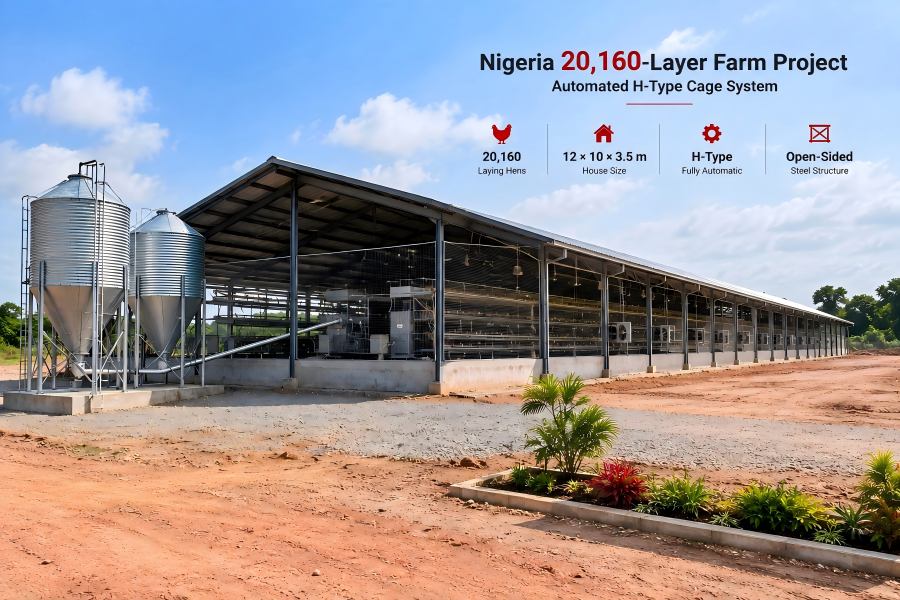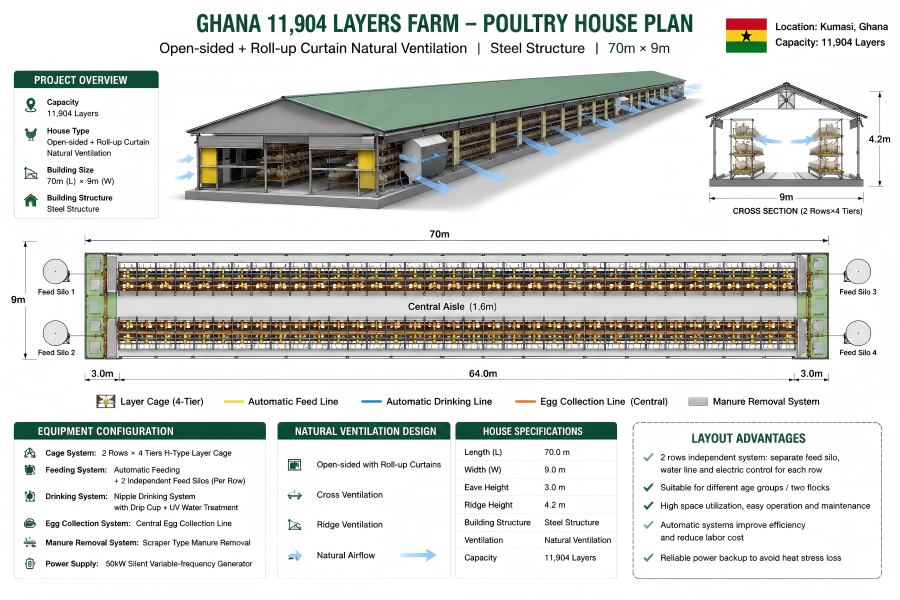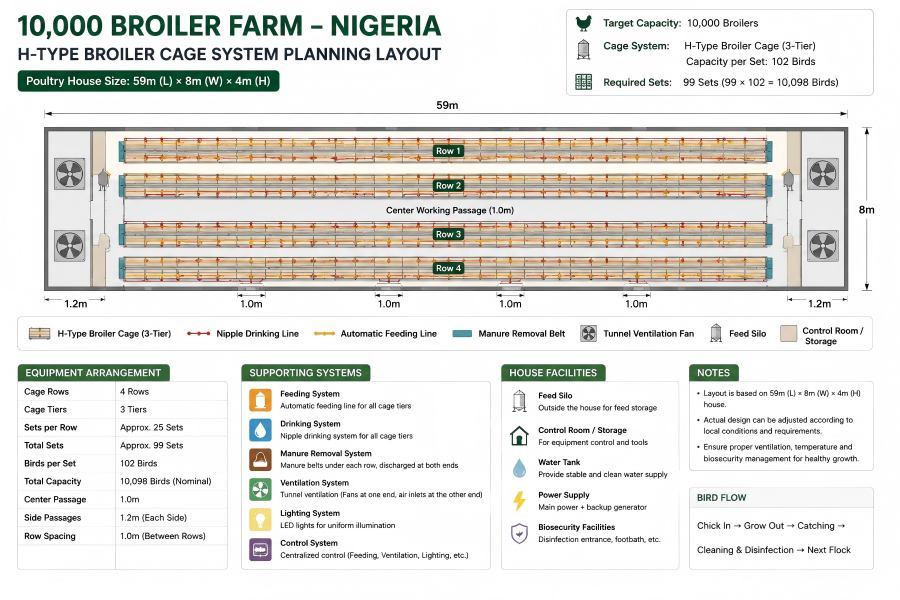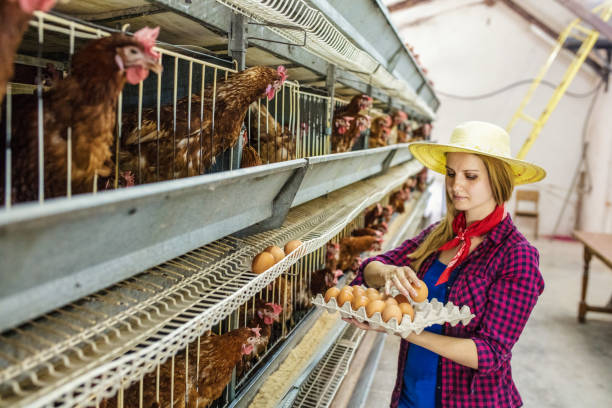




Quick Answer: Is an H-Type Broiler Cage System Suitable for a 10,000-Bird Kenya Project?
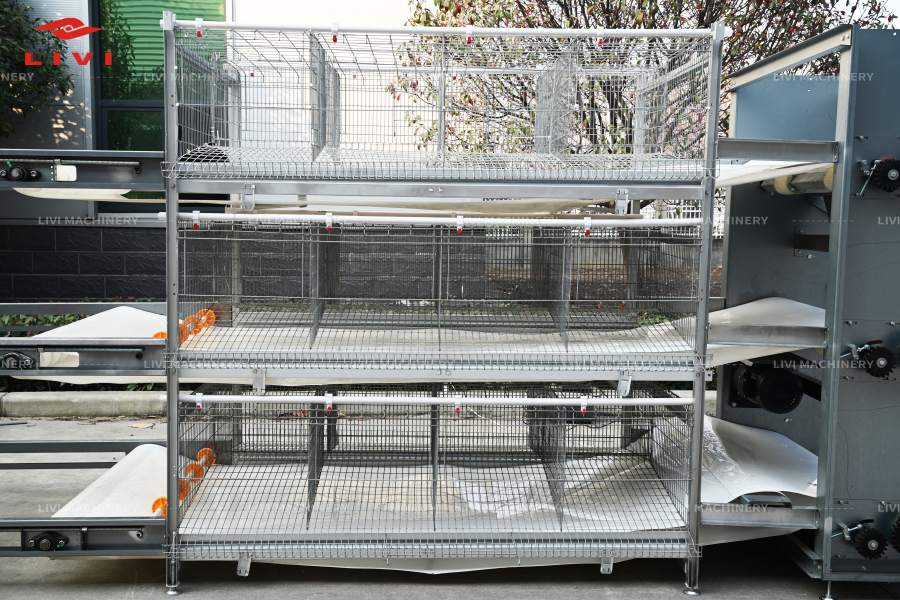
An H-Type Broiler Cage system can be relevant for a 10,000-bird commercial broiler project when the poultry house, utilities, ventilation approach, labor plan, and manure route are designed as one operating system. The documented LIVI model H105-80 is for broilers and is recommended for projects above 10,000 birds. A Kenya-specific layout, capacity calculation, and final system scope still require technical confirmation.
Plan Your Kenya Broiler Farm LayoutShare your 10,000-bird target, site or house dimensions, water and power conditions, and automation priorities for a fact-based H-Type Broiler Cage layout review.Request a Layout Review
A 10,000-bird target is not, by itself, a farm design. Before selecting equipment, an investor needs to decide whether the intended market route, site, operating team, water, power, biosecurity workflow, and manure-handling approach can support intensive broiler production. This is a project-direction decision before it becomes an equipment purchase.
Project Solution at a Glance
| Planning Item | Documented Reference or Required Verification | Decision Relevance |
|---|---|---|
| Product model | LIVI H105-80 | Confirms the product reference under review. |
| Poultry application | Broilers | The system is documented for broiler rearing. |
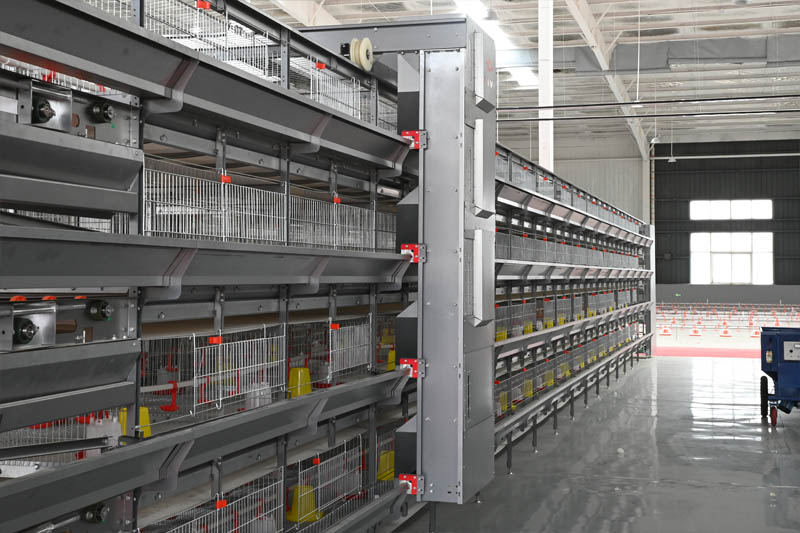
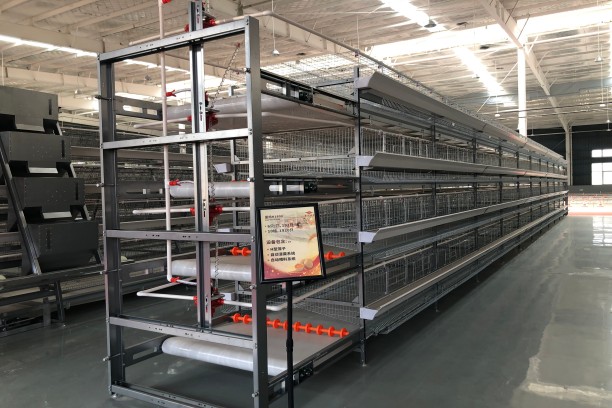
| Structure | H-Type Broiler Cage, 3–4 tiers | Supports multi-tier housing; final arrangement must be confirmed. |
| Reference capacity | 102–136 broilers per set | Final capacity calculation is to be confirmed in final technical documents. |
| Material and treatment | Q235 steel and hot-dip galvanizing | Relevant to equipment selection and corrosion-protection review. |
| Documented automation | Trolley-feeder Automatic Feeding, Automatic Drinking, flat-belt manure removal with transverse and inclined removal | These systems must be coordinated with the approved house layout. |
| Configurable options | Feed silo, lighting, alarm system, ventilation-temperature equipment | Optional items require project-specific selection. |
| Kenya project inputs | House dimensions, layout, water, power, backup power, ventilation, manure destination, delivery and installation scope | To be confirmed in final technical documents. |
The product description gives a 15–20-year service-life reference. It should be assessed as a product reference, not as a Kenya-specific warranty or a guaranteed operating outcome. Installation quality, maintenance, operating conditions, and the local environment affect actual lifecycle performance.
What Must Be Decided Before Selecting an H-Type Broiler Cage System in Kenya?
Start with the commercial model. Confirm the planned broiler sales route, batch schedule, working-capital assumptions, responsible operating team, and permissions required for the selected site. Equipment can organize production tasks, but it cannot establish demand, secure a buyer, or resolve weak operational management.
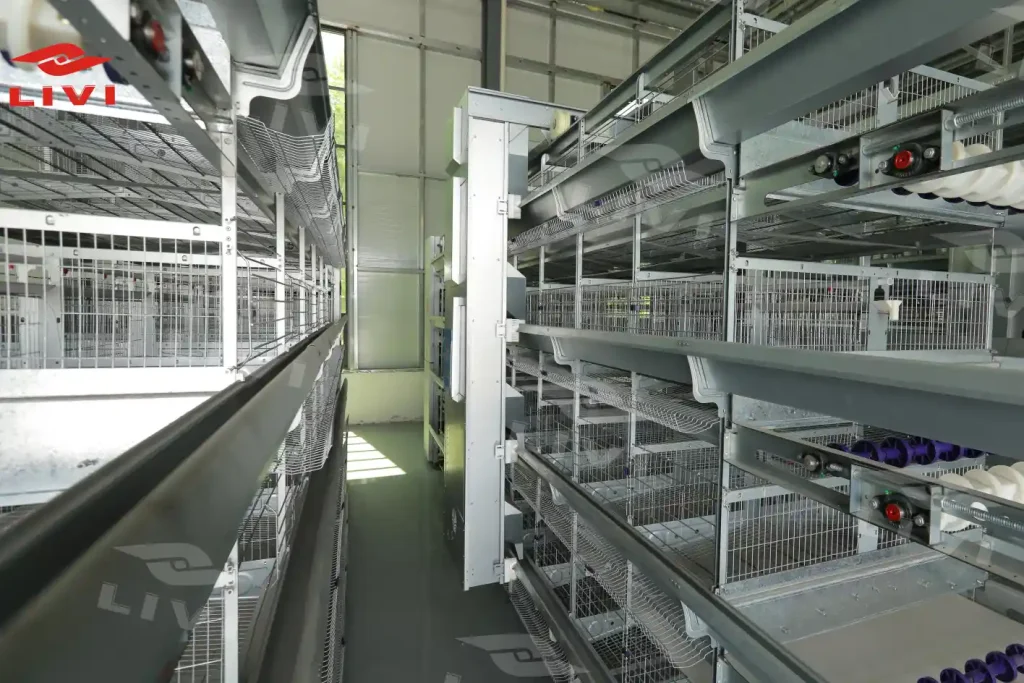
Next, assess the site as a production platform. The review should cover vehicle access, unloading space, available land, drainage, feed-storage area, staff access, water source, water-treatment needs, electrical supply, backup-power strategy, manure-handling area, and separation between clean and potentially contaminated movement routes. These conditions affect whether a multi-tier system can be installed and operated in an orderly manner.
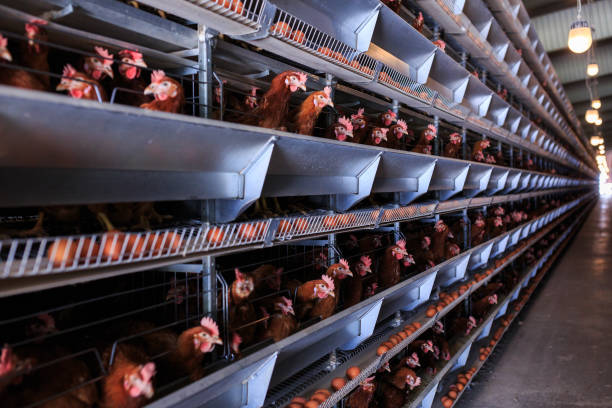
A H Type Broiler Cage System should therefore be compared with floor rearing as a conditional choice rather than a universal ranking. Multi-tier cage rearing can organize feeding, drinking, and manure removal around cage rows while using vertical space. It also requires an integrated poultry house, reliable utility interfaces, safe service access, and a clear daily management routine. Floor rearing uses a different housing, litter, labor, and waste-management workflow.
FAO notes that commercial poultry production increasingly uses mechanization and automation as farms progress in scale, while management must continue to address birds’ physical environment, clean water, feed quality, and disease exposure commercial materials and equipment. This is why a system decision should begin with operating conditions rather than a cage count alone.
Labor and workflow should be designed before automation is ordered
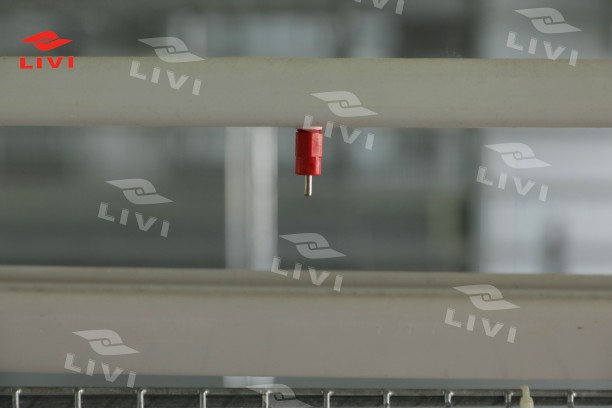
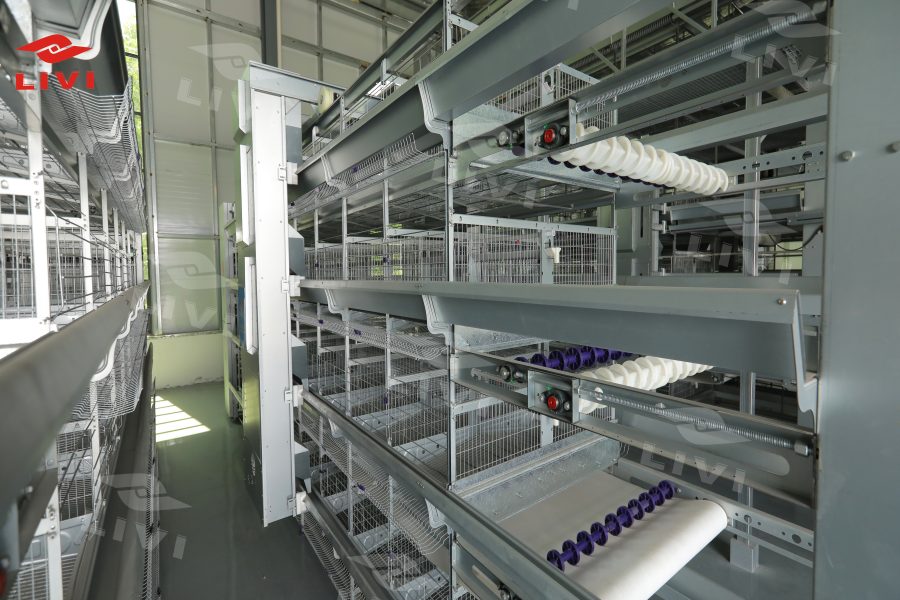
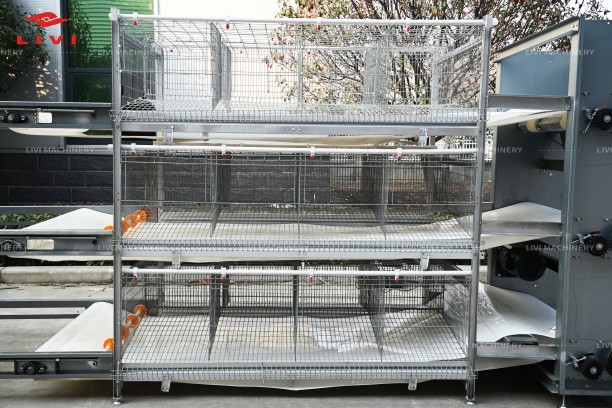
For the documented LIVI configuration, Automatic Feeding uses a trolley feeder. Automatic Drinking and a Manure Removal System using flat belts with transverse and inclined removal are also documented. These functions can reduce the number of separate daily handling tasks, but each still requires assigned operators for inspection, cleaning, monitoring, and corrective action.
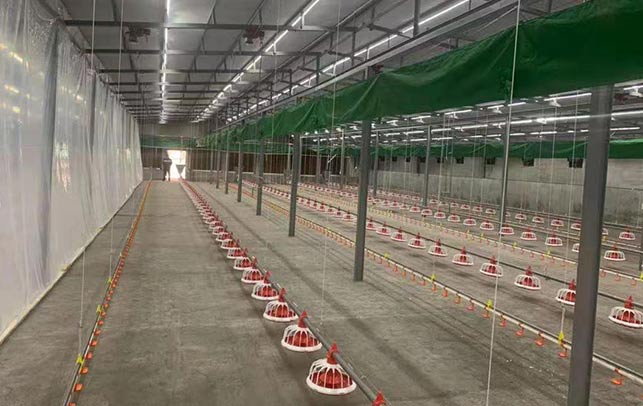
An Automatic Broiler Cage System should be treated as a coordinated workflow: feed movement, drinking-line checks, manure discharge, equipment inspection, records, cleaning, and safe access must fit the farm’s staffing plan. Define who checks each function, when faults are escalated, how water lines are maintained, and how manure is moved from the house to its planned destination.
Ventilation is also a design decision, not an add-on. Ventilation-temperature equipment is listed as configurable, but no Kenya-specific fan capacity, cooling design, electrical load, or climate calculation has been supplied. The Ventilation System and any Climate Control System must be designed from the actual house, local exposure, utility conditions, and production plan. FAO guidance on broiler housing emphasizes managing a stable environment and notes the role of automatic drinkers in large flocks managing the environment.
Keep expansion separate from the initial decision
A future expansion plan can be useful, but it should not force an oversized first-phase design. First determine whether the 10,000-bird operation has a workable market route, trained operating structure, site circulation, utility approach, and manure plan. If staged growth remains appropriate, reserve land, traffic routes, and utility interfaces for a later review.
Check Broiler Automation Before Project CommitmentDiscuss feeding, drinking, manure removal, ventilation, delivery boundaries, installation support, and lifecycle responsibilities before selecting equipment for your Kenya broiler project.Discuss System Requirements
A Kenya 10,000-Bird Planning Scenario: What Is Confirmed and What Still Needs Review?
Consider a Kenya investor evaluating a 10,000-bird broiler operation to organize feeding, drinking, manure removal, and labor routines. The confirmed product reference is a LIVI H-Type Broiler Cage for broilers with a documented 3–4-tier structure, reference capacity of 102–136 broilers per set, and recommended farm scale above 10,000 birds.
The central question is not whether the product can be named for the target flock. The question is whether the farm can operate the selected system consistently. Site and house dimensions, weather exposure, ventilation basis, water reliability, electrical supply, backup-power arrangement, manure destination, sales route, staffing, and final equipment quantities all remain subject to final technical documents.
No named Kenya customer, completed Kenya broiler project, house size, final layout, installation status, production result, or financial outcome is available for this planning guide. The project should move forward only when the business and site conditions support the selected equipment configuration.
How Should Delivery, Site Readiness, and Lifecycle Risk Be Managed?
Define the supply boundary in writing before placing an order. This should identify the equipment list, optional systems, quotation basis, packing documents, unloading responsibilities, protected storage, local transport boundary, installation responsibilities, and commissioning sequence. LIVI lists FOB and CIF quotation methods for this product. The applicable port, route, insurance scope, import requirements, inland delivery, and final cost need individual project confirmation.
Site readiness should be completed before equipment arrival. Verify building and foundation readiness, internal access, unloading space, dry protected storage, water connection points, electrical interfaces, ventilation interfaces, manure discharge routing, drainage, and safe working access. These checks reduce the risk that equipment arrives before the site can receive, store, or assemble it correctly.
LIVI states that it can provide layout and equipment-configuration suggestions based on flock size, house dimensions, climate conditions, and budget. It also states that installation drawings, operating instructions, video guidance, remote technical support, and engineer assistance for larger projects may be available as required. Installation and training can be supported through remote guidance or experienced engineers on site where agreed.
Before committing, Discuss Your Poultry Project with a complete project brief rather than only a bird number. Provide the site plan or house dimensions, intended bird flow, automation priorities, water and power conditions, manure plan, delivery access, existing building status, and desired installation or training support.
Recommended implementation sequence
- Confirm the 10,000-bird objective, commercial route, site status, and operating responsibilities.
- Submit the site plan or house dimensions, water and power information, bird-flow concept, and automation priorities for layout review.
- Confirm the H-Type Broiler Cage arrangement, Automatic Feeding, Automatic Drinking, Manure Removal System, and any selected feed-silo, lighting, alarm, or ventilation-temperature option.
- Agree the quotation scope, FOB or CIF basis, packing documentation, delivery responsibilities, and site-readiness checklist.
- Complete building interfaces, drainage, unloading access, protected storage, and manure-routing preparations before delivery.
- Install according to approved drawings and instructions, using agreed remote or on-site support.
- Test feeding, drinking, manure removal, and configured controls before placing broilers; train responsible personnel on inspection, operation, and routine maintenance.
FAQ
Is an H-Type Broiler Cage system suitable for a 10,000-bird farm in Kenya?
It may be suitable when the poultry house, utilities, ventilation approach, labor plan, manure route, and biosecurity workflow are designed for a multi-tier broiler system. The documented LIVI H-Type Broiler Cage system is recommended for farms above 10,000 birds, but a Kenya-specific layout and final capacity calculation require project verification. No standard configuration is confirmed for every 10,000-bird Kenya project.
What is the difference between an H-Type Broiler Cage system and floor rearing for this project?
An H-Type system uses multi-tier cage housing and can organize feeding, drinking, and manure removal around cage rows, while floor rearing follows a different housing, litter, labor, and waste-management workflow. Neither option is universally better. The choice depends on the site, house design, utility reliability, labor organization, biosecurity plan, manure handling, and commercial objectives. No comparative Kenya cost or profitability data is supplied here.
What automation can be configured with the documented H-Type Broiler Cage system?
The documented product lists trolley-feeder Automatic Feeding, Automatic Drinking, and flat-belt manure removal with transverse and inclined removal. Feed silos, lighting, alarm systems, and ventilation-temperature equipment are listed as configurable options. Final equipment selection should follow the approved poultry house layout, utility conditions, operating workflow, and project requirements rather than being assumed from flock size alone.
How should water, power, and ventilation be checked before choosing a broiler cage system?
Verify the available water source, water-system requirements, electrical supply, backup-power approach, control interfaces, and ventilation design before approving the layout. Ventilation-temperature equipment can be configured, but no fan capacity, cooling design, electrical load, or Kenya climate calculation is supplied. These values must be established in final technical documents using the actual site and poultry house information.
How should a buyer evaluate the lifecycle risk of an H-Type Broiler Cage system?
Evaluate lifecycle risk through final design quality, protected storage, correct installation, operator training, routine inspections, cleaning, water-line management, manure workflow, electrical checks, and spare-parts planning. The product description includes a 15–20-year service-life reference, not a Kenya-specific warranty or guaranteed outcome. Actual service life depends on configuration, installation, maintenance, operating conditions, and the local environment.
Plan Your Kenya Broiler Farm Layout
Share your 10,000-bird target, site or house dimensions, water and power conditions, and automation priorities for a fact-based H-Type Broiler Cage layout review.
Check Broiler Automation Before Project Commitment
TAGs: Kenya 10,000-bird broiler project, H-Type Broiler Cage system, commercial broiler cage planning, Automatic Feeding and Drinking, Manure Removal System, broiler farm lifecycle planning