



Quick Answer: Is the project ready for an H type layer cage system?
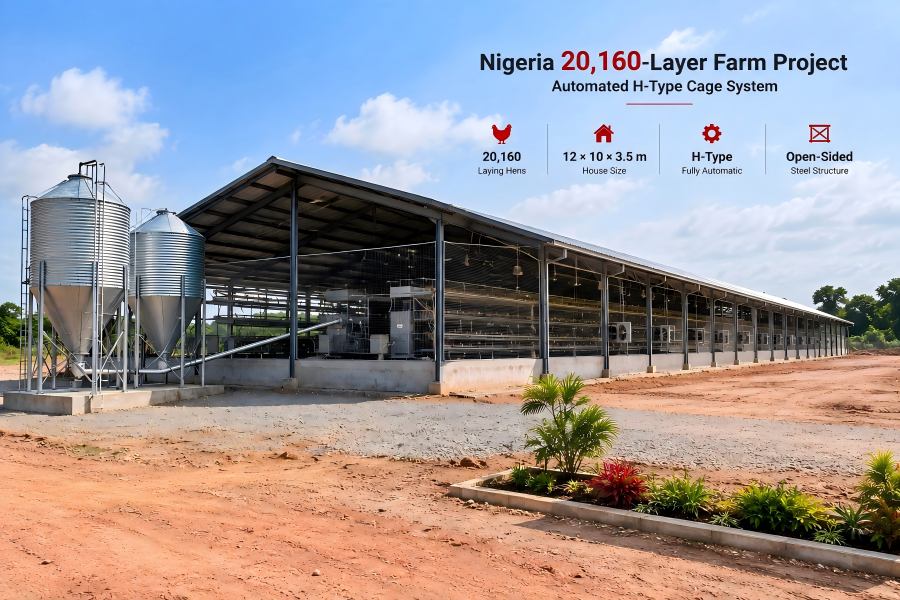
A 23,500-layer project in Zimbabwe can move toward detailed design when its egg sales route, site, utilities, operating budget and construction pathway have been assessed. The supplied H-Type Layer Cage reference covers 5,000–30,000 chickens, so the target is within its stated range. That does not confirm commercial viability, cage quantities or fit in a particular house.
Assess Your Zimbabwe Layer Farm Direction
Share your 23,500-layer target, project type, sales route and site conditions to discuss the information needed for a go-or-no-go review.
Start by deciding whether the project is a new build, an expansion or a renovation. Each has different constraints, and each may need a different layout or investment plan. If a critical condition remains unresolved, pause the equipment commitment until it can be verified.
What should a 23,500-layer farm decide before choosing equipment?
Validate demand and the sales route. Identify prospective egg buyers, expected purchasing volumes, delivery arrangements and payment terms. Check competing supply and obtain current local price information rather than relying on a single quoted selling price. Consider how eggs will be collected, stored and transported, and whether buyers can absorb the intended output.
Confirm the site. Review land access, house dimensions or buildable area, water availability, power reliability, drainage, manure handling and biosecurity routes. Assess the actual climate and seasonal conditions at the proposed location. Check applicable permissions and other local requirements with the relevant authorities before committing to construction.
Define the business and flock. The target here is 23,500 layers, but arrival age, breed and intended production stage still need confirmation. If the business will also rear chicks or pullets, plan their accommodation and transfer separately. Chick Brooding Equipment should be assessed against arrival age and the intended transfer stage; a Layer Cage should not automatically be treated as equipment for every stage.
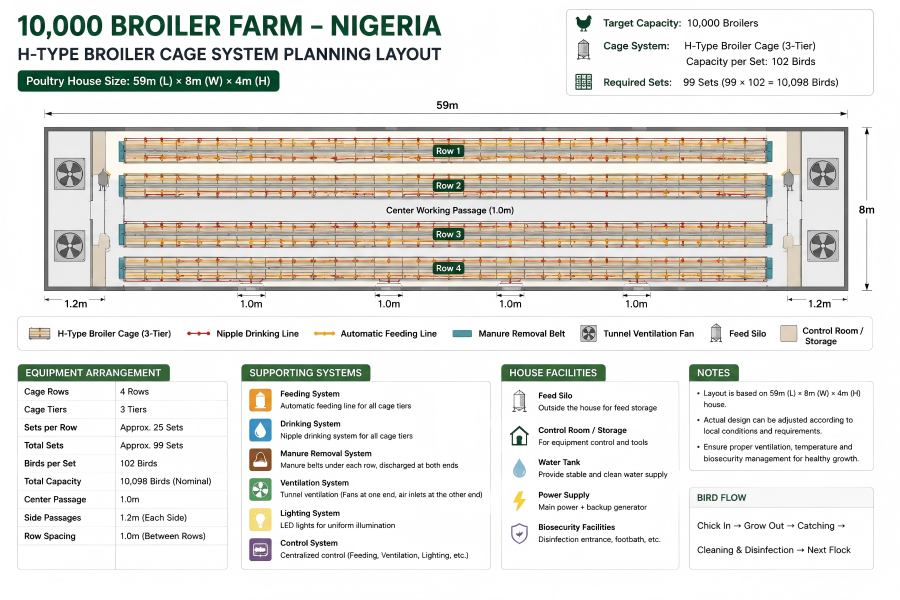
A broiler venture has a different sales or processing route and equipment requirements. Broiler floor-rearing equipment may be relevant to that alternative, but the applicable stocking density must be verified with qualified local advisers and current requirements. No density figure should be assumed from a Layer Cage reference.
New build, expansion or renovation: which conditions decide the next step?
| Pathway | Proceed toward design when | Redesign or pause when |
|---|---|---|
| New build | The sales route, land, funding and utility approach support the target; access and future use of the site are documented. | Redesign if the usable site or infrastructure cannot support the proposed layout. Pause if land, funding or the sales route is unresolved. |
| Expansion | Existing space, utility capacity and operating workflows can be assessed alongside the additional flock. | Redesign if new equipment or interfaces do not match the existing farm. Pause if capacity or compatibility cannot be established. |
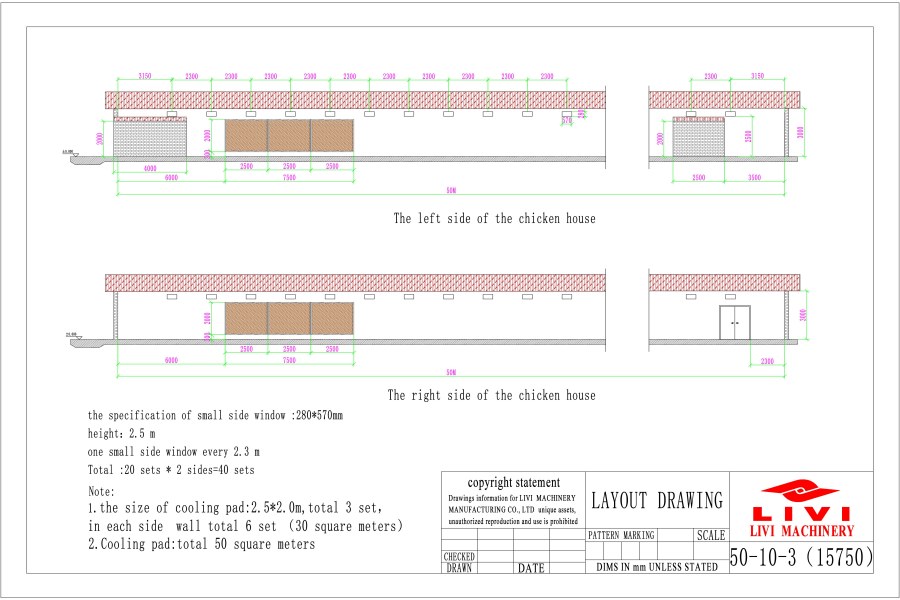
| Renovation | The building has been measured and inspected, with access and a plan for removing old equipment. | Redesign if the house needs changes to accommodate equipment or ventilation. Pause if structural condition or operational disruption is unacceptable. |
For expansion or renovation, establish what happens to existing birds and work routines during installation. A phased approach may reduce the initial commitment, but it also requires a plan for later construction, utility upgrades and equipment interfaces. Compare that plan with building the intended capacity at once; neither is automatically preferable.
How should housing and automation be compared?
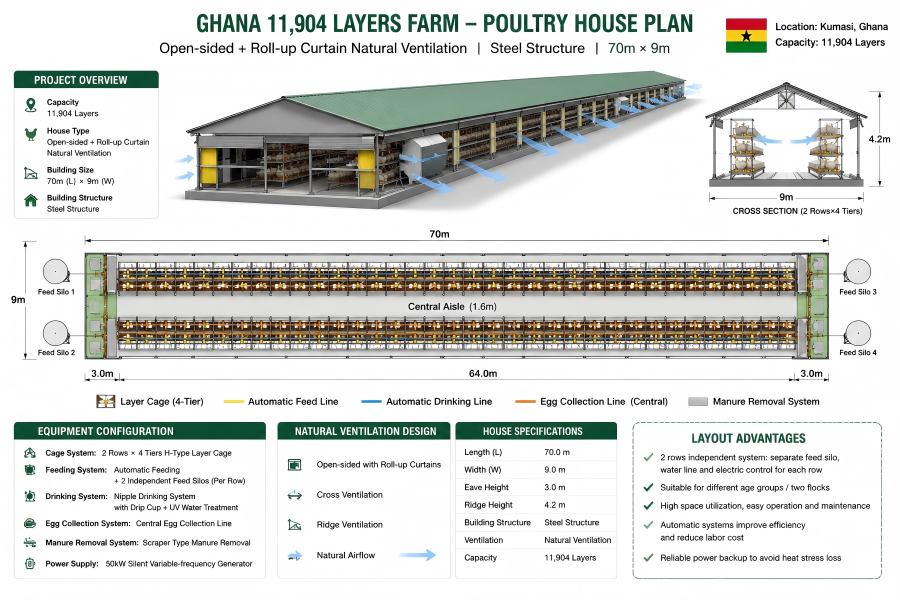
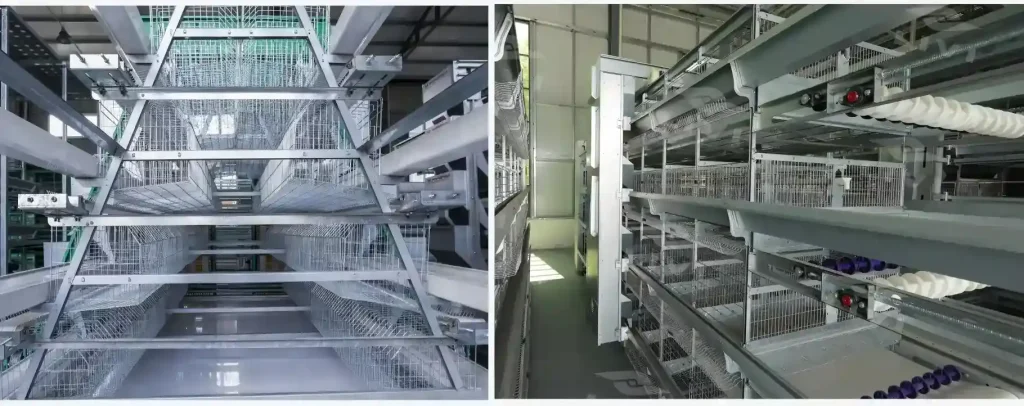
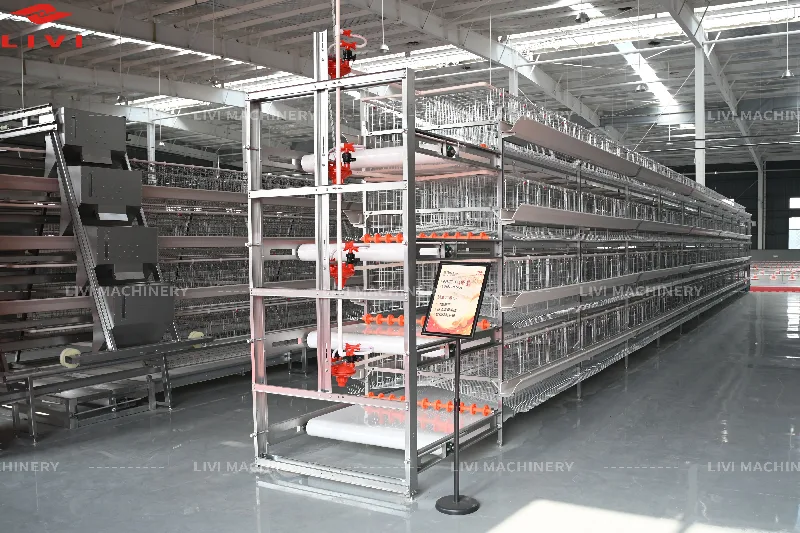
Compare an H Type Layer Cage System with an A Type Layer Cage System using drawings for the same flock target and site. Evaluate access to birds, feeding and drinking equipment, egg collection, manure removal, ventilation, maintenance space and the proposed investment. The comparison should show usable capacity and system interfaces, not just cage prices.
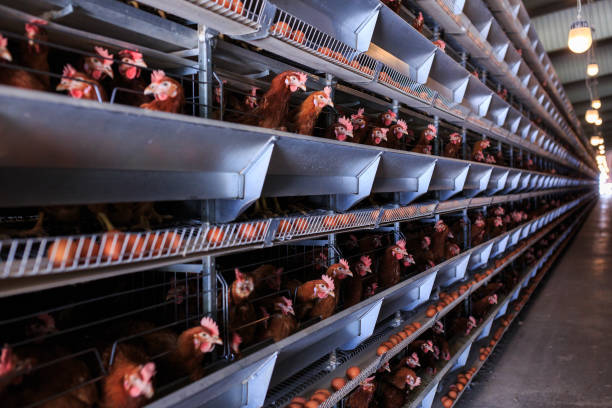
Floor rearing may also be worth reviewing if it matches the intended birds, market and management approach. The trade-offs among commercial layer housing systems depend on factors including location, management and bird strain. Confirm the conditions and welfare requirements relevant to the planned operation before selecting a system.
Automation should follow the work plan. Compare manual tasks with partial automation and a more automated configuration: who checks feed and water, collects eggs, removes manure, monitors ventilation and responds to faults? Add staff training, maintenance and backup procedures to each option. A higher purchase price does not prove that a system is better suited to the farm.
Which H-Type Layer Cage specifications are documented?
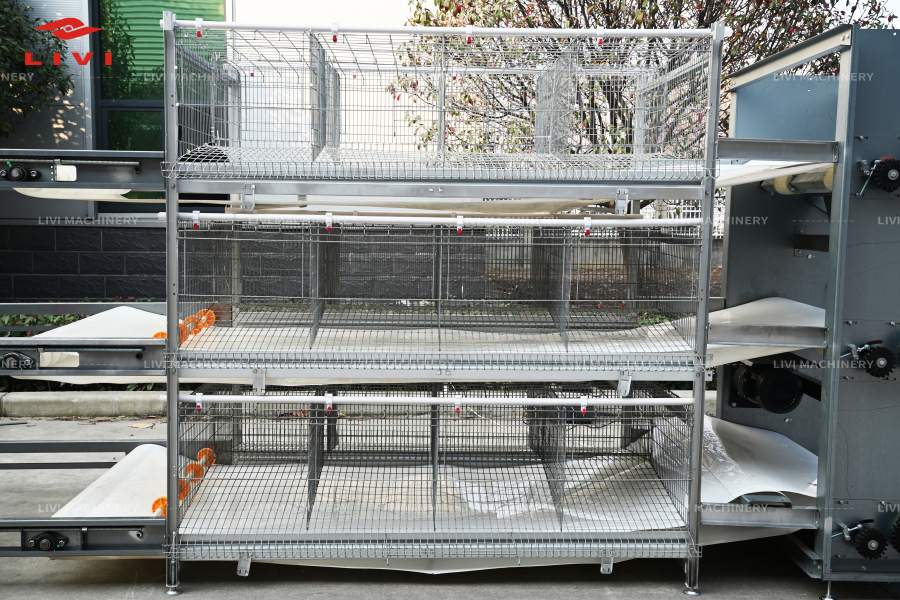
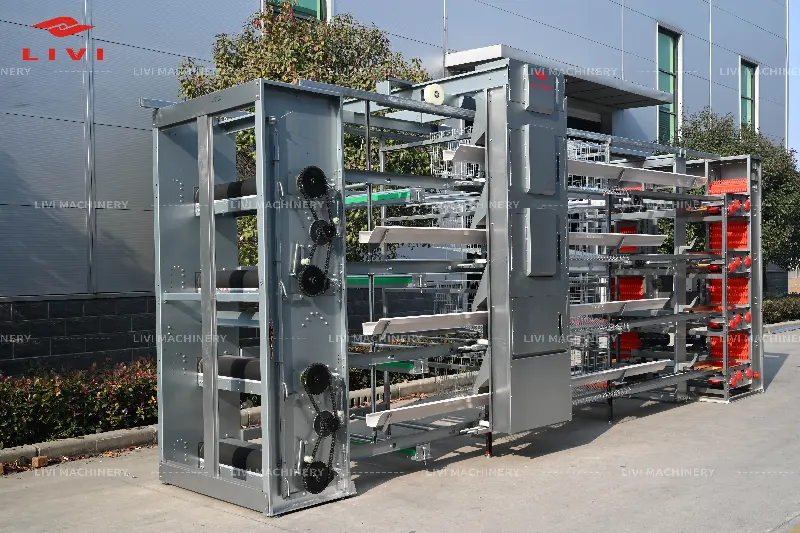
The supplied ABKE-008 product description provides a starting point for review, not a completed farm design. Ask the supplier to identify the exact configuration in the project quotation.
Check Your Site Before Choosing Cages
Provide your land or poultry-house dimensions, water and power conditions, and automation priorities to identify the layout questions that need technical review.
| Decision item | Supplied product reference | Confirmation needed for the farm |
|---|---|---|
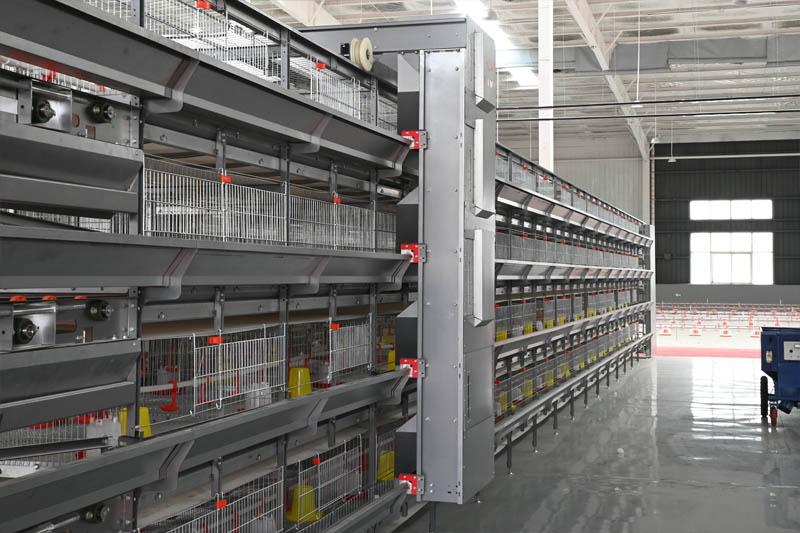
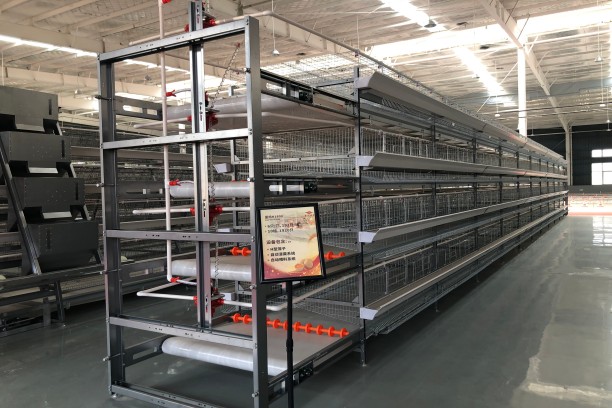
| Project scale | H-Type Layer Cage reference for 5,000–30,000 chickens | Layout, cage quantities and allocation for 23,500 layers |
| Structure and material | H-Type structure and Q235 steel | Dimensions, tier count, load-bearing details and component specifications |
| Surface treatment | Hot-dip galvanizing and aluminum-zinc alloy coating are described | Treatment and coverage for each quoted component |
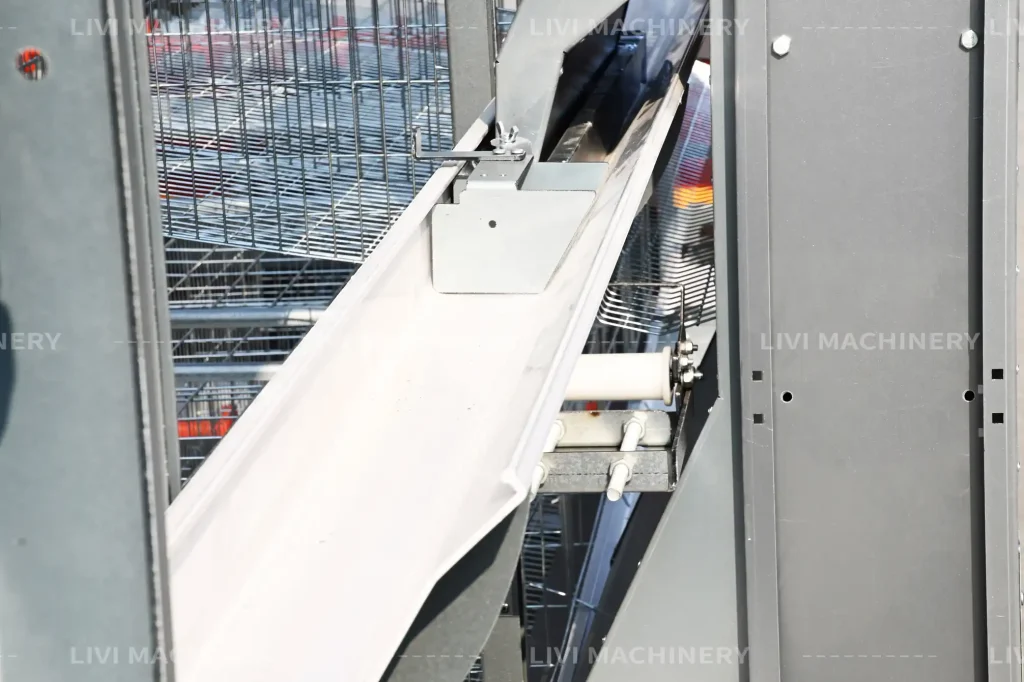
| Automation | Automatic Egg Collection and Automatic Manure Removal are described | Included components and the scope of Feeding, Drinking and Climate Control Systems |
| Commercial details | FOB and CIF quotation methods are listed | Price, electrical requirements, warranty, delivery terms and exclusions |
Check welds, connections, cage mesh, load-bearing points and surface finish against the agreed documents. Request material and inspection records, system testing details and pre-shipment checks. Capacity per unit and electrical requirements remain to be confirmed; do not calculate quantities from the overall reference range.
Can the planned output cover the farm’s costs?
A poultry farm sensitivity analysis should start with the buyer’s locally verified assumptions. Estimate saleable egg output, expected selling price and operating costs for the same period. Include feed, flock replacement, labor, utilities, health inputs, packaging, transport, maintenance and other relevant costs. Budget construction, equipment, installation and working capital separately, with financing costs where applicable.
To estimate operating break-even output, divide the period’s fixed costs by the expected selling price per saleable egg minus the variable cost per saleable egg. If that contribution is zero or negative, additional sales at those assumptions will not cover fixed costs. The calculation depends on how the farm classifies its costs; it is not a universal minimum flock size.
Then test the assumptions together and separately: higher feed prices, increased mortality and lower egg selling prices can weaken the budget. Mortality also affects saleable output, so recalculate production rather than changing costs alone. Compare the resulting cash needs with available funding, and pause or revise the project if the downside cannot be managed.
How should suppliers and delivery responsibilities be evaluated?
| Evaluation area | Evidence or written confirmation to request |
|---|---|
| Design | Measured layout, bird allocation, access, utility requirements and future expansion interfaces. |
| Production and quality | Material checks, weld and component inspection, functional tests and pre-shipment review. |
| Complete scope | Equipment list, system connections, installation materials, exclusions and acceptance responsibilities. |
| Delivery | Agreed trade term, packing list, insurance, import procedures, inland transport and unloading responsibilities. |
| Support | Installation, commissioning, training, spare parts, warranty terms and support contacts. |
LIVI Machinery describes design, welding, component production and assembly capabilities, as well as inspection through production and before shipment. It also lists remote guidance and on-site engineer support. Ask which services, personnel and costs are included for this Zimbabwe project; do not assume an on-site visit or a particular warranty is included.
Compare FOB and CIF quotations only after identifying their named delivery points and the responsibilities that remain outside each offer. Include site works, utilities, installation, training, spare parts, maintenance and working capital in the full budget. On arrival, use the packing list to check identification, quantities, damage and missing parts before installation.
What should buyers send before requesting a final layout?
Use this checklist to make quotations comparable:
- Project pathway: new build, expansion or renovation, including proposed phases.
- Flock: 23,500 layers, breed, arrival age and planned production or transfer stages.
- Site: location, measured land or house dimensions, building condition, access and drawings where available.
- Operations: egg sales route, manure plan, staffing, biosecurity workflow and desired automation.
- Utilities: water source, power conditions, climate concerns and proposed backup approach.
- Commercial scope: budget boundaries, delivery location, installation needs and preferred support arrangements.
Avoid ordering before measuring, treating the product range as proof of fit, overlooking operating costs or choosing the highest-priced offer as a proxy for suitability. Request comparable layouts and quotations, review the downside budget, and agree on site preparation, commissioning and acceptance responsibilities before releasing an order.
Discuss Your Current Layer Farm Plans
Tell LIVI whether your Zimbabwe project is a new build, expansion or renovation, and share the decisions you still need to resolve.
FAQ
1. Is a 23,500-layer target within the H-Type Layer Cage product reference range?
Yes. The supplied H-Type Layer Cage product reference covers 5,000–30,000 chickens, so 23,500 layers falls within that stated range. It does not establish the number of cages, bird allocation or suitability for a particular Zimbabwe site. Those decisions require measured drawings, a capacity calculation and final technical documents for the proposed configuration.
2. Can an existing poultry house accommodate an H-Type Layer Cage system?
Possibly, but the existing house must be measured and inspected first. Check usable dimensions, structural condition, installation access, ventilation, water, power and manure handling. An expansion or renovation also needs a plan for compatibility with existing equipment and disruption to current operations. Ask the supplier for a project-specific layout before deciding whether the building can be reused.
3. How do feed price, mortality and egg selling price affect a layer farm’s financial decision?
Higher feed costs or mortality and lower egg selling prices can weaken the farm’s budget, although the effect depends on its actual inputs. Build a base case using locally verified assumptions, then test adverse changes individually and together. Recalculate saleable output when mortality changes and compare expected cash needs with available funding before committing to equipment.
4. Should a new Zimbabwe layer farm select A-Type or H-Type cages?
Neither is automatically the better choice. Compare site-specific drawings and complete equipment scopes against the available building space, bird access, ventilation, labor plan, utilities and budget. Check how each proposal calculates capacity and accommodates maintenance and potential expansion. The appropriate decision is the layout that meets the project’s verified conditions, not simply the more expensive offer.
5. What should a 23,500-layer equipment quotation include?
A useful quotation should identify the proposed layout, quantities, included systems, technical requirements and delivery basis. It should also state exclusions and responsibilities for installation, commissioning, training, spare parts, warranty and after-sales support. Add the farm’s building, utility, transport and operating costs to the equipment quotation before judging whether the H type layer cage system is affordable.
TAGs: H type layer cage system, Zimbabwe layer farm planning, 23,500-layer farm project, H-Type Layer Cage specifications, poultry farm sensitivity analysis, layer farm equipment supplier evaluation
Prepare a Complete Layer Equipment Inquiry
Send your country, poultry type, planned flock, site dimensions, utilities and automation needs so the equipment scope and outstanding details can be discussed.