


Quick Answer
Investing in modern layer chicken cage systems maximizes poultry farm ROI by increasing egg production by over 15%, reducing labor costs up to 70% through automated egg collection and manure removal, and lowering feed wastage. A complete poultry farming business plan in Africa involves selecting between space-efficient A-type layer chicken cages or high-density H-type layer cages, calculating initial CapEx and OpEx, and partnering with reliable suppliers like Livi Machinery to achieve a full investment payback within 18 to 24 months.
1. Industry Background: The Poultry Revolution in Africa
The African poultry sector is undergoing a massive transformation. Driven by rapid urbanization, expanding middle-class populations, and an escalating demand for high-quality protein, commercial egg farming has emerged as one of the most lucrative agribusiness opportunities across Sub-Saharan Africa.
However, traditional free-range and deep-litter systems often fail to meet the rising market demand due to:
- High mortality rates caused by soil-borne pathogens and uncontrolled environments.
- Inconsistent egg quality and high rates of broken or dirty eggs.
- Excessive feed wastage and high labor expenditure per bird.
To overcome these challenges and achieve commercial scalability, modern producers are transitioning to automated poultry farming solutions. Implementing an efficient layer chicken cage system allows farmers in South Africa, Nigeria, Kenya, Ghana, and beyond to optimize feed conversion ratios (FCR), maintain strict biosecurity, and unlock predictable profitability.ratios (FCR), maintain strict biosecurity, and unlock predictable profitability.
2. Why Invest in Smart Battery Cage Systems?
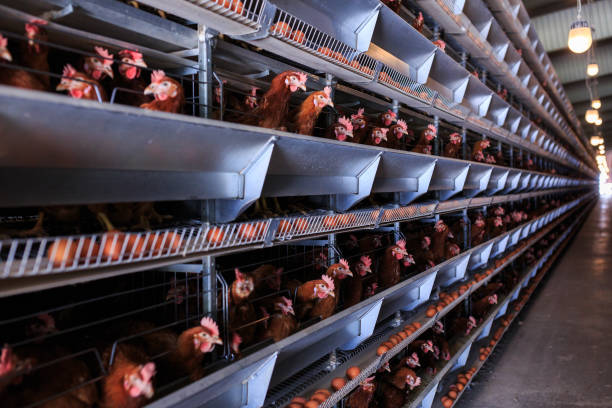
Investing in a high-performance battery cage for laying hens is not just an equipment purchase—it is a long-term strategy for operational efficiency.
Key Advantages of Modern Cage Systems
- Significant Surge in Egg Production: Controlled environmental dynamics minimize stress, enabling hens to direct their metabolic energy primarily toward laying. Expect laying rates exceeding 95% during peak cycles.
- Superior Hygiene & Disease Control: Manure is isolated immediately beneath the cages, dramatically reducing outbreaks of Coccidiosis, Salmonella, and internal parasites.
- Optimized Land Utilization: Vertical multi-tier cage configurations allow you to house 3x to 5x more birds per square meter compared to floor systems.
- Automated Operational Efficiency: Integrating automatic egg collection equipment and poultry manure removal systems slashes labor overhead by up to 70%.
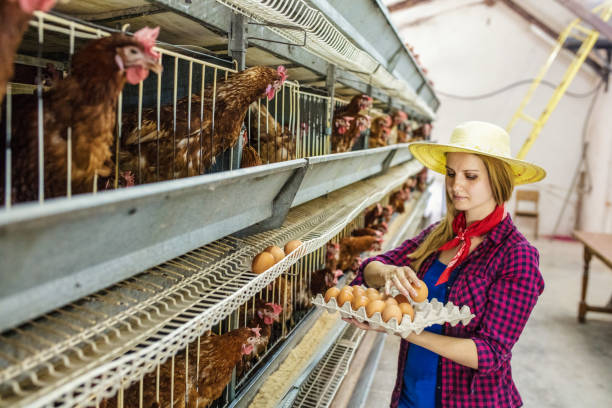
- Exceptional Egg Quality: Eggs roll smoothly onto collection belts instantly after laying, eliminating manure staining, pecking damage, and micro-cracks.
Ready to calculate your potential profitability?
3. Technical Comparison: A-Type vs. H-Type Layer Cages
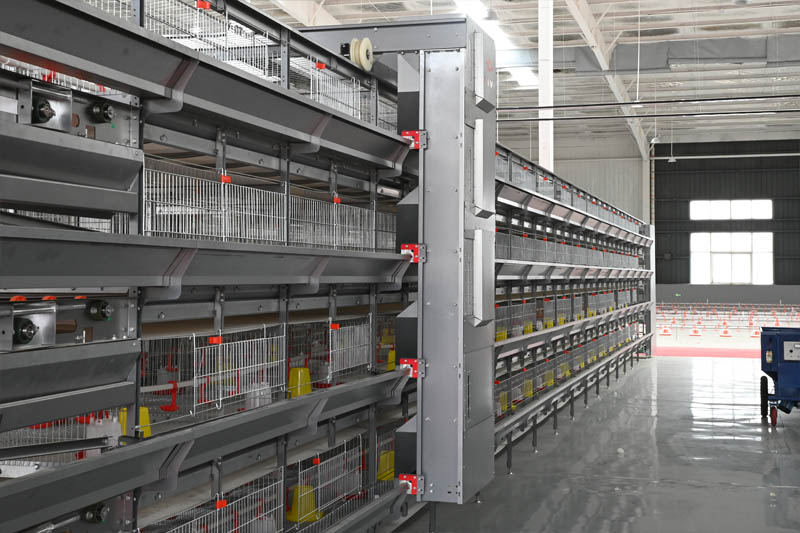
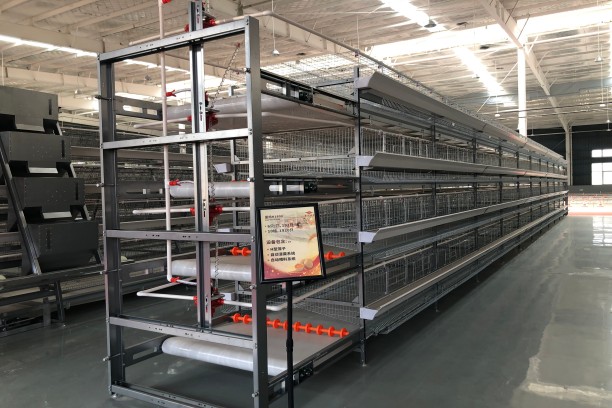
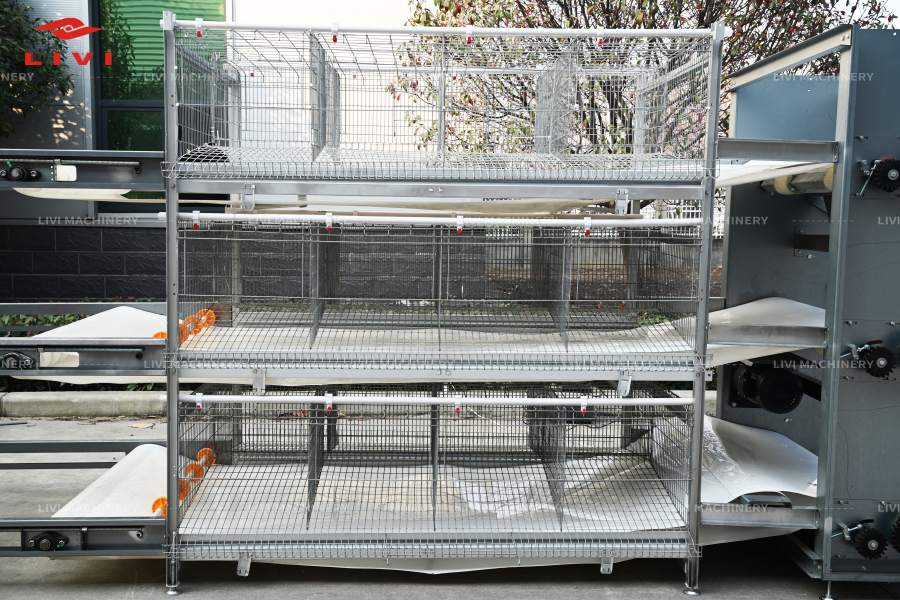
Choosing the right commercial battery cage setup depends on your target flock capacity, budget, and farm footprint. Below is a technical breakdown comparing A-type layer chicken cages and modern H-type layer chicken cage systems:
| Feature / Metric | A-Type Layer Cage System | H-Type Layer Cage System |
| Best Suited For | Small to Medium Farms (3,000 – 20,000 layers) | Large Commercial Farms (20,000+ layers) |
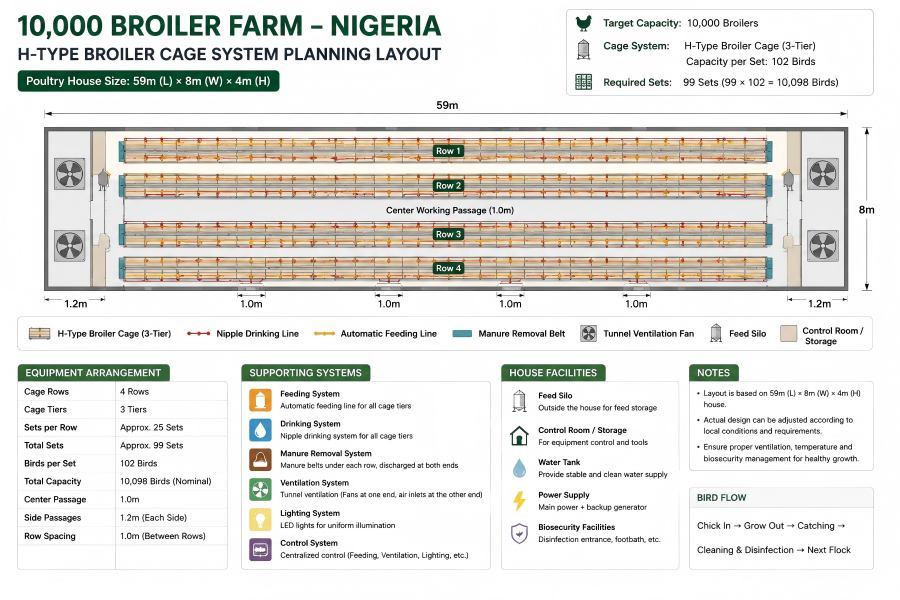
| Tier Capability | 3 to 4 Tiers | 3 to 8 Tiers (Vertical High-Density) |
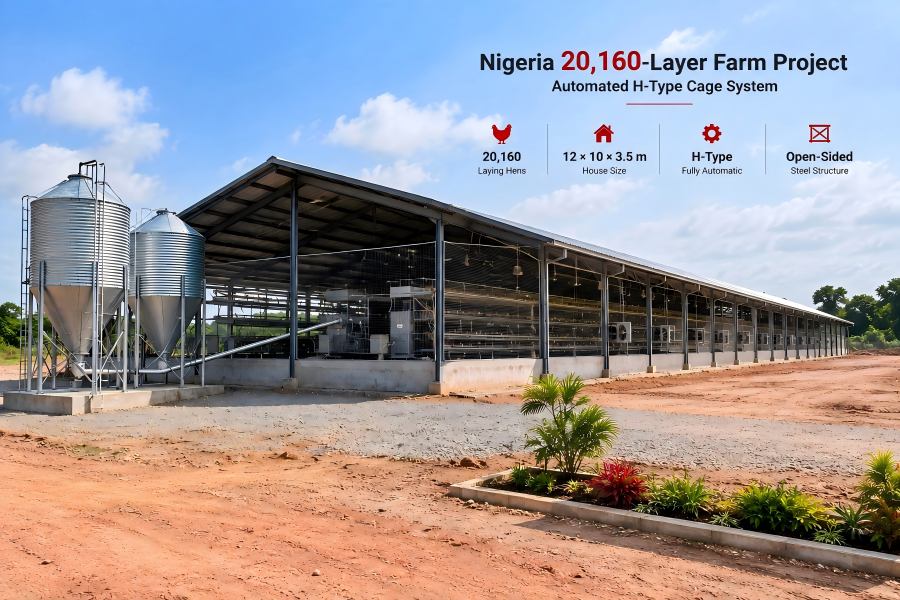
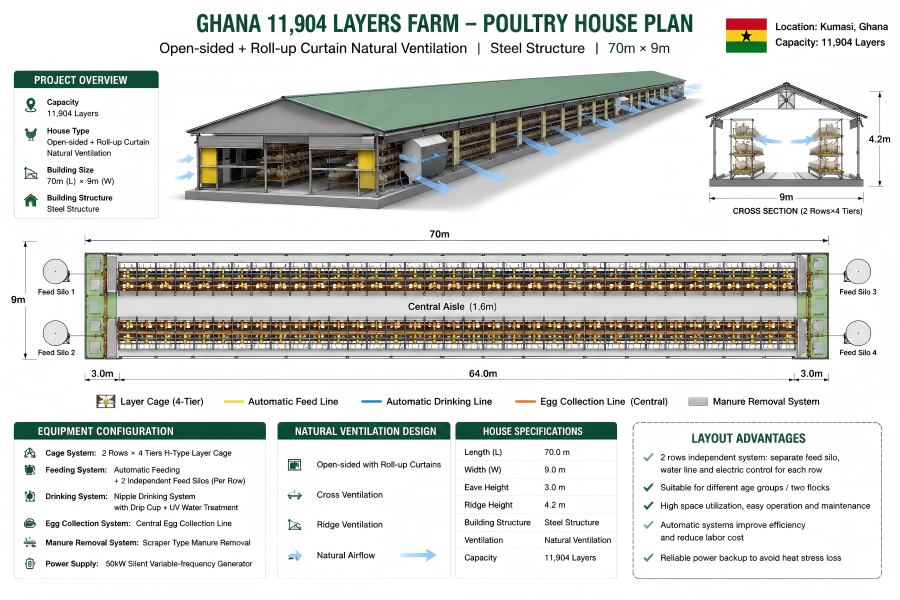
| Ventilation Needs | Natural or Open-sided Sheds | Closed Climate-Controlled (Tunnel Ventilation) |
| Manure Handling | Scraper System or Deep Pit Belt | Automatic PP Belt Manure Removal |
| Space Utilization | Moderate (A-frame design requires wider aisles) | Maximum (Vertical space optimization) |
| Automation Level | Semi-Automated or Fully Automated Options | Fully Automated (Feed, Water, Egg, Waste, Climate) |
| Initial Capital Investment | Lower Entry Cost | Higher Initial Capital Investment |
💡 Expert Insight: For farmers evaluating the cost of H-type layer cages, the higher upfront capital expenditure (CapEx) is offset within 18–24 months by reduced labor headcount, zero feed waste, and maximal density.
4. Step-by-Step Business Plan for Battery Cage Investment
A robust poultry farming business plan bridges the gap between buying equipment and generating reliable cash flow. Follow this practical blueprint:
Step 1: Market Research & Audience Segmentation
- Identify Target Channels: Secure buyer contracts with local wholesale markets, supermarket chains, bakeries, hotels, and food processors before stocking your flock.
- Analyze Price Volatility: Track seasonal fluctuations in egg prices across regional markets to forecast realistic revenue baselines.
- Benchmark Competitors: Examine local egg suppliers to identify gaps in egg sizing, grading, and direct delivery reliability.
Step 2: Production Planning & Breed Selection
- Select Proven Layers: Source high-yielding layer breeds adapted to hot climates (e.g., Hy-Line Brown, Lohmann Brown, or ISA Brown) known for high FCR and strong shell strength.
- Deploy Precision Feeding: Partner with poultry nutritionists to formulate phase-feeding programs (Pre-lay, Peak Lay, Post-Peak) using quality feeds to keep feed conversion rates optimal.
- Strict Biosecurity Enforcement: Install vehicle disinfection dips, shower-in facilities, footbaths, and strict vaccination schedules.
Step 3: Comprehensive Financial Modeling
A. Initial Capital Expenditure (CapEx)
- Equipment Procurement: Cages, automatic poultry drinking systems, feeding gantries, and manure belts from a reliable supplier.
- Infrastructure: Land acquisition, shed construction (steel structure vs. brick), and bio-security fencing.
- Initial Pullet Stocking: Purchasing 16-to-18-week-old point-of-lay (POL) pullets.
- Working Capital: Reserve funds covering 3 months of feed, utility bills, and labor before eggs generate positive cash flow.
B. Operating Expenses (OpEx)
- Feed (65–70% of OpEx): Precision feeding minimizes wasted mash or pellets.
- Labor & Utilities: Reduced manual labor costs offset by utility requirements for automated systems.
- Veterinary Care & Meds: Routine vaccines, vitamins, and sanitization chemicals.
- Maintenance Fund: Allocate 2–3% annually for mechanical preventative maintenance.
C. Financial Projections & ROI Metrics
- Gross Revenue: Total annual eggs sold × Average market price per crate/egg + Revenue from culled spent hens.
- Net Profit Margin: Target a 25% to 35% net profit margin under optimized management.
- Break-Even Analysis: Calculate the exact laying rate required (typically ~62–65% flock production) to cover total monthly fixed and variable operational costs.
Want to streamline your farm finances?
5. Partnering with Livi Machinery: Your Turnkey Partner
Executing a successful commercial project requires high-grade equipment engineered specifically for demanding environmental conditions. Livi Machinery is a trusted global provider of commercial poultry equipment in South Africa, Nigeria, Kenya, and over 60 countries worldwide.
Why Top Producers Choose Livi Machinery:
- Hot-Dip Galvanized Durability: All cage meshes and frames utilize heavy-duty hot-dip galvanizing technology, providing superior resistance against rust and ammonia corrosion for 20+ years.
- Customized Farm Designs: Free 3D layout designs tailored to your specific land dimensions, shed orientation, and target flock capacity.
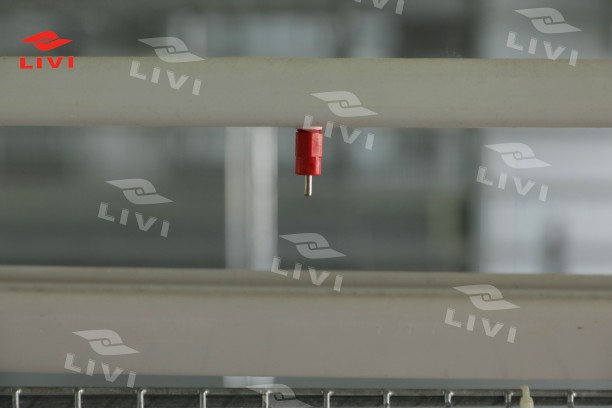
- End-to-End Automation: Complete integrated systems including automatic feed trolley dispensers, nipple drinking lines, longitudinal manure removal belts, and central egg collection hubs.
- On-Site Installation & Training: Professional engineers assist with equipment assembly, electrical commissioning, and operational training for your farm workforce.
6. Actionable Steps to Launch Your Layer Farm
Ready to build a profitable poultry enterprise? Follow this launch sequence:
- Request a Custom Farm Design & Quote: Contact our engineering team with your planned land dimensions and flock size.
- Download Our Financial Modeling Tool: Receive a detailed poultry farming business plan template customized for African market dynamics.
- Schedule an Expert Consultation: Speak with Livi Machinery’s poultry specialists to finalize equipment selection and shed specifications.
Frequently Asked Questions (FAQ)
Q1: What is the cost of battery cage for 5,000 birds in South Africa and Nigeria?
The total investment depends on the level of automation (semi-automated A-type vs. fully automated H-type). Generally, equipment costs range between $8,000 and $18,000 USD, excluding housing construction and pullet purchasing costs. Contact Livi Machinery for precise, real-time regional quotations.
Q2: Which is better for commercial egg production: A-type or H-type cages?
A-type cages are ideal for small-to-medium operations (under 20,000 birds) using open-sided sheds. H-type cages are best for high-density, fully automated, climate-controlled commercial poultry farms aiming for maximum space efficiency and minimal labor costs.
Q3: How do automated egg collection systems improve ROI?
Automated collection systems minimize manual handling, reducing egg breakage rates below 0.5%. They also eliminate manual collection labor, ensure cleaner eggs that command premium prices, and prevent egg-eating behaviors among hens.
Q4: How long does a hot-dip galvanized battery cage system last?
High-quality hot-dip galvanized battery cages manufactured by Livi Machinery have a lifespan of 15 to 25 years. Cold-galvanized or painted alternatives typically show rust and structural decay within 3 to 5 years under harsh manure ammonia conditions.
Q5: What is the average payback period (ROI duration) for a commercial layer cage setup?
With proper management, high-yield layer breeds, and steady feed quality, most commercial poultry farms achieve full payback on their equipment capital investment within 18 to 24 months of flock laying cycles.
Q6: How does a battery cage system reduce overall feed costs?
Battery cages feature specialized feed trough designs with anti-waste inner lips. Additionally, limiting hen movement reduces non-productive energy expenditure, lowering the total feed consumption required to produce a dozen eggs by 10% to 15%.
Q7: Can Livi Machinery assist with custom poultry house construction plans?
Yes. Livi Machinery provides comprehensive civil design blueprints, shed structural specifications, and ventilation layout recommendations customized to your local climate conditions and selected equipment specifications.
Take the first step toward commercial poultry success!