



Quick Answer: Is a 25,000-Layer H-Type Cage System Ready for a Zimbabwe Project?
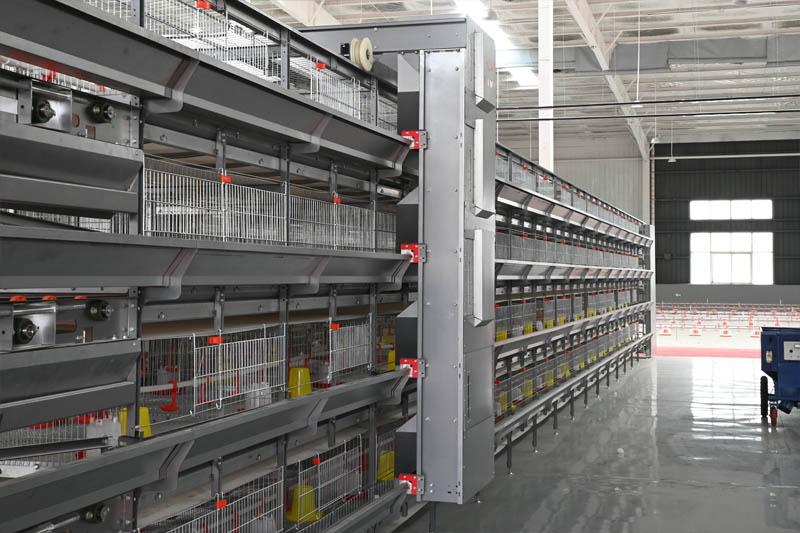
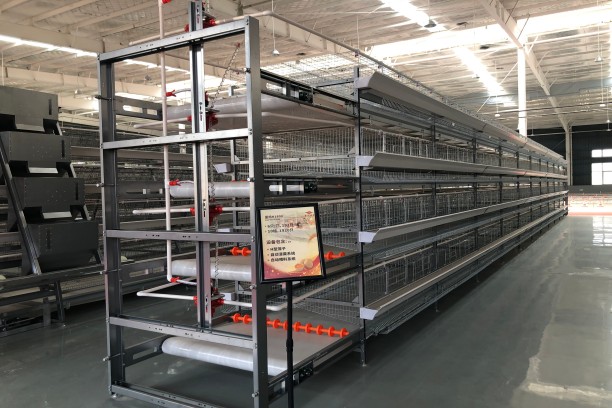
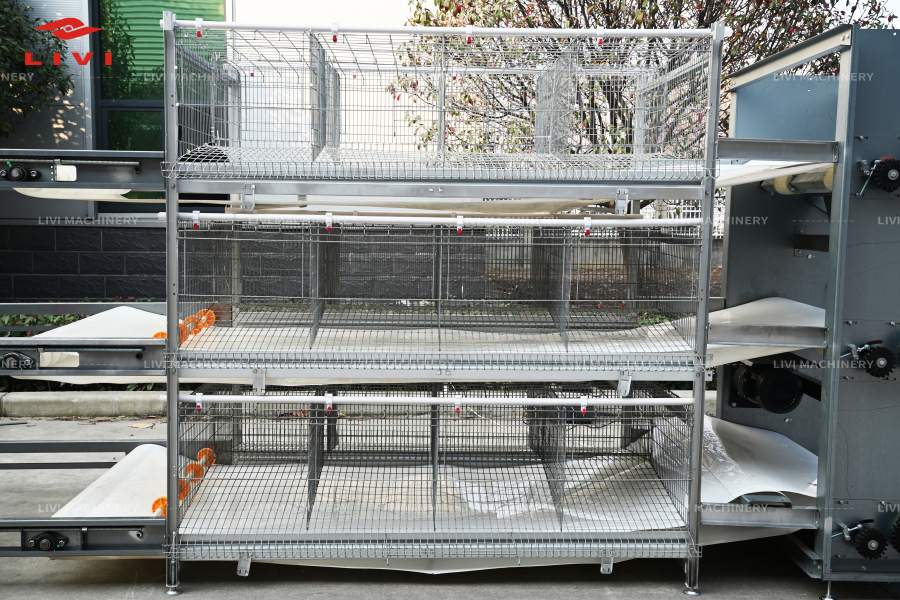
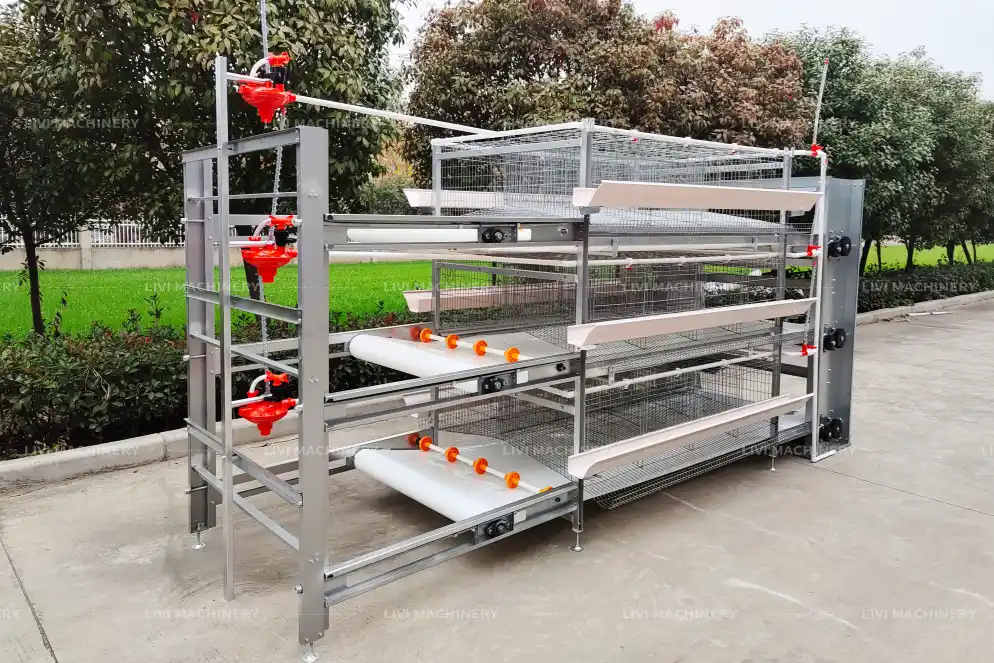
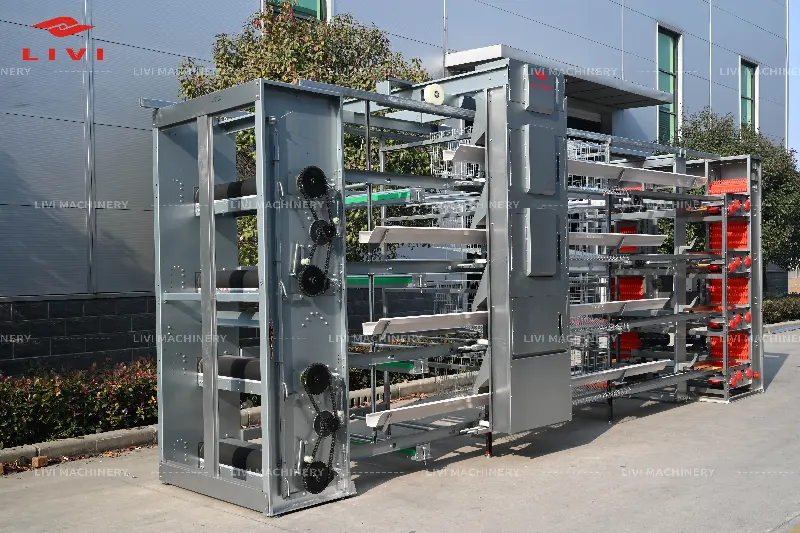
A 25,000-layer target falls within the supplied 5,000–30,000-chicken reference range for the H-Type Layer Cage product. The documented reference includes an H-Type structure, Automatic Egg Collection, and Automatic Manure Removal. These features can change routine work processes, but they do not confirm a farm layout, cage quantity, utility requirement, staffing plan, project cost, or operating result.
Planning a 25,000-Layer Zimbabwe Project?
Share your target flock, land or poultry-house dimensions, water and power conditions, sales route, manure plan, and automation priorities for a fact-based project-direction discussion.
No authorized Zimbabwe customer case source has been supplied. This is decision-stage planning guidance, not evidence of a delivered, installed, commissioned, or profitable Zimbabwe project. The immediate decision is whether the intended sales route, site, utilities, operating team, biosecurity workflow, manure route, and technical scope are ready for site-specific review.
Editorial Notice: A Real Zimbabwe Case Source Is Needed
A customer case requires project evidence, not only a country, flock target, and product reference. No authorized customer name, farm location, project date, house design, equipment quantity, shipment record, installation progress, production result, labor result, financial result, or customer quotation is available for this topic.
Therefore, the 25,000-layer H-Type Cage System in Zimbabwe is a planning target only. It cannot be described as an installed LIVI project, and this article makes no claim about egg output, mortality, labor reduction, maintenance performance, investment return, or payback period.
A future authorized case would need the customer’s starting conditions, approved layout and equipment scope, implementation status, and confirmed outcomes. Until that evidence is available, the practical question is whether the proposed operating model can support a 25,000-layer commercial egg project before equipment is selected.
What Must Be Decided Before Selecting a 25,000-Layer H-Type Cage System in Zimbabwe?
The first decision is not cage quantity. It is whether the commercial egg project has a defined operating basis. Start with the egg sales route, expected customer demand, budget boundary, operating team, and any phased-expansion intention. A bird target without a sales and operating plan is not a complete farm project.
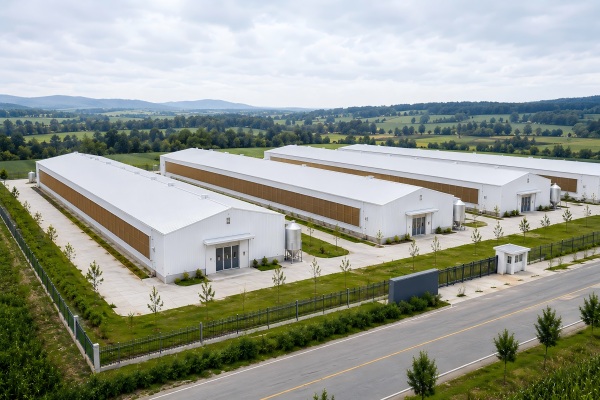
Then verify the land or poultry-house conditions. A technical review should collect available dimensions, access routes, water source, electrical conditions, ventilation approach, egg-handling process, manure-handling route, and biosecurity workflow. These items determine whether a final layout can be prepared; they cannot be calculated from 25,000 birds alone.
The operating team also needs a daily-work map. Assign responsibility for Feeding System checks, Drinking System inspections, egg handling, manure-system supervision, housekeeping, records, maintenance, and response to interruptions. FAO poultry management and housing guidance emphasizes physical environment, clean water, good-quality feed, disease-exposure control, and waste management as core management priorities.
An H-Type layout uses vertical space, but it does not remove the need for trained staff, maintenance access, preventive inspections, and clear escalation responsibilities. Treat 25,000 layers as a planning target, not as a substitute for house design, automation scope, or total investment planning.
25,000-Layer H-Type Cage System: Documented Product Facts and Required Project Verification
| Planning Item | Documented Product Reference | Zimbabwe Project Verification Required |
|---|---|---|
| Planning target | 25,000 layers is the topic target; the product reference range is 5,000–30,000 chickens. | Confirm final flock plan, expansion approach, and operating model. |
| Cage structure | H-Type structure. | Confirm house or land dimensions, access routes, layout, and cage quantity. |
| Material and coating | Q235 steel, hot-dip galvanizing, and aluminum-zinc alloy coating. | Confirm final product scope and technical documents. |
| Service-life reference | Stated reference of 15–20 years. | Plan inspection, maintenance, operating conditions, and replacement; this is not a site-specific guarantee. |
| Labor-related configurations | Automatic Egg Collection and Automatic Manure Removal are referenced. | Confirm automation scope, electrical conditions, procedures, maintenance access, and training. |
| Standards reference | Product information lists ISO9001, ISO14001, and CE. | Confirm any project-specific documentation or compliance requirements separately. |
No dimensions, tier count, bird density, electrical load, water demand, price, or installed capacity has been supplied. These details require a site-specific design review.
How Can Automation Change Routine Labor Without Removing Operating Risk?
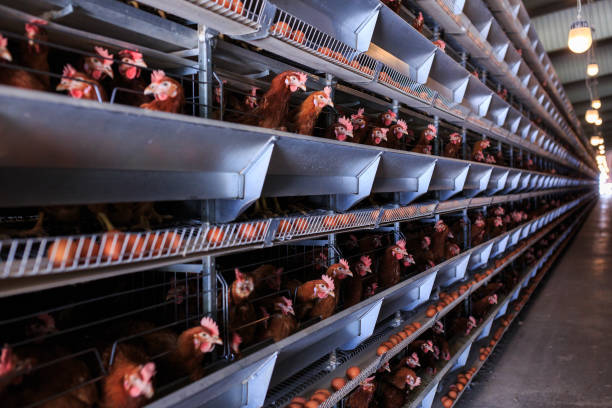
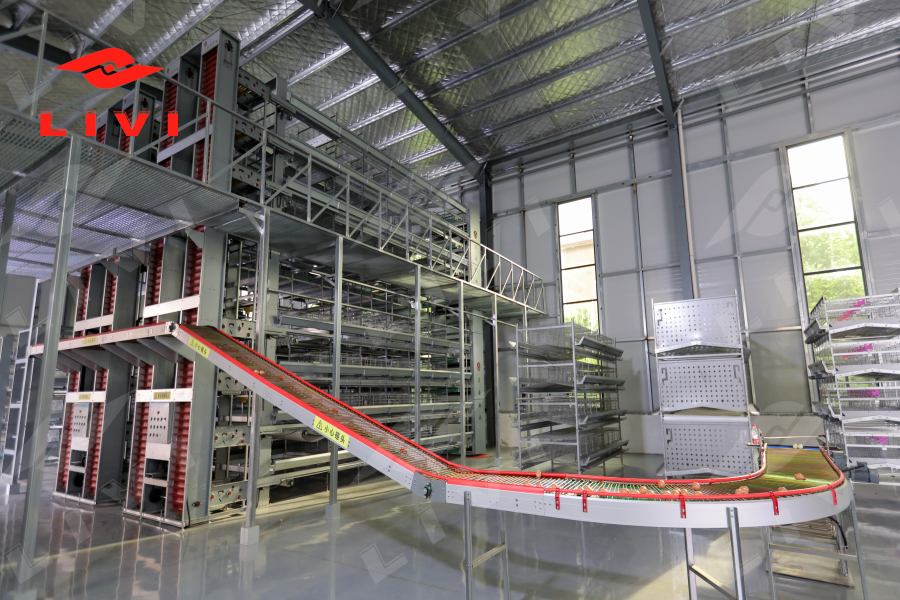
An automatic H type layer cage system can move selected work away from manual egg collection and manure handling toward supervision, preventive maintenance, troubleshooting, and response planning. This is a change in work organization, not verified evidence of a particular labor saving on a Zimbabwe farm.
Review Your H-Type Cage Requirements
Send your available site information, desired operating workflow, installation preference, and delivery basis so LIVI can identify the technical details requiring confirmation before equipment selection.
Before defining automation, map daily and periodic tasks. Identify who checks feed delivery, water availability, egg collection flow, manure removal operation, ventilation conditions, housekeeping, and records. Define who can act when normal routines are interrupted.
The supplied H Type Layer Cage System reference identifies Automatic Egg Collection and Automatic Manure Removal. LIVI Machinery also lists Feeding Systems, Drinking Systems, Ventilation Systems, and Climate Control Systems among its related capabilities, subject to final project scope. Buyers should not assume that every referenced system is included in every quotation.
Operating risks to review include insufficient utilities, unclear routine ownership, limited training, poor maintenance access, missing spare-parts planning, weak records, and delayed interruption response. These risks do not mean the project should not proceed; they show why equipment selection must follow an operating design.
A Practical Decision Sequence Before Production Release
- Confirm the 25,000-layer project direction, egg sales route, budget boundary, available site, and intended operating model.
- Gather dimensions, water source, electrical conditions, ventilation concept, manure route, egg-handling process, biosecurity workflow, and automation priorities.
- Develop and approve a site-specific H-Type Layer Cage layout and equipment scope. Do not derive cage quantity from flock target alone.
- Define delivery basis, packing-list review, unloading area, protected storage, installation responsibilities, and site-readiness checks.
- Install the confirmed scope according to final drawings and instructions, using remote guidance or on-site engineering support where agreed.
- Test the systems, train the operating team, and establish inspection, maintenance, and escalation responsibilities before operation.
This is a planning sequence, not an installation schedule or evidence of Zimbabwe project progress.
How Should Delivery and Site Readiness Be Managed for a Zimbabwe Layer Project?
Delivery planning should begin after the technical scope, packaging list, delivery basis, destination requirements, and site readiness are aligned. The supplied product information lists FOB and CIF quotation methods. It does not provide a Zimbabwe shipping route, transit period, freight amount, container quantity, customs procedure, or landed cost.
LIVI states that it can organize production, inspection, packaging, container loading, and export delivery coordination according to order scope and destination. Its documented quality-control process covers raw-material inspection, pre-production and post-production checks, third-party inspection, testing before dispatch, outbound inspection, and loading inspection. These are company process references, not a guarantee of a project outcome.
Before dispatch, verify the unloading area, inventory process, protected storage, installation access, utility readiness, responsible site team, and receiving sequence. A complete equipment package must remain separate from total farm investment, which may also include civil works, utilities, birds, feed, labor, working capital, and locally sourced services.
For supplier evaluation, clarify layout inputs, equipment inclusions and exclusions, packing documents, installation responsibility, commissioning, training, and after-sales support. LIVI states that support can include remote guidance and on-site assistance from experienced engineers, with an after-sales response time within 48 hours. Final support, spare-parts, training, and engineering arrangements must be defined in the project agreement.
What Supplier Capability Should Be Checked Before Selection?
A supplier review should assess whether a technical proposal matches the actual farm plan, not only whether the supplier offers an H type layer cage. LIVI reports welding, equipment-component, and complete-machine assembly systems; a production base of about 33,000 m²; annual capacity of 20,000+ layer cage sets; and quality-control steps from incoming material through loading inspection.
The company also states that it has served customers in more than 100 countries and completed 1,000+ projects. These company-level references are not Zimbabwe project evidence. A buyer should still request a project-specific scope review using actual house or land data, utilities, workflow, delivery preference, and installation responsibilities.
A Poultry Equipment Project Inquiry should clarify the final layout, scope boundaries, delivery basis, documentation, installation, testing, training, maintenance expectations, and technical communication route. Standard design lead-time references are 5–7 working days, while whole-house customization is stated as 10–15 working days, subject to final scope.
FAQ
Is a 25,000-layer H-Type Cage System within the documented product reference range?
Yes. The supplied H-Type Layer Cage product reference is for 5,000–30,000 chickens, so a 25,000-layer target is within that stated range. It does not confirm cage quantity, poultry-house layout, bird density, utility demand, or equipment scope for a Zimbabwe project. A site-specific technical review is required before procurement.
Can an H-Type Layer Cage system reduce routine labor on a 25,000-layer farm?
Automatic Egg Collection and Automatic Manure Removal can change how egg and manure work is organized. No verified labor-saving figure, staffing level, or operating result is available for Zimbabwe or for a 25,000-layer project. Buyers should map daily tasks, supervision, maintenance, training, and interruption-response procedures before defining automation scope.
What should be confirmed before requesting a 25,000-layer H-Type Cage System quotation for Zimbabwe?
Provide the flock target, site or poultry-house dimensions, water and electrical conditions, desired automation, egg-handling process, manure route, and delivery preference. Also clarify the market route, budget boundary, installation responsibility, and expansion intention. The supplied information lists FOB and CIF but provides no Zimbabwe-specific price or total investment.
Does the stated 15–20-year service life apply automatically to every Zimbabwe poultry project?
No. The 15–20-year period is a supplied product reference, not a site-specific guarantee. Lifecycle planning should consider final configuration, installation quality, operating conditions, inspection routines, maintenance practices, and replacement planning. Final technical documents should define the confirmed product scope and maintenance responsibilities.
What operating risks can automation introduce in a 25,000-layer cage project?
Automation can shift work toward system supervision, preventive maintenance, troubleshooting, and response planning. Before selection, verify electrical conditions, water availability, trained operators, spare-parts planning, maintenance access, and escalation responsibilities. No Zimbabwe-specific utility reliability, maintenance performance, or operational results have been supplied.
Is this article a verified customer case from Zimbabwe?
No. No authorized Zimbabwe customer case evidence has been supplied for this topic. This is a decision-stage planning scenario using documented H-Type Layer Cage product information. A real case study would require approved evidence of the customer, technical scope, implementation status, and confirmed results.
TAGs: 25,000-layer Zimbabwe project planning, H-Type Layer Cage System, commercial layer farm automation, Automatic Egg Collection, Automatic Manure Removal, layer farm operating risk