



Quick answer: A 40,000-Layer Farm Project in Uganda may be planned as a new build, expansion or retrofit. A retrofit can sometimes be phased while part of a farm operates, but uninterrupted production depends on house access, flock movements, safe separation and utilities. Assess those conditions before ordering equipment.
A documented LIVI project in Uganda connects a 40,000-layer project with a 10,000-chick brooding stage. It uses separate A-Type Layer Cage and Chick Cage arrangements, and the first flock has moved from the brooding house to a layer house. The record does not establish whether it was a retrofit or whether production continued without interruption.
The investor’s decision is not simply whether to copy the equipment. It is whether the flock target, sales route, site and finances support the project—and how brooding will supply the laying houses.
Project Solution at a Glance
| Project element | Documented Uganda configuration | Decision relevance |
|---|---|---|
| Scope | 40,000 layers and 10,000 chicks for brooding | Plan the stages separately. |
| House | Open-sided timber-frame house, 50 × 12 × 3.5 m | Assess any proposed building independently. |
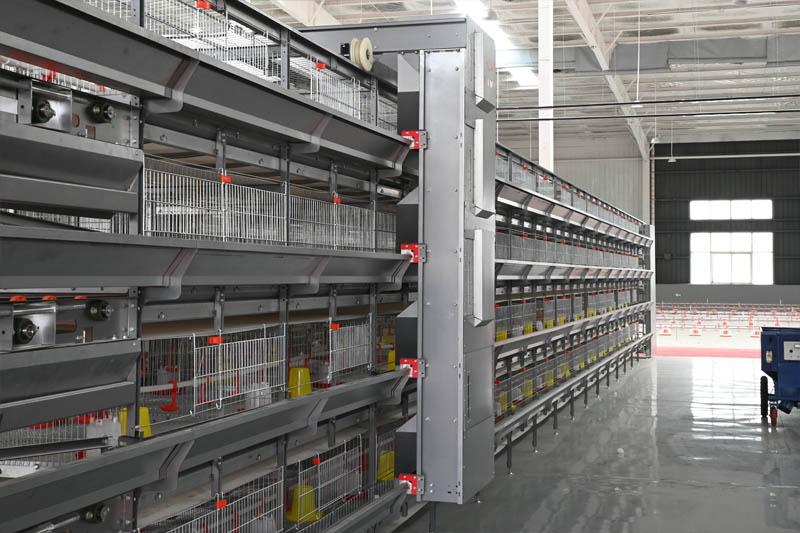
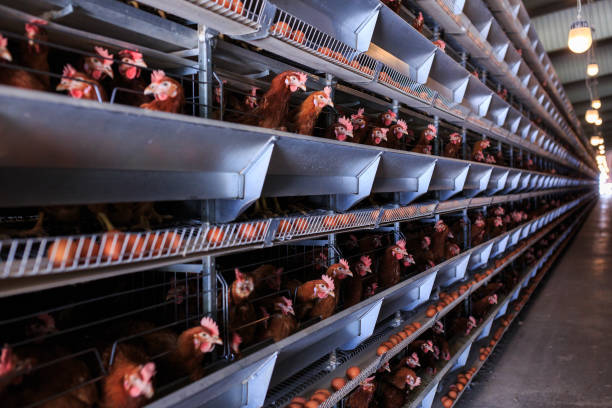
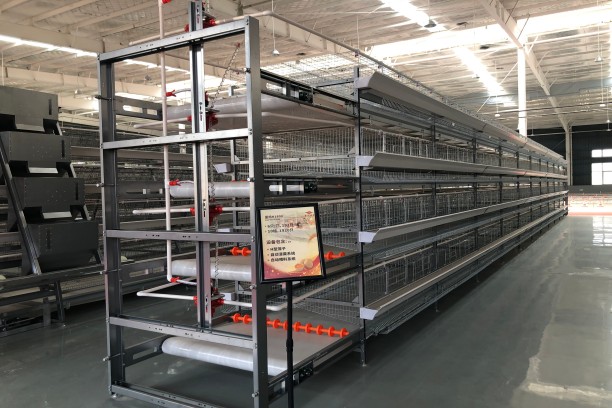
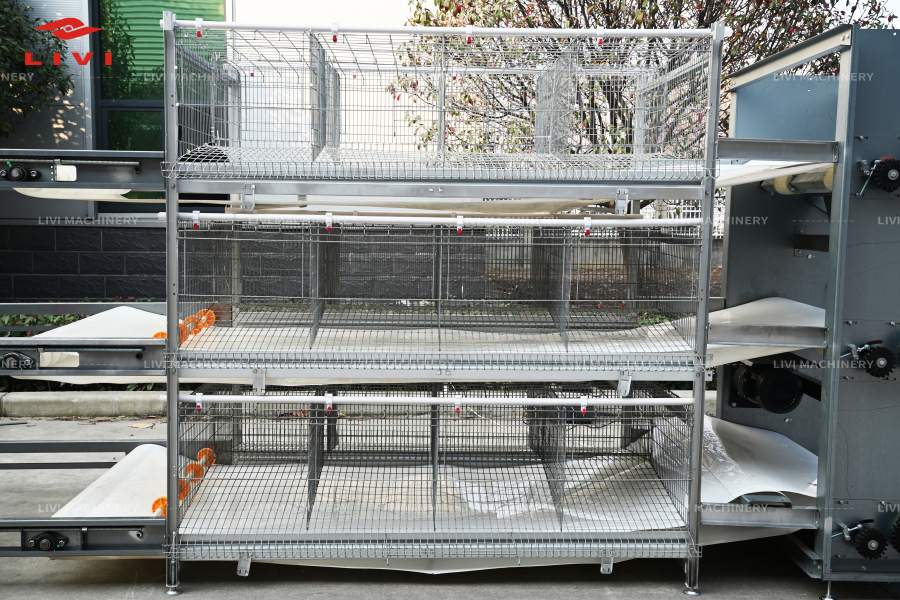
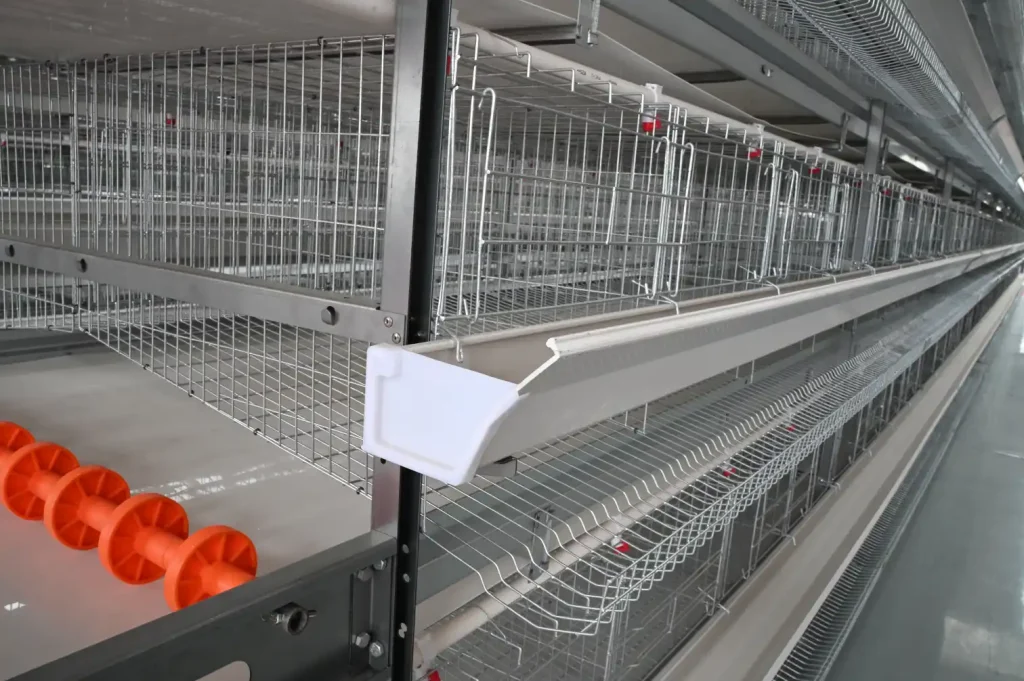
| Cages | 4541 A-Type Layer Cages: 3 rows × 4 tiers; 5035 A-Type Chick Cages: 2 rows × 3 tiers | Confirm row fit, access and capacity. |
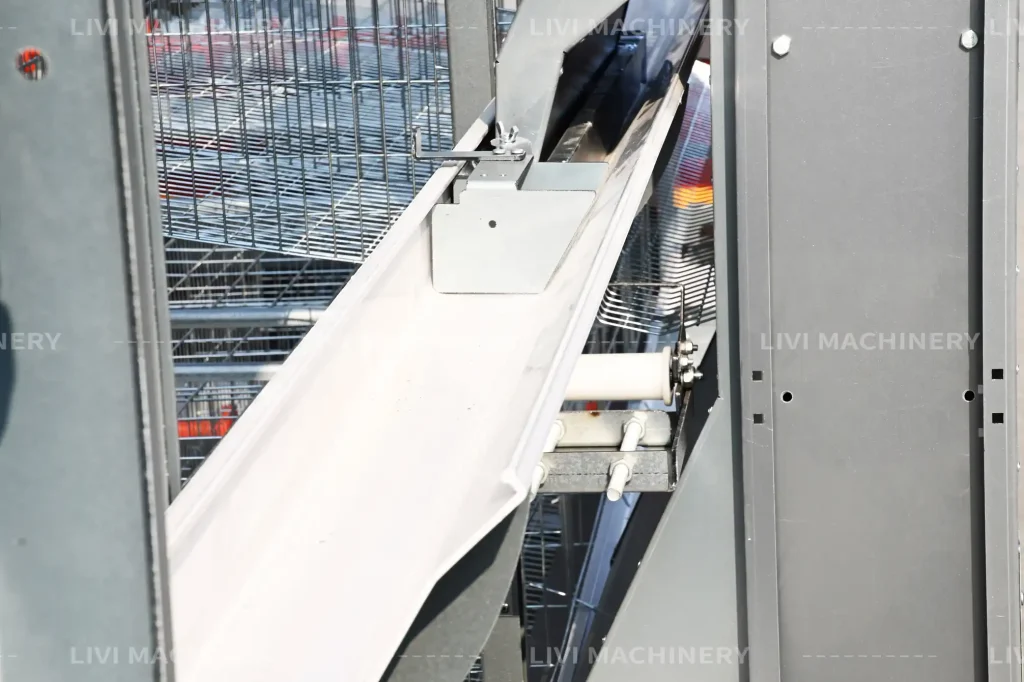
| Feeding | Fully automatic traveling Feeding System and silos; separate silo and elevator for brooding | Check feed routes for each house. |
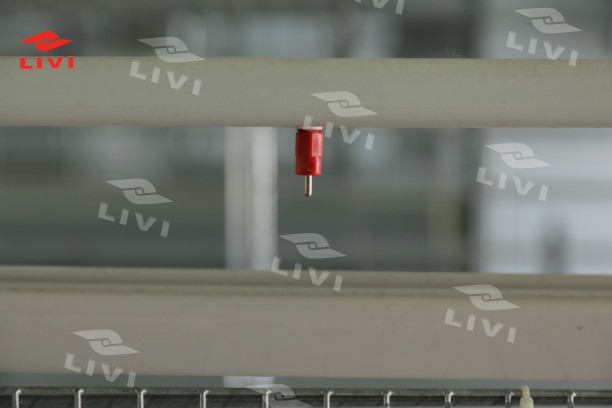
| Drinking and manure | Nipple Drinkers with pressure regulation per tier; scraper-based Automatic Manure Removal | Verify supply, discharge and access. |
| Feed preparation | Crusher, mixer, silo and enclosed conveying; feed-level sensors stop the system when full | Define processing and storage responsibilities. |
| Status | Cage and feed-processing equipment delivered together; first flock transferred to a layer house | Coordinate equipment and flock schedules. |
The case also reports 10,000 layers per house, but the supplied record does not establish a total house count. Its dimensions and arrangements are project references, not a standard layout for every site.
Planning a Similar Layer Farm in Uganda?
Share your location, flock target and existing house conditions with LIVI to discuss whether a comparable layer and brooding approach fits your project.
When should an existing farm be retrofitted rather than expanded or rebuilt?
Consider a retrofit when measured buildings can accommodate the intended layer cage equipment, working clearances, ventilation and feed and manure routes. Inspect the structure, drainage, electrical installation and existing equipment interfaces. Establish where birds and workers can be separated during construction. If work cannot be isolated safely, the house may need to be emptied or production paused.
Consider expansion when the existing operation is usable and additional land, utility capacity and access are available. A new house can provide space for flock movements, but it needs its own budget and biosecurity plan. Reserve routes for feed, eggs and manure before placing it.
Consider a new build when existing buildings cannot support the required layout. Assess land, roads, water, power, drainage and future expansion before designing houses around a confirmed production system. None of these paths establishes commercial viability by itself.
Speak with prospective egg buyers about volumes, delivery and payment terms. Investigate competing supply and current local prices. Compare the target flock with available feed, labor and management capacity, and confirm applicable permits and welfare requirements with the appropriate authorities.
How should housing and cage systems be compared?
An A Type Layer Cage System is worth evaluating when its row arrangement, manure handling and automation fit the building and operating team. The Uganda case uses A-Type cages, but its configuration does not prove that another house can accommodate the same rows or tiers.
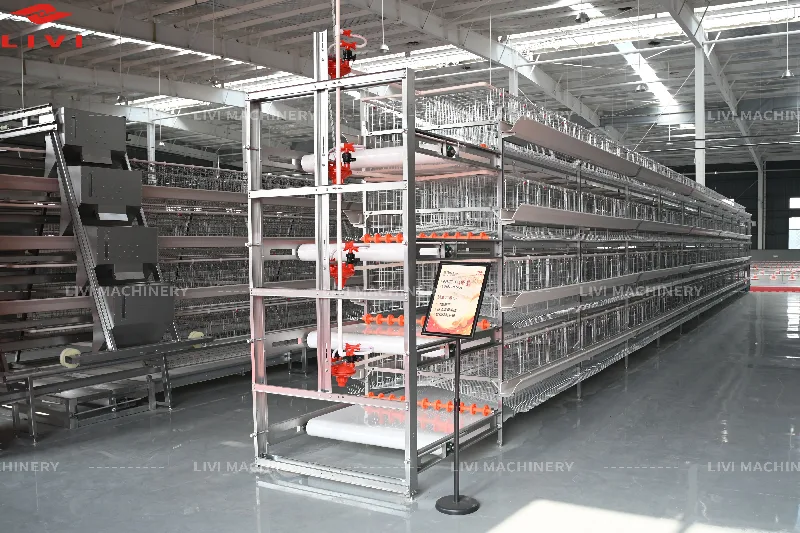
An H Type Layer Cage System is an alternative when the proposed house, automation and service arrangements support it. Request drawings and installed quotations for both; compare space, labor, power, egg handling and maintenance. Do not assume an A-Type installation can be converted to H-Type without replacing equipment.
Floor rearing is another option if the market, management approach and welfare requirements support it. Compare land, litter management, labor and egg handling with cage systems. If the investor is still deciding between layers and broilers, broiler floor-rearing equipment needs a separate production and sales assessment; it is not a substitute for the documented layer configuration.
What does the Uganda case show about connecting brooding and layer production?
The case’s planning lesson is to coordinate bird movement with feed and house availability. A separate brooding-house silo and elevator allow feeding to be organized independently by house. Map chick arrivals, growth stages, transfer dates and available layer-house space before adopting a similar approach. The case does not specify a transfer age or a universal replacement schedule.
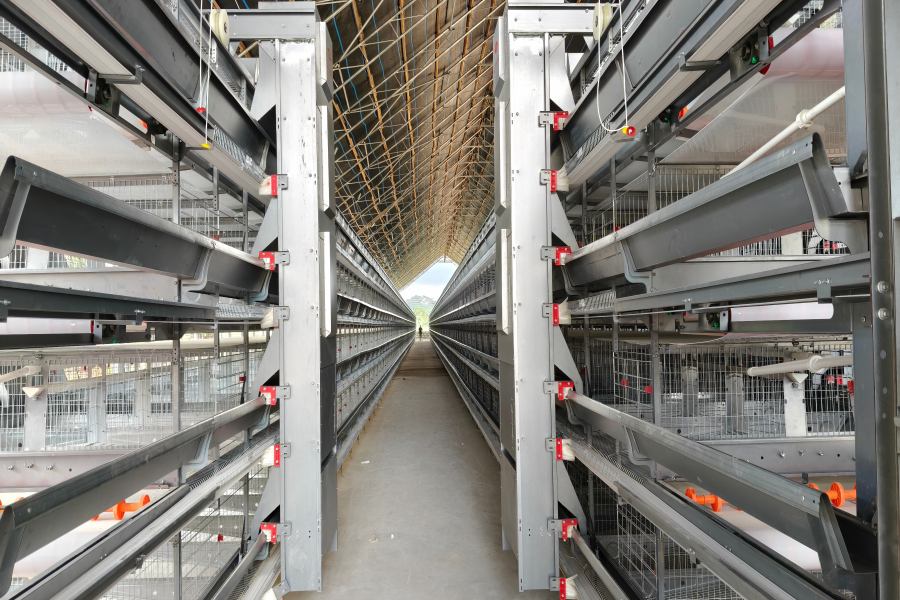
The project’s Chick Rearing Equipment includes adjustable baffles. Each layer compartment has two Nipple Drinkers, with pressure regulated independently per tier. Assess these features alongside water quality and husbandry. The case lists four birds per layer compartment and 439 cm² per bird; another farm must verify its own configuration and applicable welfare requirements.
The selected A45-41 is a separate Layer Cage product reference, with stated 120/160 birds per unit and 3–5 tiers. Its supplied recommended farm-scale range is 5,000–20,000 birds. A 40,000-layer project needs a specific review rather than an assumption that this product describes the Uganda case. The case models are designated 4541 and 5035; their specifications should not be merged with other product records.
What equipment and infrastructure should a proposed farm specify?
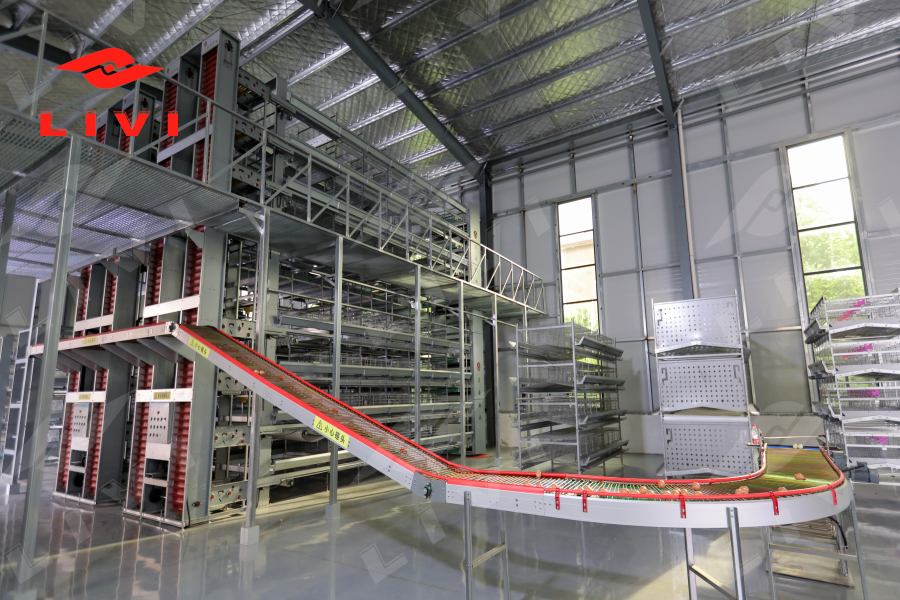
Start with daily tasks, then select the automation level. The A45-41 standard configuration includes a traveling Feeding System, basic Automatic Drinking, scraper manure removal and an Egg Collection System. Other listed options include manual or more automated handling. Confirm availability and compatibility in the quotation.
Could Your Existing Houses Support a Retrofit?
Describe your house dimensions, current production schedule, water and power conditions, and automation priorities to explore practical options for your own farm.
Compare manual manure removal, a scraper and a flat Manure Belt against the building, labor plan and discharge route. The supplied belt component uses 1.2mm PP material; confirm compatibility with the proposed cage. The Uganda case records scraper-based removal, not a belt installation.
Select lighting, egg collection, ventilation, cooling and alarms separately for the proposed farm. Their installation is not established in the Uganda case. Define where feed is stored, eggs are handled and manure leaves the site without unnecessarily crossing sensitive bird routes.
What site and delivery conditions could affect installation?
Assess the site’s temperature, rainfall, humidity, wind and seasonal variation. An open poultry house still needs a ventilation plan; natural airflow must be evaluated against the building and birds. A closed poultry house with climate control may be considered where conditions justify powered ventilation, but its electrical loads and failure response also need assessment.
Check water quantity, quality and pressure, and review electrical loads and supply reliability. If backup power is needed, size it for essential equipment and starting loads, not bird numbers alone. Select cooling pads or heating only after assessing site conditions and bird stage.
For a phased retrofit, document occupied areas, work access and temporary feed and water arrangements. Coordinate packing lists, unloading, import responsibilities and delivery timing with installation. Plan an alternative response to delays or equipment faults where existing production must continue.
Can the proposed scale be financed and operated?
Build the budget from the production plan, not the cage price alone. Include land or building work, cages, feed preparation and storage, birds, utilities, transport, import-related costs, installation, staff, maintenance and working capital during construction and ramp-up. Ask suppliers to identify quotation inclusions and exclusions.
Test assumptions using local evidence: expected saleable egg volume and price, feed consumption and price, labor, energy and other operating costs. For a feed-price stress test, calculate revenue available after non-feed costs, then divide the amount available for feed by expected feed quantity. Check whether that break-even feed price remains credible under weaker egg prices or output. This is a planning calculation, not a profit forecast.
If land, cash or management capacity cannot support the full target immediately, assess a smaller first phase. Reserve future access and utility connections where practical, but do not assume expansion will be free of replacement or disruption costs.
How should the project move from assessment to operation?
- Record starting conditions: measure buildings and utilities, document flock movements and identify areas that must remain operational.
- Compare project paths: review retrofit, expansion and new-build layouts, including separation, disruption, capital and future access.
- Confirm production interfaces: align bird stages and transfers with cage capacity, feed, water, egg handling and manure routes.
- Agree the scope: approve drawings, equipment lists, shipping responsibilities, spare parts and commissioning checks before ordering.
- Install and test: phase work only where safe for birds and personnel; check feeding, drinking and manure equipment before use.
- Train and review: document operator training and maintenance responsibilities, then review the first operating phase before further work.
The Uganda case included installation documentation and remote engineering guidance. For another project, agree support, training, spare parts and service terms in advance. LIVI also offers layout and configuration support, production and delivery coordination; the final scope depends on the project agreement.
Connecting Brooding and Layer Production on Your Farm?
Tell LIVI about your planned bird numbers, transfer schedule and available buildings to discuss a coordinated equipment approach for your project.
FAQ
1. How do you compare A-Type and H-Type cages for 40,000 laying hens?
Compare layouts against usable house space, automation, egg and manure handling, maintenance access, power needs and total installed cost. The Uganda case used A-Type Layer Cages, but that does not establish which system suits another 40,000-layer farm.
2. Should I start with A-Type cages and upgrade later, or invest in H-Type cages?
Compare the immediate budget and operating plan with future house, utility and equipment requirements. A later change is not necessarily a simple conversion. Confirm compatibility, replacement costs and installation disruption before relying on an upgrade path.
3. How do you calculate air exchange and air speed for tunnel ventilation in a poultry house?
Start with the required ventilation rate for the birds and site. Air exchange is airflow divided by house volume; air speed is airflow divided by effective air-passage area, using consistent units. A qualified designer must verify openings, fan performance and other inputs. Tunnel ventilation is not confirmed in the Uganda case.
4. How much does a 40,000-layer farm project in Uganda cost?
Cost depends on building reuse or construction and the equipment, shipping, installation and infrastructure included. Budget for birds, feed, labor, utilities and working capital. A reliable total requires site-specific quotations and operating assumptions; the case does not establish an investment amount.
5. Can the Uganda case house dimensions be used for an existing farm?
The 50 × 12 × 3.5 m house is a reference, not a transferable capacity guarantee. Measure the existing structure and assess cage rows, clearances, ventilation and utilities before approving a layout. Structural condition and installation access also affect reuse.
6. How should a 10,000-chick brooding stage connect with a 40,000-layer farm?
Plan chick arrival, growth stages and transfers against available layer-house space and the production schedule. The Uganda case used separate brooding and layer cages and recorded a first transfer. It does not establish a transfer age or universal replacement schedule.
TAGs: 40,000-layer farm project in Uganda, Uganda layer farm retrofit, A-Type layer cage project, layer and chick cage systems, automatic layer feeding systems, poultry farm expansion planning
Start a Conversation About Your Poultry Project
Share your country, poultry type, planned capacity, site dimensions and preferred automation with LIVI to discuss a project-specific equipment scope.