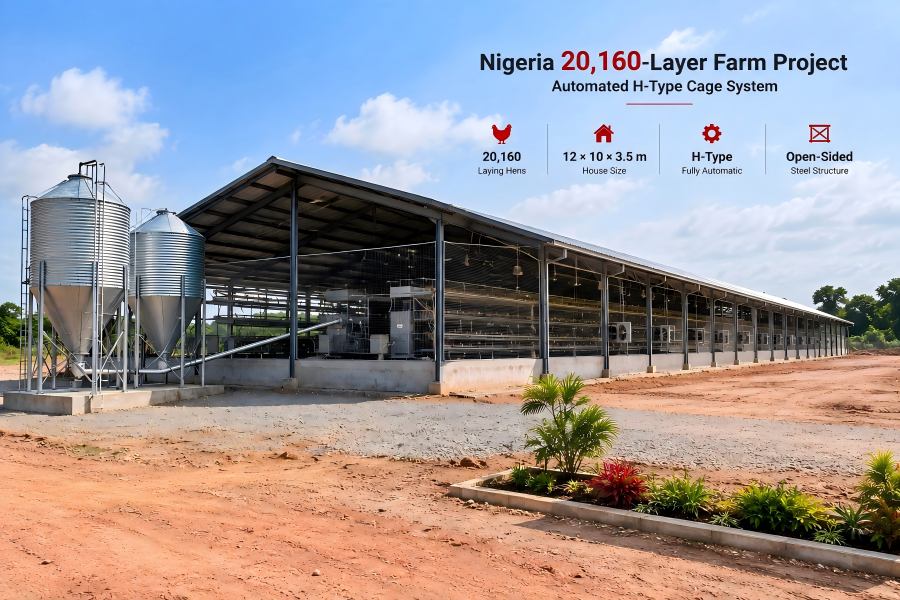




Quick Answer: Which Supplier Can Deliver a Site-Ready Project?
In a poultry equipment manufacturer vs distributor comparison, neither route is automatically better. Shortlist the supplier that can document who makes the equipment, explain the engineering, and identify who checks utilities, installation and after-sales support. A manufacturer may offer direct access to engineering; a distributor may coordinate local services. Verify both for your project.
Give candidates the same brief and request comparable layouts, capacity calculations, inspection evidence and responsibility assignments. Compare complete proposals—not just cage prices. A factory video does not establish that equipment will fit your house or that a service is included.
Poultry Equipment Manufacturer vs Distributor: Which Route Fits the Project?
| Purchasing route | Evidence and parameters to verify | Potential advantage | Limitation and application condition | Investment and implementation check | Selection rule |
|---|---|---|---|---|---|
| Direct manufacturer | Production entity, in-house components, engineering contact, layout and capacity assumptions | Direct technical discussion may help with design changes. | Factory access does not establish site-service availability; confirm installation arrangements. | Compare freight, site preparation, installation and support alongside equipment scope. | Consider when documented engineering and delivery responsibilities match the farm. |
| Distributor | Actual manufacturer, distribution relationship, specifications, design approval process and service resources | Demonstrated local coordination may simplify communication and installation. | Engineering and warranty authority may involve another company; establish who decides and pays. | Compare delivered and installed scope, including parts and warranty handling. | Consider when distributor and producer document their respective responsibilities. |
Use actual proposals and inspection records to compare quantities, materials, electrical requirements and services. Neither channel should be assumed cheaper, technically stronger or locally available.
What Evidence Should Buyers Request Before Shortlisting?
Confirm the seller and production site
Check the legal name on the registration, quotation, contract and payment instructions. Identify the production-site entity and its relationship to the seller. Different entities can have legitimate roles, but the supplier should identify who accepts contractual responsibility.
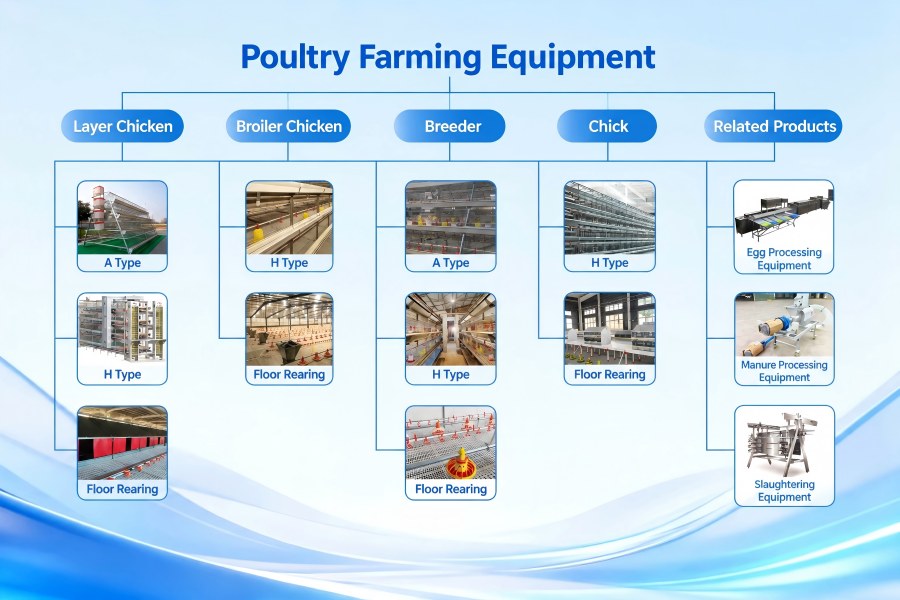
Request a component list showing what is produced in-house and what is purchased. A live factory walkthrough or independent inspection can help check claimed processes, but footage alone does not establish ownership, capacity or quality. For a distributor, ask for evidence of its relationship with the producer and who can approve design changes.
LIVI Machinery states that its production activities include welding, component production and equipment assembly. It also describes a design team that supports house layouts and configurations. These company statements are a starting point for inspection, not independent audit findings.
Check quality records and references
Request material specifications, relevant wire or frame dimensions, surface-treatment details, weld inspection procedures and functional-test records. Ask how nonconforming parts are handled and what will be checked before shipment. Match the proposed bill of materials to inspection records and equipment.
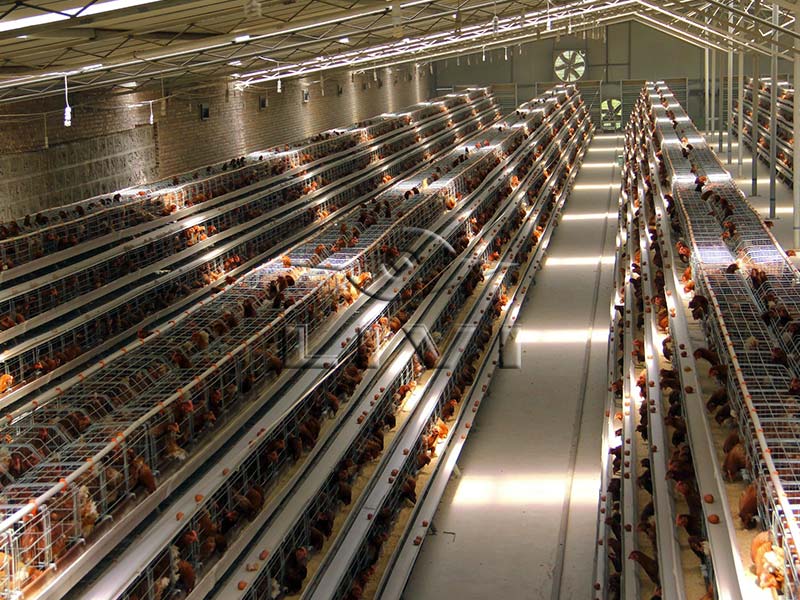
Request references for a comparable poultry stage, housing method and equipment scope. Establish whether each concerns a planned, installed or operating project and what work the supplier performed. With permission, contact the reference independently. A photograph alone does not establish performance or service quality.
Screen Poultry Equipment Suppliers With Clear Evidence
Share your project location, poultry type, planned flock and supplier questions with LIVI to discuss the documents needed for an informed shortlist.
What Project Information Should Buyers Provide Before Requesting a Layout?
Provide the poultry type and production stage, housing method, planned flock, expansion objectives and available labor. State whether the project is a new house, renovation or addition to existing equipment. Share the same brief with every shortlisted supplier.
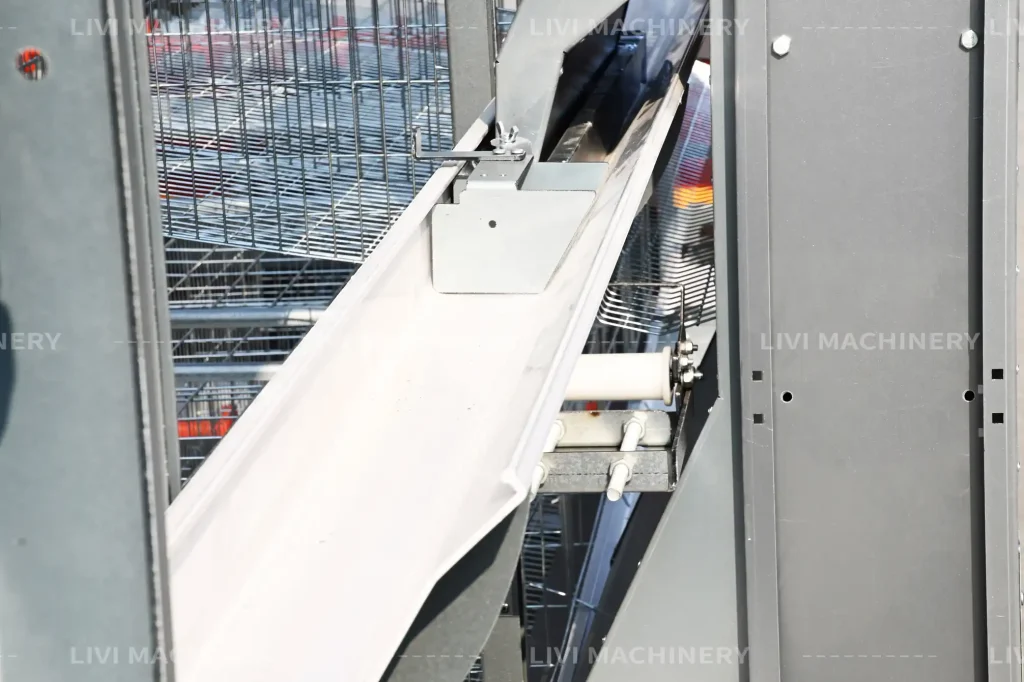
Measured drawings should show internal length, width and height, columns, roof restrictions, doors, openings, floor conditions and existing services. Include access routes and photographs of connection points. Ask which measurements require confirmation before final design.
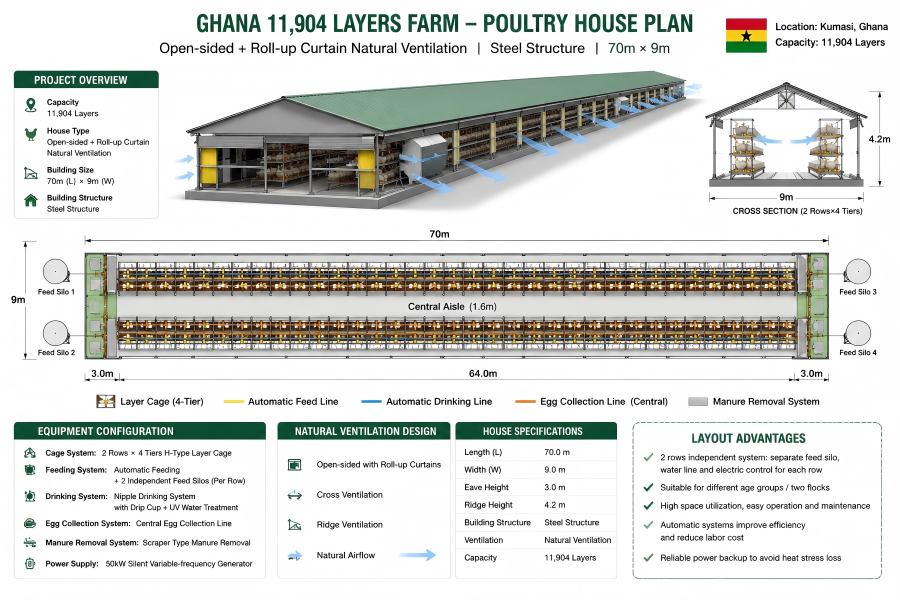
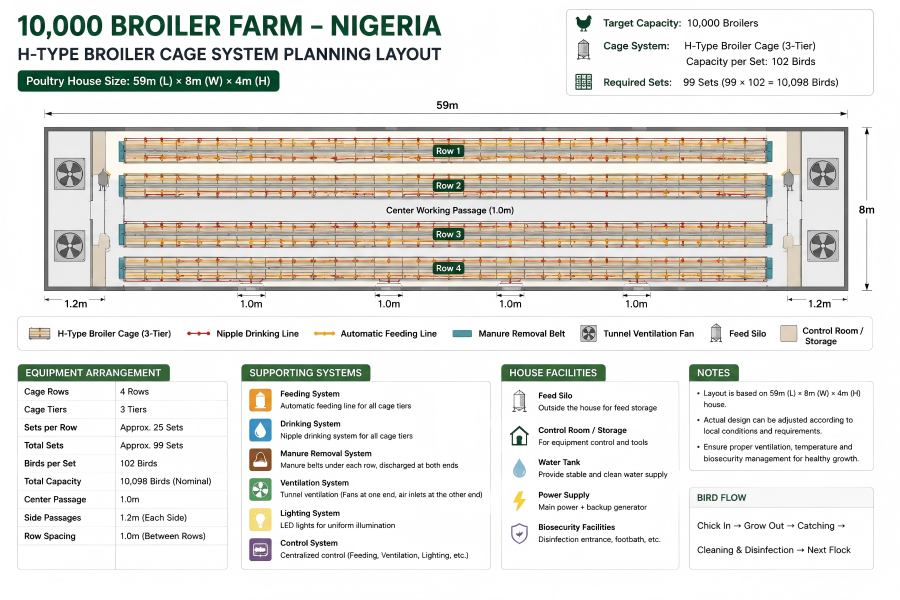
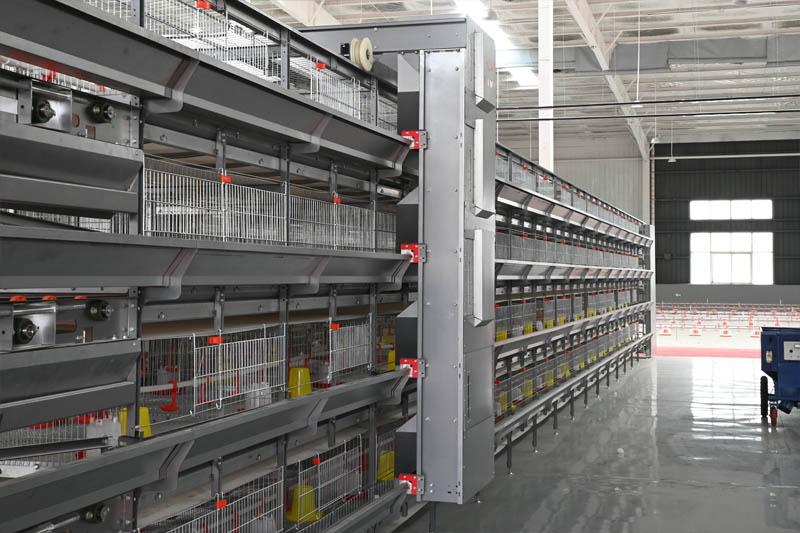
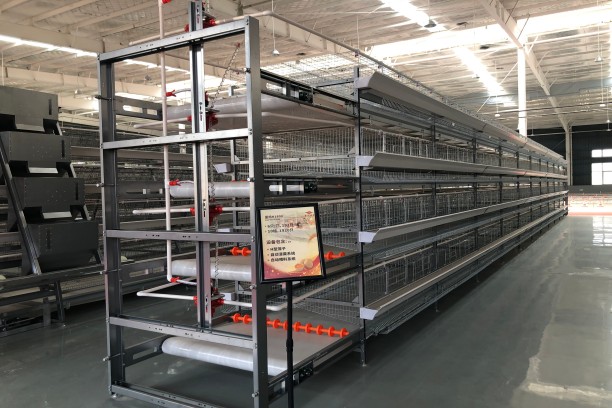
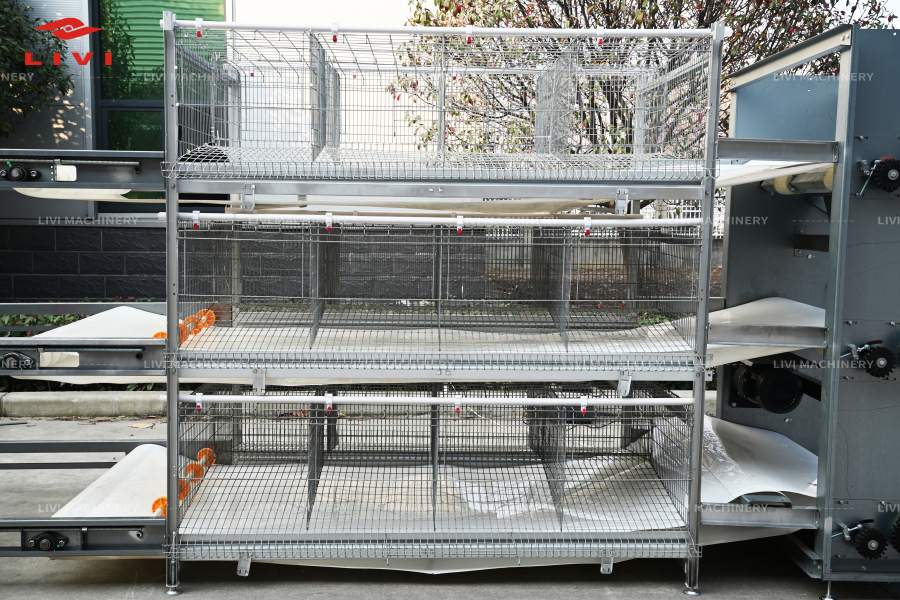
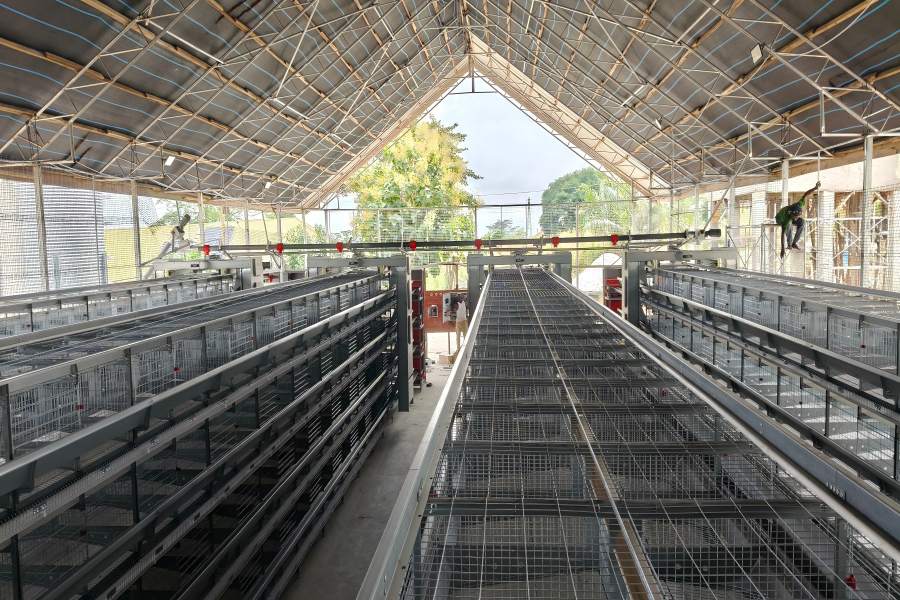
A poultry house equipment layout should show rows, tiers where applicable, aisles, end clearances, maintenance access and connections. For an A Type Layer Cage System, ask how feeding, drinking, manure removal and egg collection equipment fits the proposed arrangement rather than assuming all configurations share the same interfaces.
Request a capacity calculation connecting usable area or compartments, occupancy assumptions and equipment quantities. Design capacity is not the same as birds actually placed. Review stocking assumptions and applicable housing and welfare requirements with responsible local parties.
Specify which functions should be manual, semi-automatic or automatic. Automatic feeding or manure removal may reduce routine manual work but introduces controls and maintenance requirements. Ask what space, electrical capacity and connection points must be reserved for later expansion.
Who Checks Site Utilities, Delivery and Installation Readiness?
Responsibilities follow the agreement, not the sales channel. Use a written matrix naming who supplies measurements, prepares the design, checks readiness, completes connections and signs off each stage. Confirm who pays for corrective work if site conditions differ from design assumptions.
Power: Request a project-specific load schedule covering motors, controls, normal operation and startup. Compare it with site voltage, phase, frequency and available supply. Have qualified electrical personnel assess protection, distribution and any backup requirements.
Water and climate: Confirm the water source, quality, pressure and flow, along with filtration and connection responsibilities. Provide local temperature and humidity information to the designer. Review ventilation and any cooling or heating requirements against the actual house and flock plan. Confirm permits and applicable local standards with qualified local parties.
Review Your House Layout and Site Requirements
Provide house dimensions or drawings, expansion plans, water and power conditions, and automation priorities so the proposed equipment scope can be discussed.
Delivery and installation: Agree on freight boundaries, insurance, customs, taxes, inland transport, unloading, storage and site access. Name the provider and payer for labor, supervision, electrical connections, commissioning and training. A delivery term alone does not establish site readiness or installation coverage.
LIVI states that it can provide packing lists, installation materials, equipment instructions and after-sales technical support. Confirm which documents and services apply to the proposed configuration and destination before ordering.
How should the design be controlled before shipment?
Identify the drawing revision used for the equipment list and quotation. If a column position or utility connection changes, request an updated layout and changes to components, responsibilities or charges. Obtain project-team approval before authorizing production against the revised design.
For equipment from different companies, identify mechanical and electrical connection points. Agree who checks those interfaces and resolves a mismatch, especially when a distributor coordinates equipment with existing site systems.
How Should Buyers Test a Proposal Before Approving It?
Consider a manufacturer proposal and a distributor proposal prepared from the same farm brief. Trace each proposed capacity back to the layout and occupancy assumptions. Check whether the equipment list includes the connections shown on the drawing and identifies who is responsible for integration.
Review expansion space and utilities against the planned later stage. Clarify an expansion promise if the proposal does not show reserved space or explain utility allowances. Check that maintenance access remains practical after additional equipment is installed.
Compare equivalent automation scopes and the same assessment period for maintenance and spare parts. Add freight, insurance, import charges, unloading, site works, installation and training to the equipment price. Review warranty coverage, exclusions, claims handling and replacement-part delivery. The lowest initial equipment price is not necessarily the lowest complete project cost.
Compare Delivery and Installation Responsibilities Before Ordering
Share your destination, installation expectations and spare-parts priorities with LIVI to discuss a proposal scope you can compare with other suppliers.
What should happen at handover?
Agree how packages will be counted, damage recorded and discrepancies reported. During commissioning, document equipment checks, operator training and unresolved issues. Identify who corrects each issue and how acceptance will be recorded. Keep final drawings, the component list and spare-parts identification with maintenance records.
FAQ
1. How can a buyer verify poultry equipment manufacturer credentials?
Check the seller’s legal registration, the production-site identity and the relationship between them. Compare claimed manufacturing activities with inspection evidence, product documents and the contracting party. Ask which components are made in-house or sourced elsewhere, and verify relevant project references independently where possible.
2. How should poultry house equipment layout be planned for a commercial poultry farm?
Start with measured house drawings, poultry stage, planned flock and housing method. Request an arrangement showing equipment, access and service clearances, then check the capacity calculation and system interfaces. Review reserved expansion space against final site measurements and confirm applicable local housing requirements with responsible parties.
3. How should poultry equipment power consumption be planned for a commercial poultry farm?
Ask the equipment supplier for a project-specific load schedule and compare it with the site’s voltage, phase, frequency and available supply. Include normal operating loads, motor startup loads and controls. Assign qualified electrical personnel to assess distribution, protection and any backup-power requirements before installation.
4. Who is responsible for installation and after-sales service when importing poultry equipment?
The contract determines responsibility; it does not automatically follow from buying through a manufacturer or distributor. Before ordering, identify who provides and pays for site preparation, labor, supervision, electrical connections, commissioning and training. Also name the parties handling warranty claims, troubleshooting and replacement parts.
5. What additional costs should buyers compare in manufacturer and distributor quotations?
Compare freight, insurance, import charges, inland transport, unloading, utilities, installation and training alongside equivalent equipment and automation scopes. Review spare parts, warranty exclusions and ongoing maintenance over the same assessment period. A lower equipment price alone does not establish a lower total project cost.
6. What should buyers check before accepting remote installation support?
Confirm that the guidance covers the actual equipment configuration and identify the local team responsible for assembly, electrical connections and commissioning. Agree on drawings and instructions, communication methods, troubleshooting procedures and any conditions or charges for additional on-site assistance. Ensure qualified personnel handle the site work.
TAGs: poultry equipment manufacturer vs distributor, poultry equipment supplier comparison, poultry equipment manufacturer credentials, poultry house equipment layout, poultry equipment power consumption, poultry equipment remote installation support