




Quick Answer: How to Choose a Reliable Poultry Equipment Supplier
Give every supplier the same farm brief, then assess its response against your house, flock and operating requirements. Check who makes critical components, how quality is documented, what the quotation includes and who is responsible for delivery, installation and support. Shortlist suppliers with documented project fit, not just attractive prices or reassuring labels.
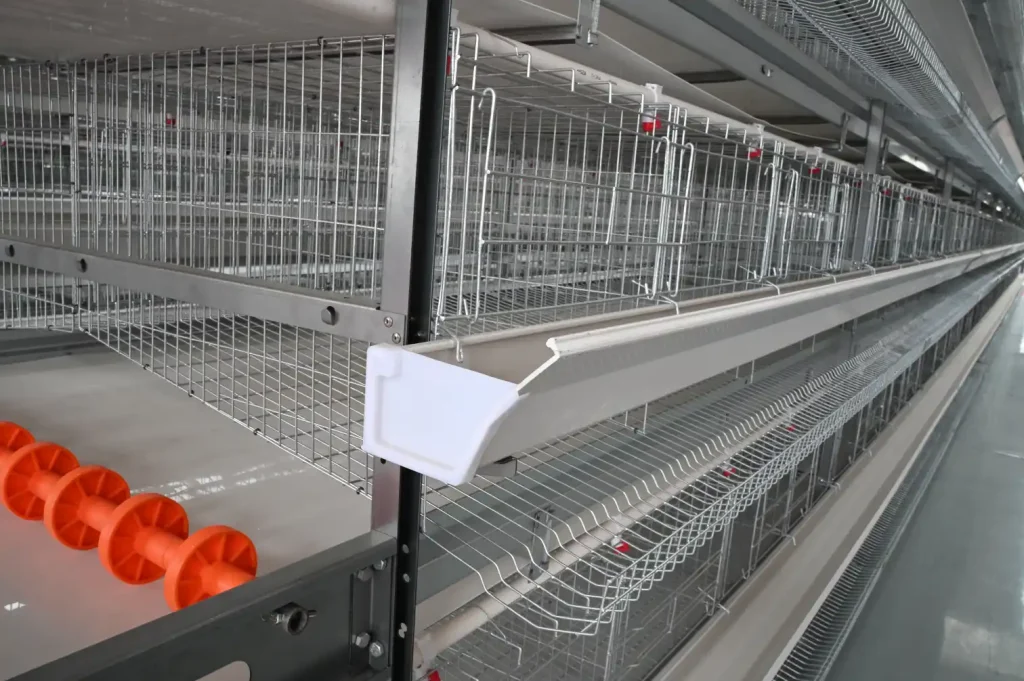
Use a buyer-created scorecard to record evidence and follow-up questions. Keep critical safety, welfare, utility compatibility and contractual responsibilities as separate decision gates: a strong assessment cannot compensate for an unresolved problem. LIVI's A45-41 Layer Cage Drinking System provides a useful configuration comparison because its round pipe is the standard option and a square pipe is an alternative.
What Farm Brief Makes Supplier Proposals Comparable?
Send each candidate the same requirements before asking for a proposal. Include:
- Bird type and production stage, planned flock and future expansion.
- Available land, house length, width and height, building constraints and existing equipment.
- Desired automation, available operators, maintenance skills and budget priorities.
- Site temperature and humidity conditions, existing ventilation and cleaning practices.
- Electricity voltage, phase and reliability; water quality, pressure and supply continuity; and any planned backup arrangements.
- Delivery access, available installation labour and the support needed after handover.
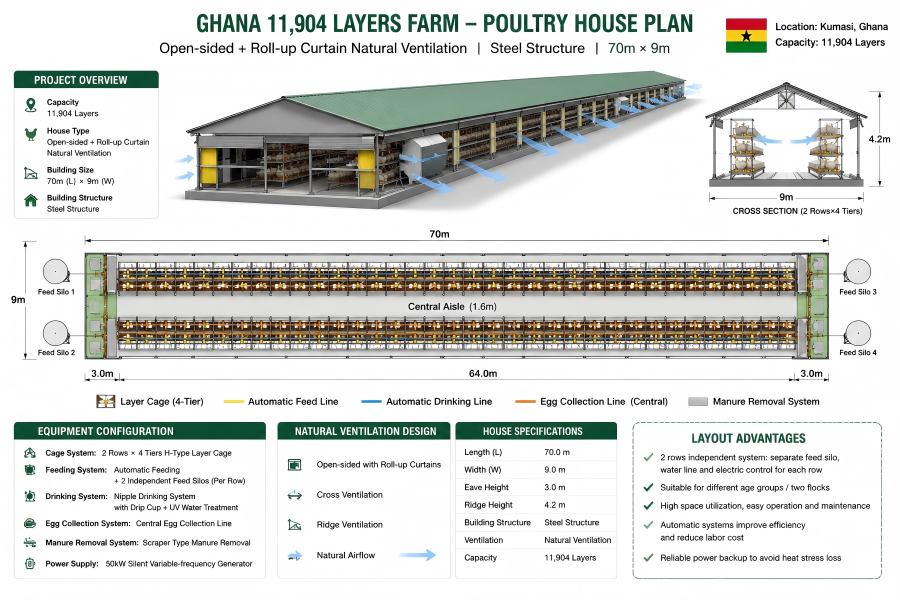
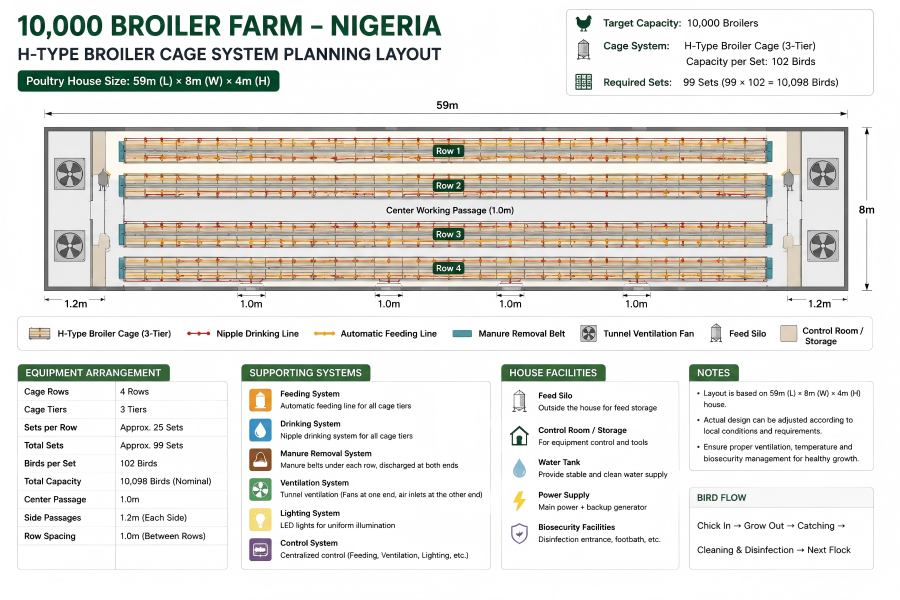
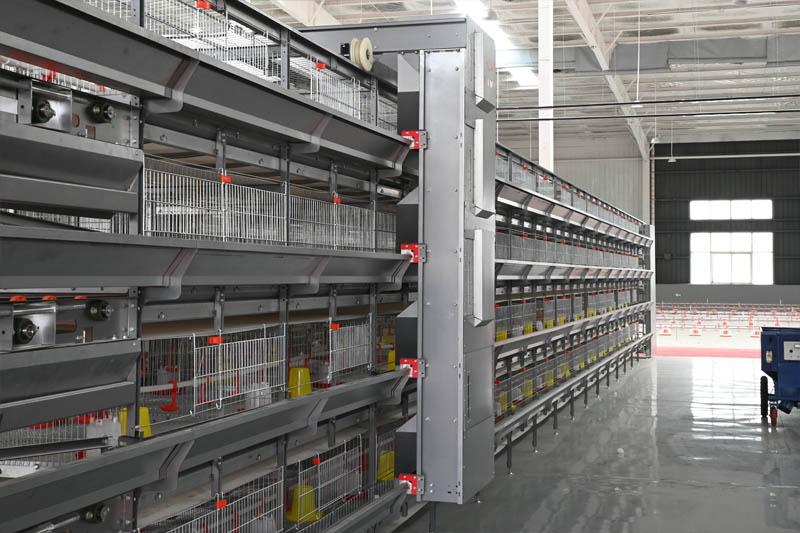
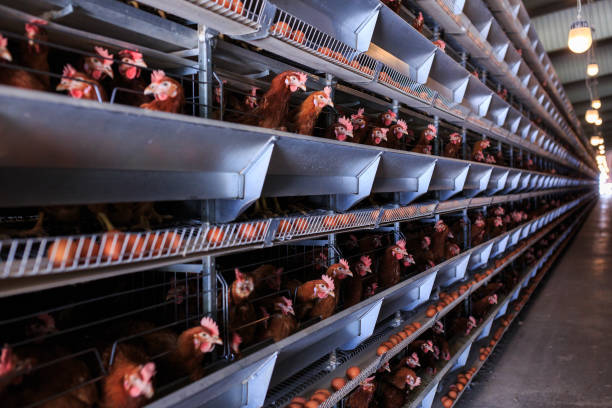
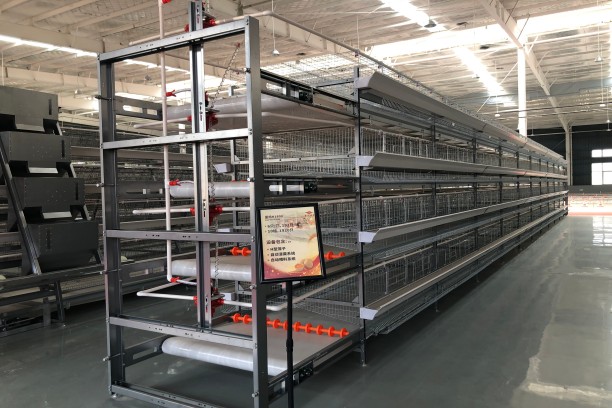
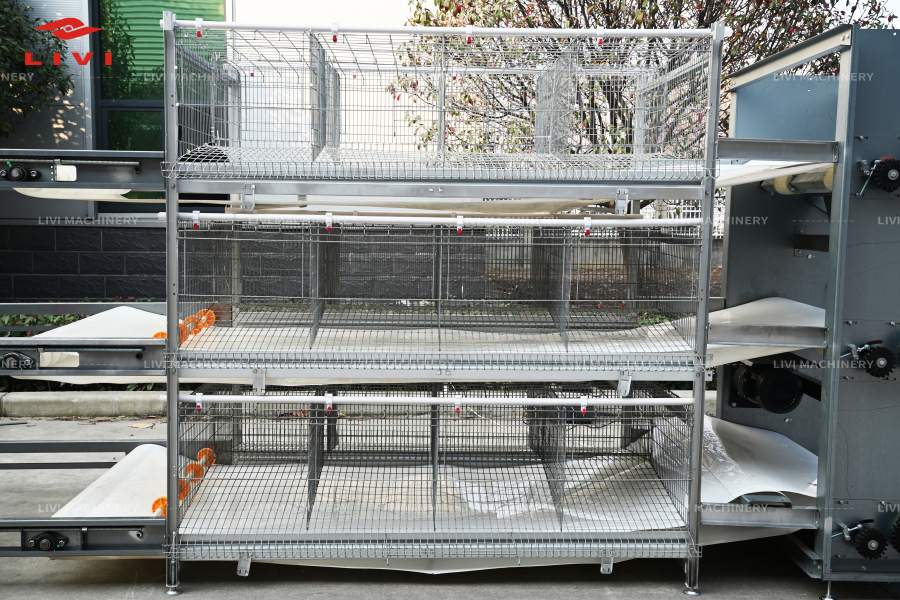
Ask for a layout showing cage rows, service aisles, equipment interfaces and space for expansion. A Layer Cage System should be assessed against the proposed bird space and capacity, not only its footprint. Have the supplier explain its assumptions, and confirm final capacity and applicable welfare requirements locally.
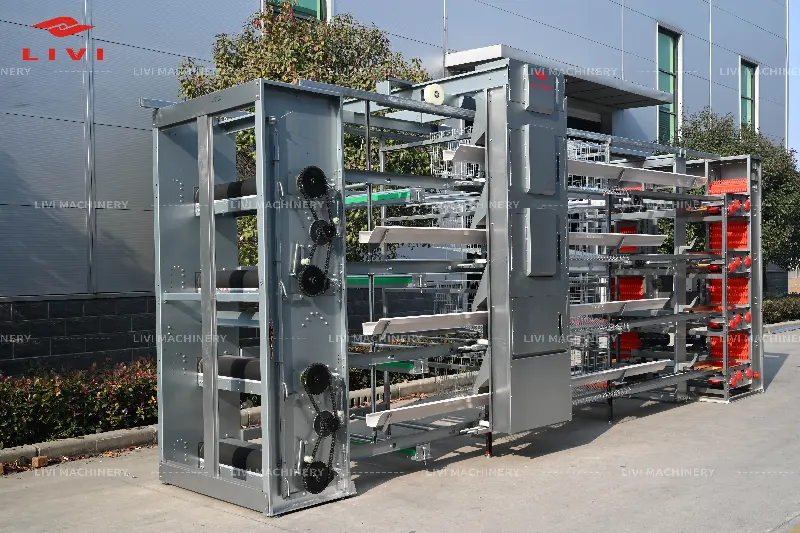
For a proposed A Type Layer Cage System, check how the Feeding System, Drinking System, Egg Collection System and Manure Removal System connect to each other and to the building. If the house is already built, columns, doors and utility connection points may restrict the arrangement. Ask the supplier to identify any structural or electrical work that must be reviewed by a local professional.
LIVI describes house-layout and equipment-configuration support based on farm scale, dimensions, climate and budget. The buyer still needs to provide site inputs and confirm the final layout and local compliance. Ask local advisers which permits, electrical requirements, import procedures and welfare provisions apply to the site.
Prepare Your Farm Brief for Supplier Screening
Share your country, bird type, planned flock, house dimensions, water and power conditions, and automation goals with LIVI to discuss a project-specific equipment configuration.
How Can a Project-Match Scorecard Produce a Defensible Shortlist?
Create a scorecard for each candidate. For every criterion, record the document or observation supporting the assessment and the action needed to close an open question. Use the same evidence requirements for every supplier.
| Criterion | Evidence to request | Assessment | Follow-up and decision impact |
|---|---|---|---|
| Project fit | Layout, capacity assumptions and system interfaces | Suitable, partial, mismatch or pending | Confirm clearances and bird space; an incompatible layout blocks approval. |
| Production roles | Contracting entity, production site and component makers | Suitable, partial, mismatch or pending | Verify who makes critical parts and who handles defects. |
| Quality control | Material specifications, samples and inspection plan | Suitable, partial, mismatch or pending | Agree acceptance checks for the actual order. |
| Relevant experience | Comparable equipment and delivery references | Suitable, partial, mismatch or pending | Check whether the reference concerns shipment or installation. |
| Quotation and delivery | Item list, exclusions and delivery responsibilities | Suitable, partial, mismatch or pending | Add buyer-assigned costs before comparing offers. |
| Installation and service | Written guidance, training, warranty and parts scope | Suitable, partial, mismatch or pending | Assign site work and service responsibilities. |
Mark a response suitable when evidence substantiates its fit, partial when evidence supports only part of it, and mismatch when evidence demonstrates that it does not meet the requirement. Mark unanswered questions pending. Compare assessments only when the same criteria have been reviewed for each candidate. This is a buyer's assessment tool, not a certification.
Suppose a proposal specifies the standard round pipe for an A45-41 while another proposes the square option. Do not rate project fit from the pipe shape alone. Ask both suppliers to identify fittings, pressure control, installation scope and the replacement process. Assess each response only after it can be reviewed against the same water-supply brief.
Before advancing a candidate, separately resolve critical safety, welfare, utility and responsibility issues. Avoid treating catalogue claims as inspection evidence, assuming a trading company cannot coordinate production, comparing different service scopes, or counting an unconfirmed future upgrade as included.
What Evidence Supports Production and Quality Claims?
Verify the legal contracting entity, the production location and the makers of critical components. A manufacturer may provide direct access to its production team; a trading company may coordinate several component makers. Neither label proves reliability. In either case, establish who controls specifications, arranges inspections and accepts contractual responsibility for defects.
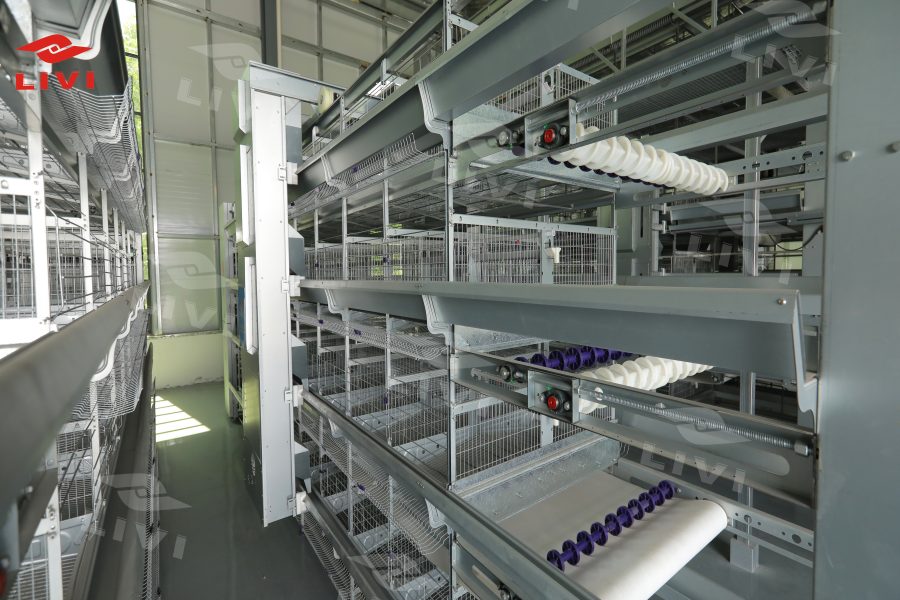
Request a live production walkthrough or order-relevant factory video, supported by specifications and inspection records. Ask for relevant project references and distinguish equipment shipped from equipment installed or operating. Contact a reference only with permission. A factory video or certificate can support screening, but neither establishes the quality of the specific order by itself.
LIVI Machinery reports capabilities in welding, component production and equipment assembly. Ask it, as you would any candidate, to identify the production roles and checks applicable to the proposed order.
For cage quality, request the base material, wire dimensions by component, weld details and surface-treatment process in writing. Compare those details with samples or inspection records. Clarify whether mesh is welded before surface treatment or made from treated wire, and agree how coating and weld condition will be checked. Include dimensional checks, identification of motors and controls, and inspection of moving-system interfaces where relevant.
Agree on order-specific acceptance criteria and inspection rights before production. An independent pre-shipment inspection may be appropriate when the buyer needs additional verification; define who arranges it and pays for it.
Which A45-41 Drinking System Option Fits the Project?
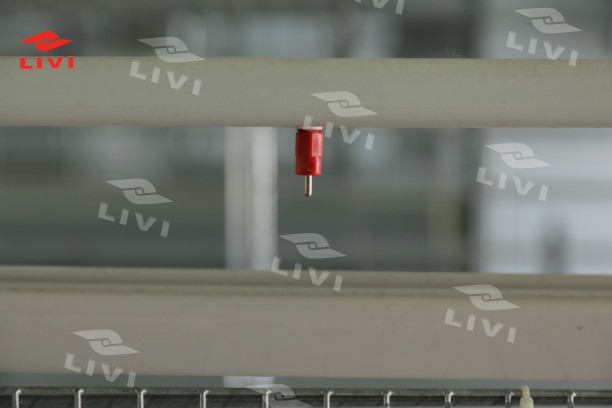
LIVI documents a standard round pipe and an alternative square pipe for the A45-41 Layer Cage. Their practical value depends on the complete Drinking System and the farm's water supply, not on shape alone.
Review Your Layer Cage Configuration Options
Send your house layout, flock target, water supply details and preferred equipment options to discuss how an A45-41 configuration could fit your farm.
| Option | Procurement advantage | Limitation and application check | Investment or implementation check | Selection rule |
|---|---|---|---|---|
| Round water pipe: standard option | A defined starting configuration for the proposal. | Check supply pressure, fittings, cleaning access and replacement arrangements. | Compare the complete quoted water-line and installation scope. | Consider it when the documented arrangement matches the site and maintenance plan. |
| Square water pipe: alternative option | Provides another configuration to discuss. | Confirm fittings, pressure regulation and compatibility with the proposed Drinking System. | Ask for equipment, fitting and installation differences at quotation stage. | Consider it when the complete alternative is documented and suits the project's requirements. |
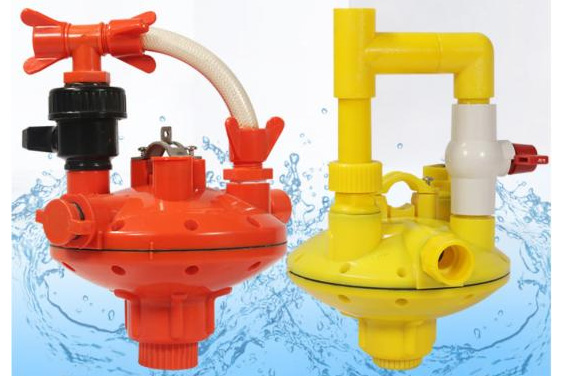
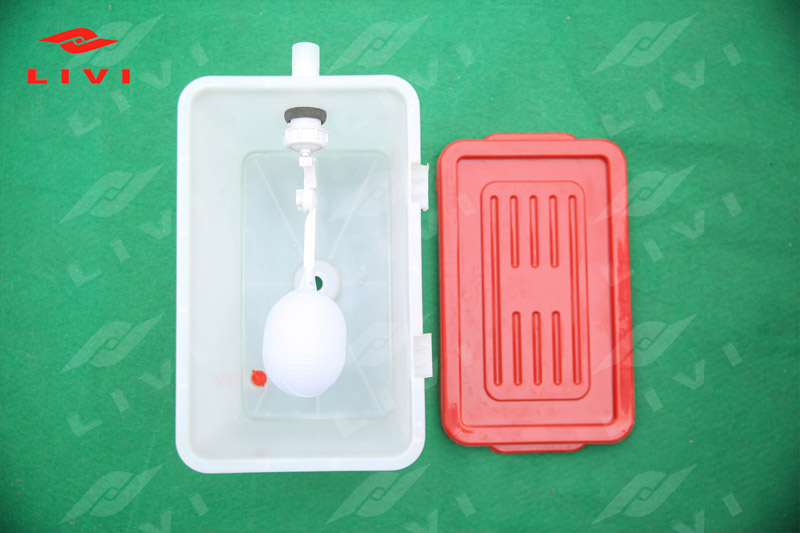
Confirm quantities, compatibility and cost in the final proposal. A pressure-reducing water tank is documented as a standard A45-41 component option; establish the actual pressure-control arrangement and its connection to the selected pipe in writing. Neither pipe is automatically more reliable or economical.
How Should Automation Fit the Farm's Operating Plan?
Compare the work the farm intends to automate with the labour and utilities available. A package with manual tasks may suit an operation able to staff them consistently; a more automated package may suit a buyer prioritising reduced manual handling, provided power, maintenance capability and backup procedures are addressed.
For an A45-41 proposal, ask which feeding, manure-removal and egg-collection arrangements are included and what remains manual. Check feeder travel and service clearance in the layout, the route for manure removal, and how eggs reach the collection point. An automated component does not make every connected task automatic.
If expansion or later automation is planned, ask the supplier to identify interfaces and changes required in the initial installation. Treat an upgrade as a future option unless its equipment, cost and implementation responsibilities are explicitly included in the agreement.
Which Delivery and Service Boundaries Change Lifecycle Value?
Compare quotations at equivalent boundaries. Equipment cost covers the items in the offer; a landed-cost comparison adds applicable freight, insurance, destination and import charges assigned to the buyer; an installed-cost comparison also considers inland delivery, unloading, labour, utilities, installation and commissioning. Add only costs relevant to the agreed scope and avoid counting the same item twice.
Request quantities, fittings, controls and exclusions alongside the delivery term and named transfer point. Assign responsibility for packing, inspection, damage, shortages and unloading. A lower equipment price may leave more work with the buyer; a higher price is not automatically better either.
Remote guidance, on-site supervision and complete installation are different services. Specify local labour, tools, engineer travel, utility connections, commissioning and operator training. LIVI states that it can provide packing lists, installation materials and technical support, as well as remote or on-site guidance; confirm availability, charges and scope for the project.
Define Installation Guidance for Your Project
Provide your project location, house dimensions, equipment scope, local labour availability and desired support level to discuss remote guidance or on-site engineering arrangements.
Before ordering, approve the layout and specifications. At arrival, check quantities and damage against the packing list. Then test contracted systems against agreed acceptance criteria, complete the agreed training and record open issues. Request warranty start and exclusions, service contacts, critical part identification and spare-parts dispatch arrangements in writing.
FAQ
1. How do I choose a reliable poultry equipment manufacturer?
Compare manufacturers against the same farm brief and shortlist those that document a suitable configuration and clear responsibilities. Request the proposed layout, component specifications, inspection evidence and relevant project references. Check who produces critical components and who handles delivery, installation support and defects rather than relying on a manufacturer's label alone.
2. Can a trading company be a reliable poultry equipment supplier?
Yes. A trading company can be a credible candidate if it identifies the manufacturers, coordinates quality checks and accepts clearly defined contractual and service responsibilities. Apply the same evidence requirements used for a manufacturer, including production locations, inspection records, component identification and the process for resolving defects after delivery.
3. How should a buyer check Layer Cage quality before ordering?
Request written specifications for the cage material, wire dimensions, welds and surface treatment, then compare them with samples or inspection records. Agree on inspection and acceptance criteria for the actual order, including component identification and dimensions. Appearance or a certificate alone does not establish that the cage suits the project.
4. What should be included in a poultry equipment quotation?
A useful quotation identifies equipment quantities, configurations, fittings, controls, delivery terms, exclusions and installation, commissioning and training responsibilities. Check which freight, import, site labour and utility costs remain with the buyer. Review warranty and spare-parts terms before comparing the total cost and service scope with another offer.
5. How should a scorecard handle unanswered supplier questions?
Mark unanswered items as pending and request the specific evidence or written scope needed to assess them. Compare assessments only when suppliers have been reviewed against the same criteria. Resolve critical safety, welfare, compatibility and contractual responsibility issues separately; a strong assessment elsewhere should not override them.
TAGs: poultry equipment supplier scorecard, poultry equipment supplier selection criteria, poultry equipment manufacturer, Layer Cage quality inspection, poultry equipment quotations, A45-41 Drinking System