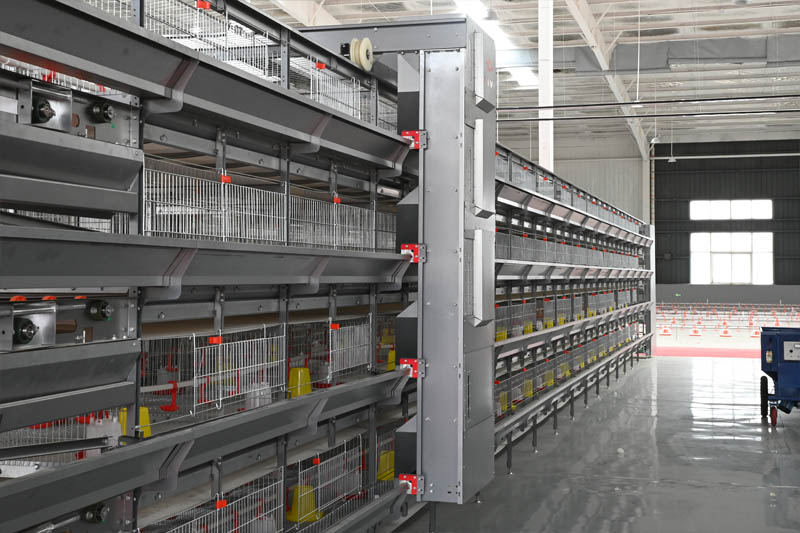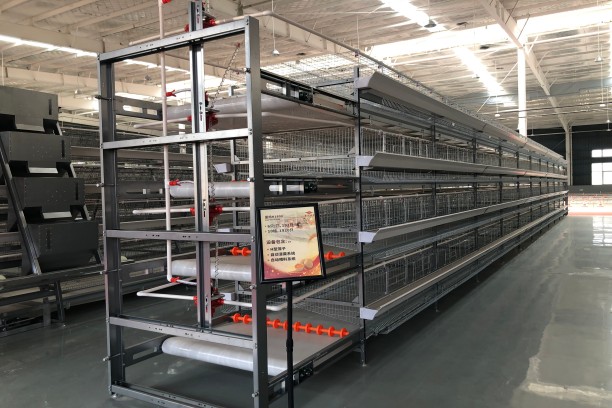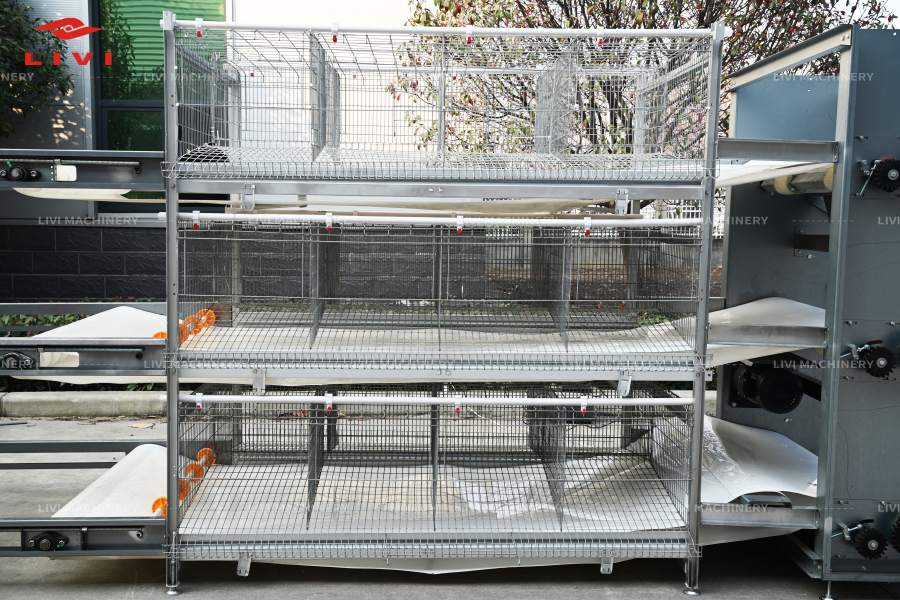




An A type layer cage system for 50,000 chickens in Kenya should be assessed as a complete farm project, not selected from bird number alone. The supplied LIVI A-Type Layer Cage reference applies to 5,000–30,000 birds. A 50,000-layer target is therefore outside that documented reference range and requires project-specific technical review before a layout, cage quantity, automation scope, delivery plan, or installation plan is approved.
Quick Answer: What Must Be Verified Before Selecting an A-Type System for 50,000 Layers in Kenya?
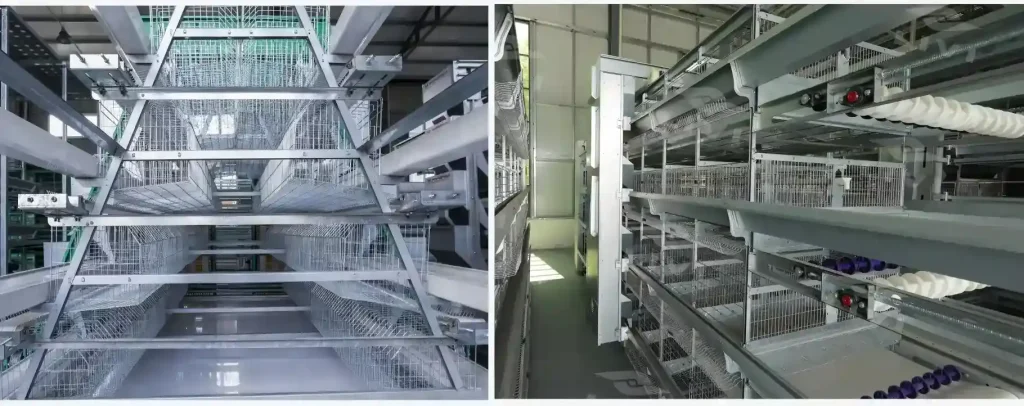
The documented A-Type Layer Cage uses Q235 steel with hot-dip galvanizing and an A-Type tiered structure. Its description also refers to intelligent feeding and cleaning systems, with a stated 15–20-year service-life reference. These are product-reference facts, not a Kenya-specific warranty, guarantee, or operating result.
Planning a 50,000-Layer Farm in Kenya?
Share your flock target, poultry type, site or house dimensions, water and power conditions, and automation priorities for a fact-based project discussion.
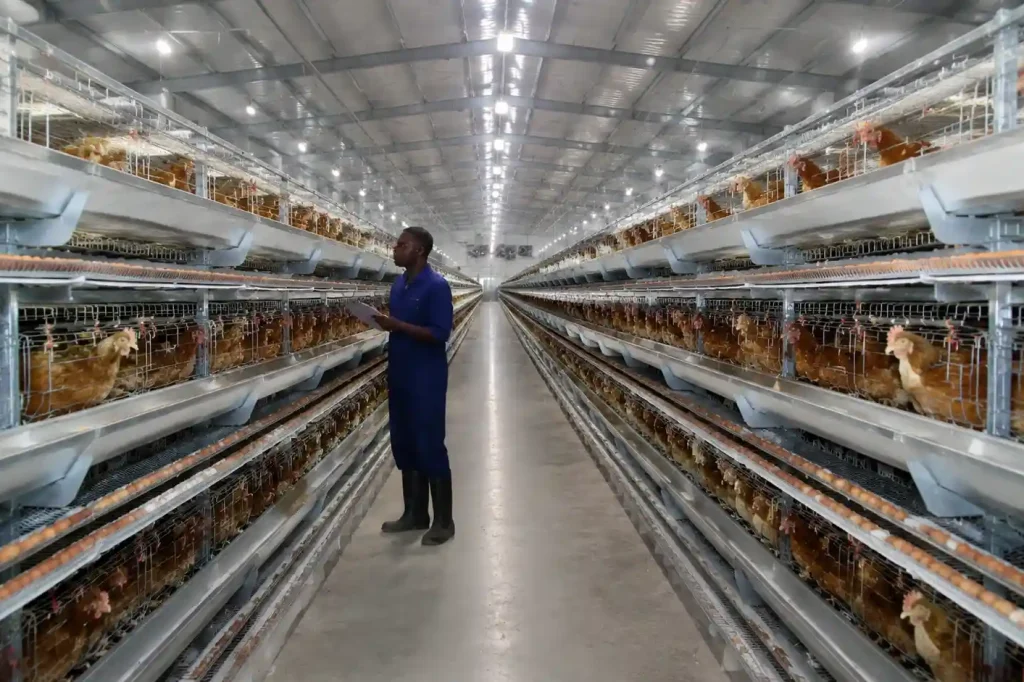
For 50,000 layers, the buyer and supplier need to verify the house or site, layout, water and power conditions, automation priorities, manure route, egg-handling needs, delivery arrangements, and installation conditions as one project. No Kenya-specific cage quantity, house size, tier count, equipment capacity, price, installation status, or operating result has been supplied.
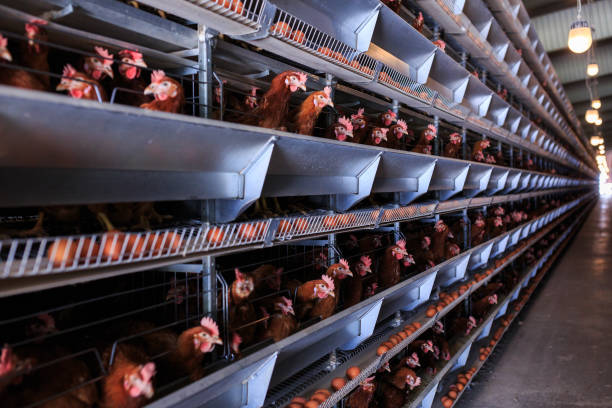
Commercial farms can house laying hens in cages, but equipment choice does not replace building and management planning. FAO poultry housing guidance identifies cages as one commercial layer-housing approach.
Documented A-Type Layer Cage Facts and Kenya 50,000-Layer Verification Items
| Decision Item | Documented Product Reference | What Must Be Confirmed for a 50,000-Layer Kenya Project |
|---|---|---|
| Product reference range | 5,000–30,000 birds | 50,000 birds require project-specific technical review. |
| Material and finish | Q235 steel; hot-dip galvanizing | Final order material scope and inspection requirements. |
| Cage structure | A-Type tiered structure | Tier count, dimensions, cage quantity, bird positions, aisles, and house layout. |
| Supporting functions | Intelligent feeding and cleaning systems described | Final Feeding, Drinking, Manure Removal, Egg Collection, Ventilation, Climate Control, lighting, and electrical scope. |
| Service-life reference | 15–20 years | Contractual service responsibilities; this is not a warranty or project guarantee. |
The key procurement distinction is simple: documented product facts do not establish a 50,000-layer Kenya design. A supplier comparison should separate verified product information from items that require approved drawings, quantities, interfaces, and a final commercial scope.
Why Is a 50,000-Layer Kenya Project a Lifecycle Decision Rather Than a Cage-Only Purchase?
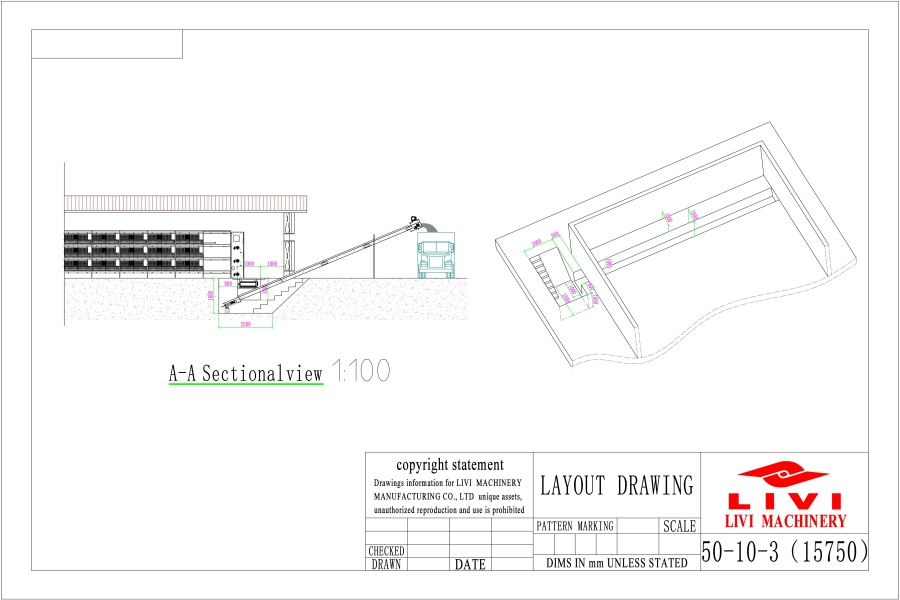
At this scale, the proposed system must work with the house footprint, access routes, water source, electrical interfaces, feed movement, manure handling, egg transfer, delivery access, and daily management method. Comparing cage prices without these interfaces can leave major project risks unresolved.
The supplied information does not support assumptions about Kenya’s climate, electricity reliability, local regulations, labor cost, egg price, operating cost, or return on investment. These inputs should come from the buyer’s actual site and business plan, not another country’s project.
The technical review should determine whether an A-Type approach can be engineered for the target scale, whether multiple production units or a phased arrangement should be considered, or whether another arrangement should be evaluated. None is a confirmed recommendation for this project.
FAO management guidance notes that accessible locations, reliable water supply, and well-drained ground are relevant to confined poultry systems. These general planning principles do not provide Kenya-specific specifications.
What Does the Supplied Nigeria A-Type Reference Case Show—and What Does It Not Confirm for Kenya?
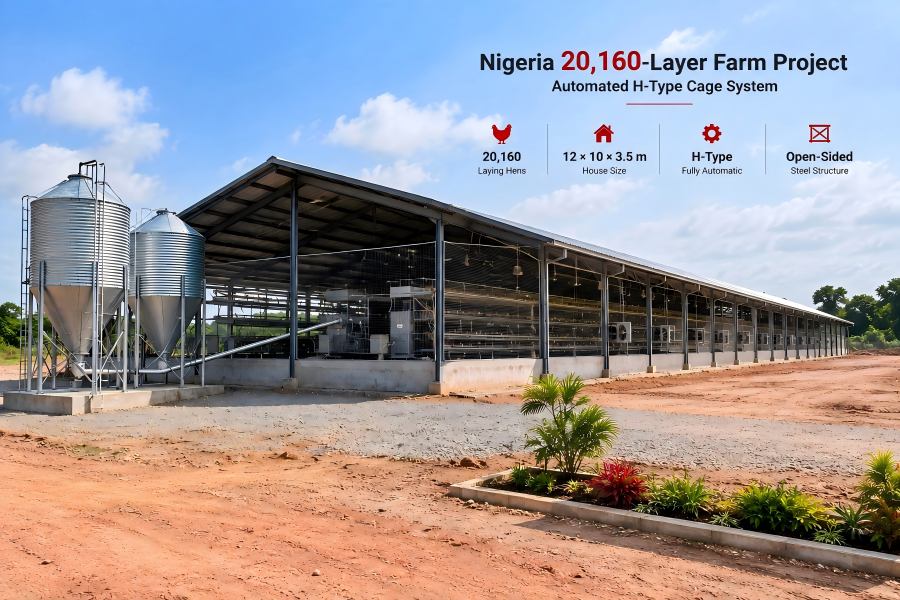
The authorized source identifies a Nigeria A-Type layer-cage solution associated with 20,000 layers. It documents a different product-and-scale context. It is not a Kenya case, not a 50,000-layer project, and not evidence that a Kenya configuration has been delivered or validated.
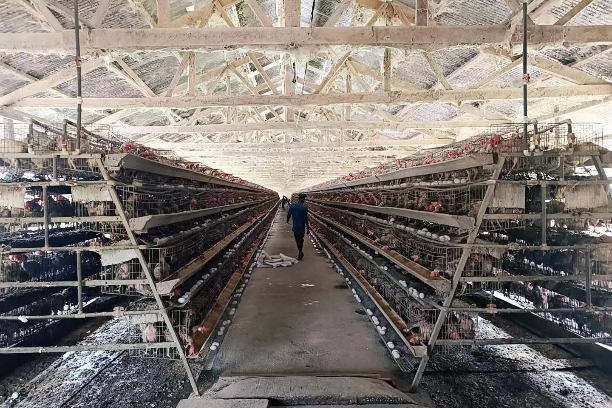
The source describes automated feeding, manure cleaning, and egg collection language for the A-Type solution. However, its structured case record does not confirm a final equipment list, house dimensions, cage quantity, installation duration, project status, commissioning progress, operating data, customer feedback, price, revenue, or ROI. These items cannot be transferred to Kenya.
Use the Nigeria source only as a limited reference that a 20,000-layer A-Type solution has been documented. The Kenya target needs new technical documentation and an approved project scope.
What Should Be Confirmed Before Delivery to Kenya Is Released?
The supplied product information lists FOB and CIF as quotation methods. The applicable term must be agreed for the specific order. Packing method, transport method, container-loading quantity, freight cost, transit time, route, port, import requirements, and destination handling have not been supplied and should not be estimated.
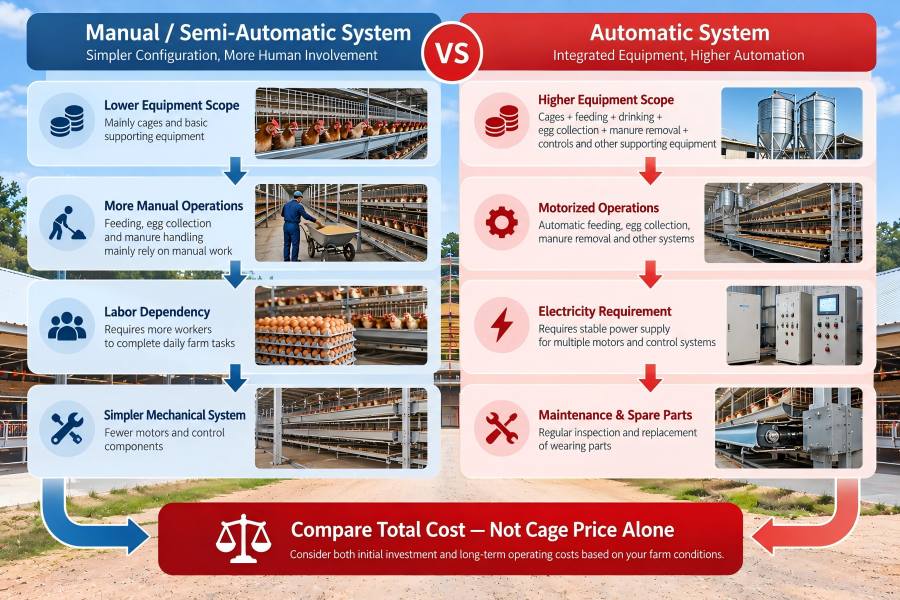
Compare A-Type Layer Cage System Options
Request a technical review that separates documented A-Type product references from the layout, equipment scope, delivery, installation, and service details your project still needs.
Before shipment release, align the approved equipment list with delivery documents, packing details, receiving access, unloading resources, secure storage, and installation sequence. Request a clear separation between included equipment, optional equipment, site-supplied infrastructure, spare parts, wear parts, and buyer responsibilities.
Implementation Steps for a Fact-Based Project Review
- Confirm poultry type, flock target, site or house dimensions, available land, water and power conditions, operating requirements, and automation priorities.
- Complete a technical review of the A-Type Layer Cage approach for 50,000 layers and retain approved dimensions, quantities, and interfaces.
- Define the Feeding System, Drinking System, Manure Removal System, Egg Collection System, Ventilation System, Environmental Control, lighting, and electrical scope.
- Agree delivery term, receiving plan, installation responsibilities, commissioning requirements, training scope, spare-parts needs, and service contacts before shipment.
- Prepare site interfaces according to approved technical documents; no Kenya site-preparation specification is supplied.
- Receive, inspect, install, commission, and train against the final agreed list. These are planned steps, not completed Kenya project activities.
What Supplier Capabilities Should Be Verified Before Contracting?
LIVI Machinery is presented as a B2B poultry equipment and solution provider offering project planning, customized solutions, equipment production, cross-border delivery, installation and commissioning, and service support. For this project, verify these capabilities against the proposed scope rather than assuming a standard package.
Ask for product drawings, material confirmation, production scope, packing details, and inspection records for the proposed order. Confirm that the offered A-Type Layer Cage matches the documented Q235 steel and hot-dip galvanized reference. The quotation should identify supplied work, options, buyer-provided work, and site-readiness dependencies.
Before supplier selection, document responsibility for final design confirmation, installation guidance, commissioning, training, troubleshooting, spare parts, and handover. No warranty period, local service presence, response time, or completed Kenya after-sales outcome is supplied.
FAQ
Can an A type layer cage system be specified for 50,000 chickens in Kenya?
A 50,000-layer Kenya project requires a project-specific technical review because the supplied A-Type Layer Cage product reference is 5,000–30,000 birds. The final decision depends on confirmed poultry-house or site dimensions, equipment layout, utilities, automation scope, and approved technical documents. No confirmed 50,000-layer Kenya A-Type configuration is provided in the supplied materials.
What A-Type Layer Cage facts are documented by LIVI Machinery?
The supplied information states an A-Type tiered structure made from Q235 steel with hot-dip galvanizing. The documented reference range is 5,000–30,000 birds, and the description references intelligent feeding and cleaning systems. It also gives a 15–20-year service-life reference, which is not a warranty or Kenya-specific operating guarantee.
What equipment should be confirmed beyond the cages for a 50,000-layer project?
The project review should define the Feeding System, Drinking System, Manure Removal System, Egg Collection System, Ventilation System, Environmental Control, lighting, and electrical interfaces. No confirmed equipment list, quantities, or capacities are supplied for Kenya. Request a scope list separating included equipment, options, site-supplied works, spare parts, and wear parts.
Can the Nigeria 20,000-layer A-Type reference case be used as a Kenya 50,000-layer benchmark?
It can only be used as a limited reference to a supplied Nigeria 20,000-layer A-Type solution, not as a Kenya design or operating benchmark. The structured record does not confirm house dimensions, cage quantities, installation details, project status, or operating results. A Kenya 50,000-layer project needs its own technical review and final documentation.
What delivery information should a Kenya buyer request before ordering?
The product information lists FOB and CIF quotation methods, but the applicable term must be agreed for the order. Packing method, transport method, container quantities, freight cost, transit time, import requirements, and destination handling are not supplied. Confirm them in the quotation and delivery plan, together with receiving access, unloading resources, storage, and installation sequence.
What should be agreed about installation and service before selecting a supplier?
Document responsibility for final design confirmation, installation guidance, commissioning, training, troubleshooting, spare parts, and handover. LIVI Machinery states that it provides project planning, customized solutions, equipment production, cross-border delivery, installation and commissioning, and service support; the Kenya scope must be confirmed contractually. No warranty period, local service presence, response time, or completed Kenya service outcome is supplied.
TAGs: Kenya 50000 layer project, A Type Layer Cage System, 50,000 chicken layer farm, layer cage supplier evaluation, poultry equipment project planning, automatic layer cage system