



Project Background: A 36,000-Bird Pullet Farm in Ndola
For a commercial egg producer, raising replacement pullets is an important step before the laying stage. The brooding and rearing facilities must support growing birds while preparing them for transfer into a separate layer production system.
In Ndola, Zambia, the customer developed a 36,000-bird rearing project using an open-sided steel-structure poultry house.
Rather than constructing the entire egg-production operation at once, the customer chose a phased approach: establish the pullet-rearing section first, then develop the laying section.
| Project Item | Confirmed Specification |
|---|---|
| Country / Location | Ndola, Zambia |
| Planned Capacity | 36,000 Chicks / Pullets |
| House Dimensions | 80 × 12 × 4 m |
| House Structure | Open-Sided Steel Structure |
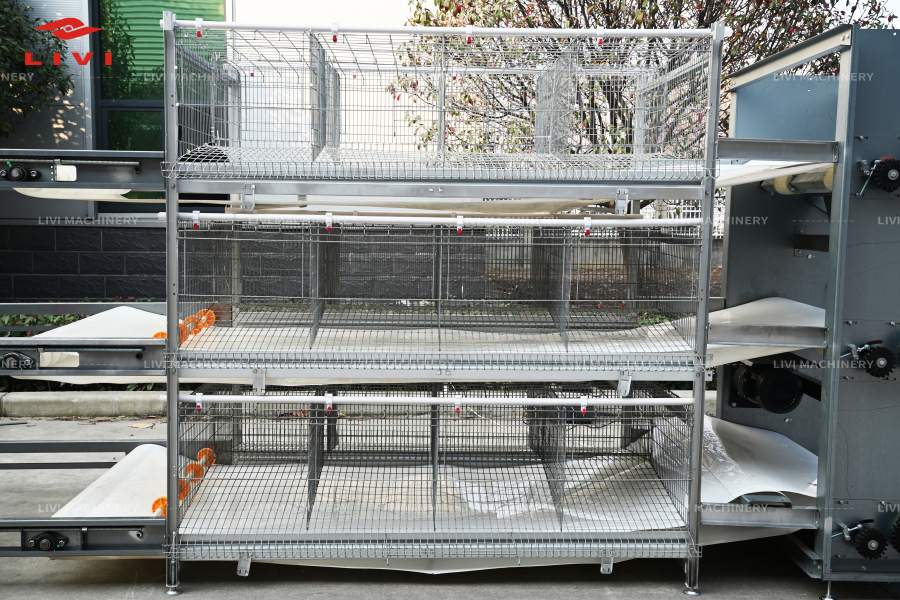
| Cage Model | H1200 H-Type Brooding Cage |
| Cage Arrangement | 4 Rows × 3 Tiers |
| Feeding System | Automatic Travelling Feeder with Weighing |
| Drinking System | Nipple Drinkers + Medication Dosing |
| Manure Removal | Automatic Flat-Belt Manure Removal Syste |
| Planned Flock Transfer | 14 Weeks |
| Future Development | Layer Production Section Proposed |
The 36,000-bird figure is the project target capacity. The supplied records do not specify the final number of cage sets or the age-specific capacity per set, so these quantities should not be inferred from the model name alone.
Why the Customer Built the Pullet-Rearing Section First
The customer needed a rearing system that could support the planned flock before the layer section was developed.
This created two connected engineering decisions: how to accommodate 36,000 growing birds in the available poultry house, and how to prepare them for a later transfer into laying cages.
LIVI Machinery designed the first phase around the H1200 rearing system and its supporting automation. The customer has subsequently expressed an intention to continue with the layer-production section.
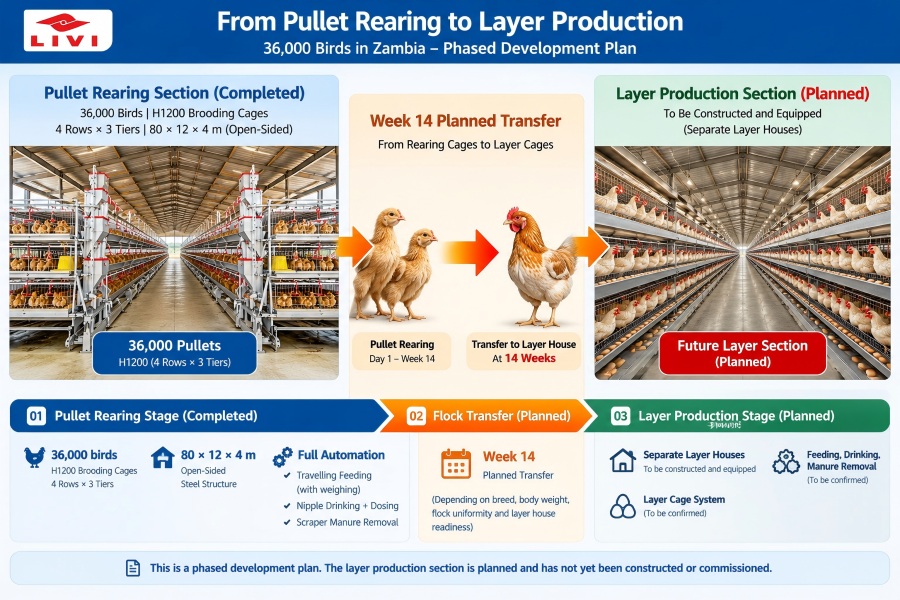
This is a phased project plan, not confirmation that the future layer houses have already been constructed or commissioned.
How Were 36,000 Pullets Accommodated in an 80 × 12 m Poultry House?
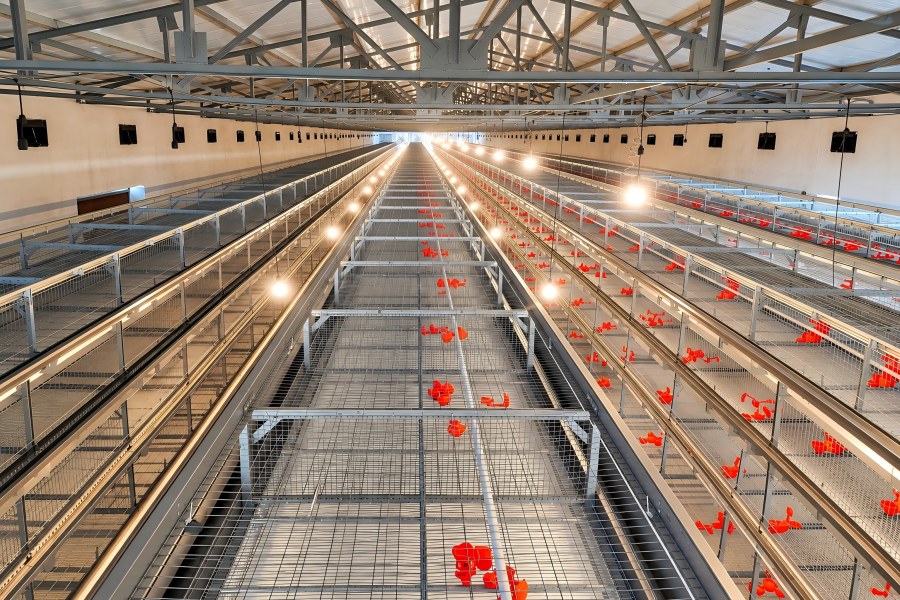
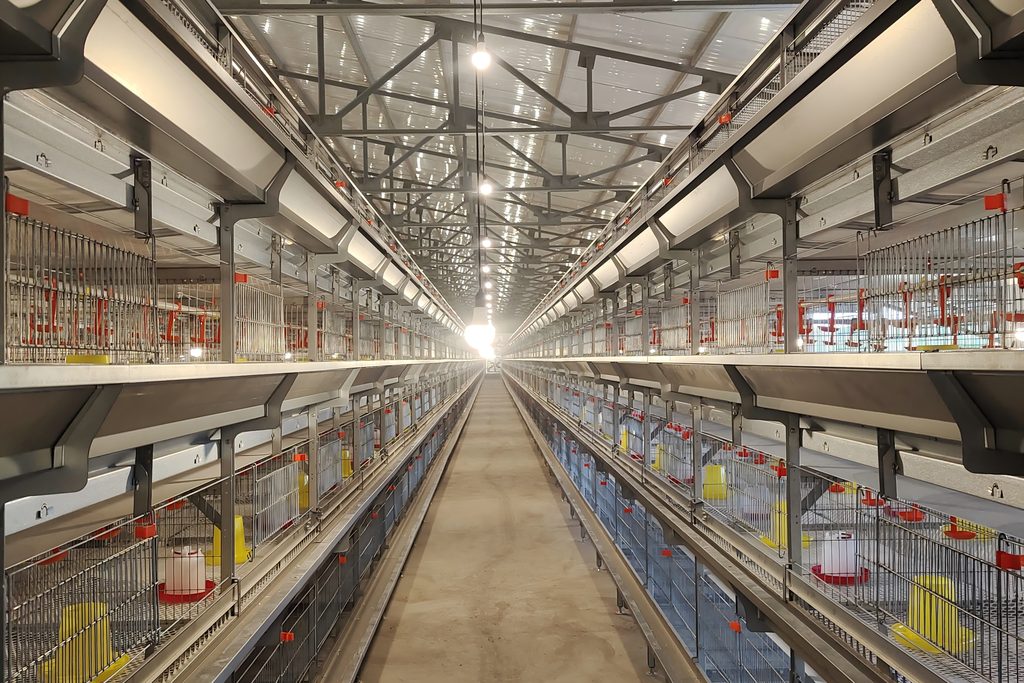
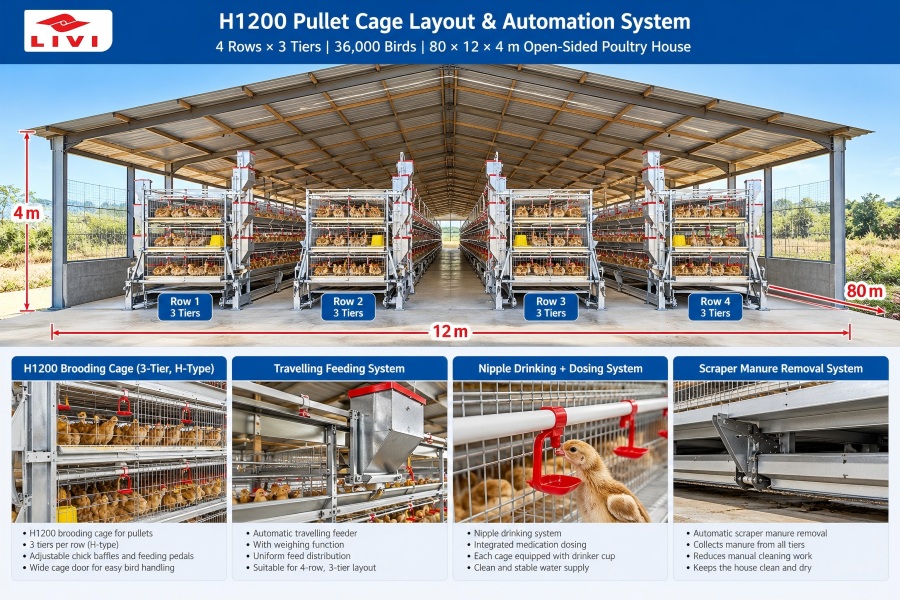
The customer had an 80 m long, 12 m wide and 4 m high steel-structure poultry house. LIVI designed the H-type pullet cage arrangement around this building rather than selecting equipment solely by its nominal capacity.
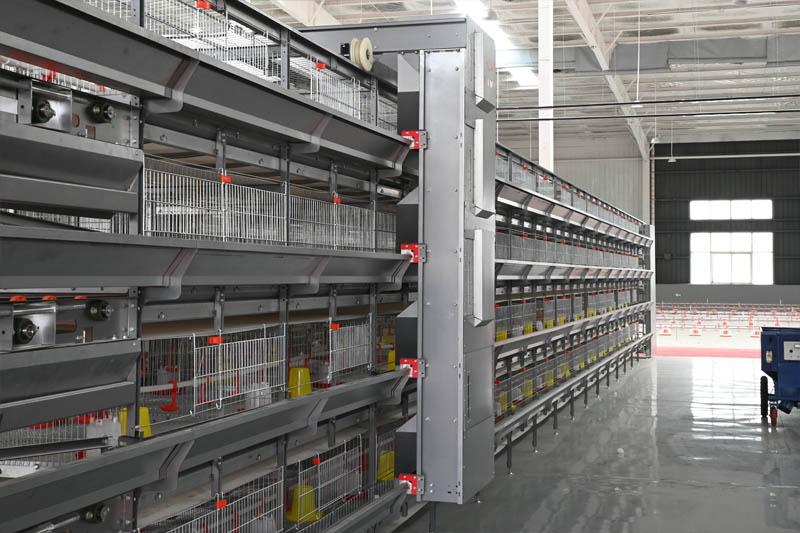
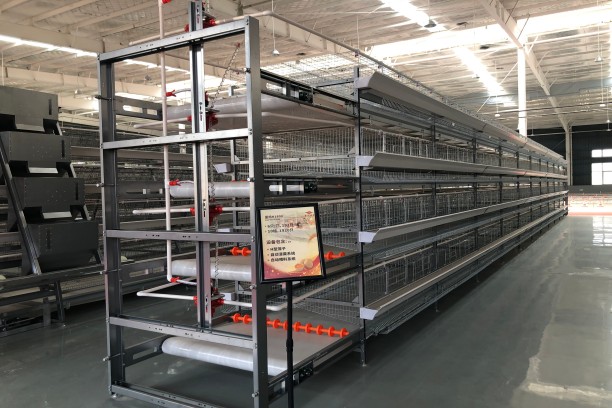
The confirmed layout consists of four rows of three-tier H1200 brooding cages. This arrangement organizes the rearing flock vertically while allowing feeding, drinking and manure-removal equipment to operate alongside the cage rows.
For a similar H type pullet cage system, the final design should verify cage quantities, age-dependent bird space, aisle clearance, ventilation and equipment maintenance access.
Brooding Cage Features for Growing Birds
The LIVI H-type brooding equipment documentation describes several features intended for chick and pullet management:
- Adjustable chick baffles: Support access to feed as the birds grow.
- Feeding pedals: Help young birds reach the trough.
- Supported cage floors: Galvanized steel and tensioned wire provide structural support.
- Wide inward-opening cage doors: Facilitate bird handling during management and transfer.
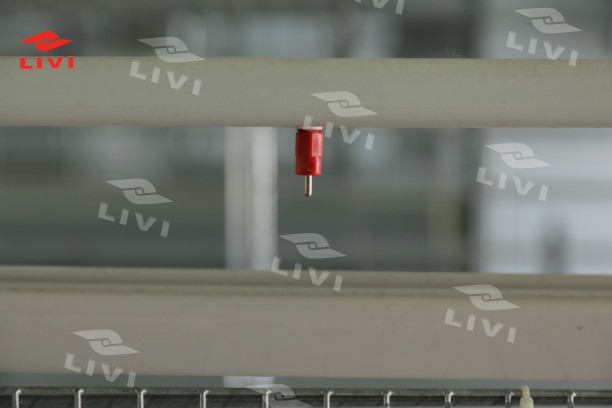
- Drinker cups: Help intercept dripping water beneath the drinking line.
These are documented product-design features, not measured performance results from the Zambia flock.
For a broader comparison of cage options, see LIVI Automatic Poultry Brooding Equipment.
Which Automated Systems Were Installed for Pullet Rearing?
The project combined H1200 cages with automatic feeding, drinking and manure handling to reduce repetitive work during the rearing period.
| System | Project Configuration | Operating Purpose |
|---|---|---|
| Feeding | Automatic travelling feeder with weighing | Distribute feed along the cage rows and support feed management |
| Drinking | Nipple drinking system | Provide water access throughout the rearing period |
| Medication Dosing | Integrated dosing equipment | Support controlled administration through the drinking system |
| Manure Removal | Automatic flat-belt manure removal system | Convey manure away from the cage tiers using motor-driven manure belts, reducing routine manual cleaning work |
The combination addresses four important operating functions: feed distribution, feed monitoring, water management and manure removal.
Automatic feeding is particularly relevant for a 36,000-bird poultry farm because distribution equipment must work consistently across multiple cage rows. Read more in the Automatic Poultry Feeding Systems Guide.
For manure management, LIVI supplied an automatic flat-belt manure removal system. Motor-driven manure belts transport accumulated manure away from the cage tiers, reducing the need for manual cleaning. This conveyor-belt configuration is integrated with the H1200 pullet cage system to support routine manure handling during the rearing period.
See also the Automatic Manure Removal System for different manure-handling approaches.
The FAO guidance on poultry housing and management explains why temperature, air movement, feed and water access must be considered together during poultry rearing.
How Does the 14-Week Pullet Transfer Connect to Future Layer Production?
The customer’s development plan identifies a flock transfer at 14 weeks, when the growing birds are intended to move from the rearing cages to the future layer-production section.
For this project, the transfer timing was considered alongside the birds’ available cage space as they grew. This is important because the space required per bird changes during rearing.
36,000-Bird H-Type Rearing System → Growth and Space Monitoring → Planned Transfer at Week 14 → Separate Layer Production Section
However, 14 weeks is a project-specific planning point, not a universal pullet transfer age. The final timing must be reviewed against breed guidance, flock weight and uniformity, welfare requirements, health status and the readiness of the receiving house.
The FAO Poultry Development Review provides additional guidance on chick management, brooding conditions and rearing-house management.
Why Plan the Transfer Before Purchasing the Next Equipment Package?
The rearing and laying stages serve different functions. The pullet house must accommodate growing birds, while the future layer section will require its own cage layout, feeding, drinking, manure handling and egg-collection arrangements.
Before ordering the next stage, the customer needs to confirm the receiving-house capacity, construction schedule, equipment readiness and flock-transfer procedures.
The project documents confirm the customer’s intention to proceed with the layer section, but do not provide its final building dimensions or equipment specification.
Why Was the Poultry Project Developed in Phases?
The first phase concentrated on establishing the 36,000-bird pullet-rearing facility. The laying section was reserved for subsequent development.
For buyers planning a similar commercial poultry project in Zambia, phased construction separates the immediate rearing-equipment requirements from the later layer-house investment.
It also creates an important planning responsibility: the first-phase flock schedule must remain compatible with the construction and commissioning schedule of the receiving layer houses.
Which Equipment Belongs in the First Phase?
The initial equipment package included H1200 rearing cages, automatic travelling feeding with weighing, nipple drinking with medication dosing, and automatic flat-belt manure removal.
The future laying stage would require a separate technical assessment. Its final cage system, egg-collection equipment, utilities and cost cannot be established from the current project records.
This distinction is important when comparing a poultry equipment manufacturer’s quotation: a complete pullet-rearing package is not necessarily a complete egg-production farm.
Equipment Delivery, Installation and After-Sales Support
For this Zambia project, LIVI Machinery coordinated equipment supply with installation and commissioning support.
The project records describe on-site assistance from an experienced engineer, preparation of shipping and customs documents, and spare-parts arrangements intended to support long-term maintenance.
The supplied service information also specifies a one-year warranty for automation equipment and describes a spare-parts package planned around approximately five years of wear-part replacement needs.
A cage service-life claim of up to 20 years appears in the project materials. Actual service life depends on material specifications, corrosion exposure, maintenance and operating conditions; it is not a verified operating result from this newly documented case.
For farmers comparing poultry equipment suppliers in Zambia, these details make it important to request a written equipment list, warranty terms, spare-parts schedule and installation responsibility matrix—not only a cage price.
Project Outcomes and Lessons for Pullet Farm Investors
The documented project demonstrates a coordinated equipment solution for a 36,000-bird H-type pullet-rearing facility in Ndola.
Its main engineering characteristics are the four-row, three-tier cage layout, integrated rearing automation and a defined transfer plan connecting the first phase with future egg production.
The source materials describe expected labor and manure-cleaning improvements, but do not include independently verifiable operating measurements. Therefore, no confirmed labor-saving percentage, flock survival rate or financial return is claimed here.
The most transferable lesson is that a pullet-rearing project should be designed around the entire flock-development process, not simply the number of cage positions available on the first day.
Frequently Asked Questions About H-Type Pullet Rearing in Zambia
Can an 80 × 12 × 4 m poultry house accommodate 36,000 pullets?
This Zambia project was planned for 36,000 birds using four rows of three-tier H1200 cages. The final capacity of another farm must be checked against the cage specification, bird age, usable space, aisles and operating requirements.
What automatic equipment is included in this H-type pullet cage project?
The confirmed equipment package includes automatic travelling feeding with weighing, nipple drinking with medication dosing, and a flat-belt manure removal system. The manure belts convey waste away from the cage tiers to support routine cleaning and farm hygiene management.
Should pullets always be transferred to layer cages at 14 weeks?
No. Fourteen weeks is the planned transfer point for this particular project. Actual transfer timing depends on breed guidance, body weight, flock uniformity, welfare considerations and the readiness of the layer house.
Can the layer-production equipment be purchased in a later phase?
Yes, phased development is the approach documented in this case. However, the receiving-house capacity, construction schedule, utilities and flock-transfer arrangements must be coordinated before the birds are ready to move.
How much does a 36,000-bird H-type pullet cage system cost in Zambia?
The total cost depends on cage quantities, automation scope, poultry-house conditions, freight, customs charges, installation and spare parts. The project documents do not provide a verified selling price, so a site-specific quotation is required.
What should a buyer confirm before ordering pullet-rearing equipment?
Confirm the target flock size, bird breed and age range, house dimensions, water and electricity supply, feeding and manure-removal methods, planned transfer age, installation services and warranty terms.
Planning a Pullet-Rearing Farm in Zambia?
Share your target bird capacity, poultry-house dimensions, flock-transfer plan and required automation. LIVI can help review the cage layout, equipment configuration and project quotation.