



Quick Answer
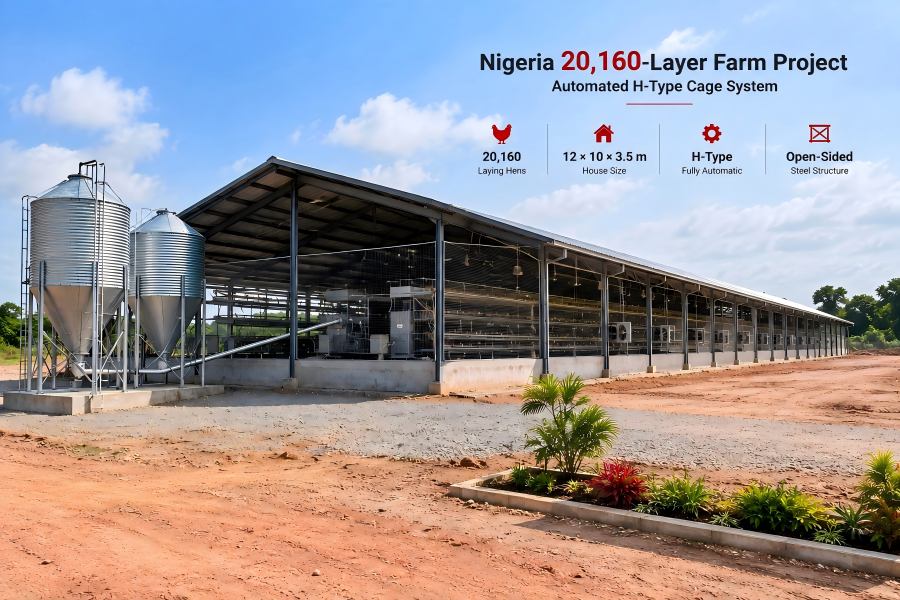
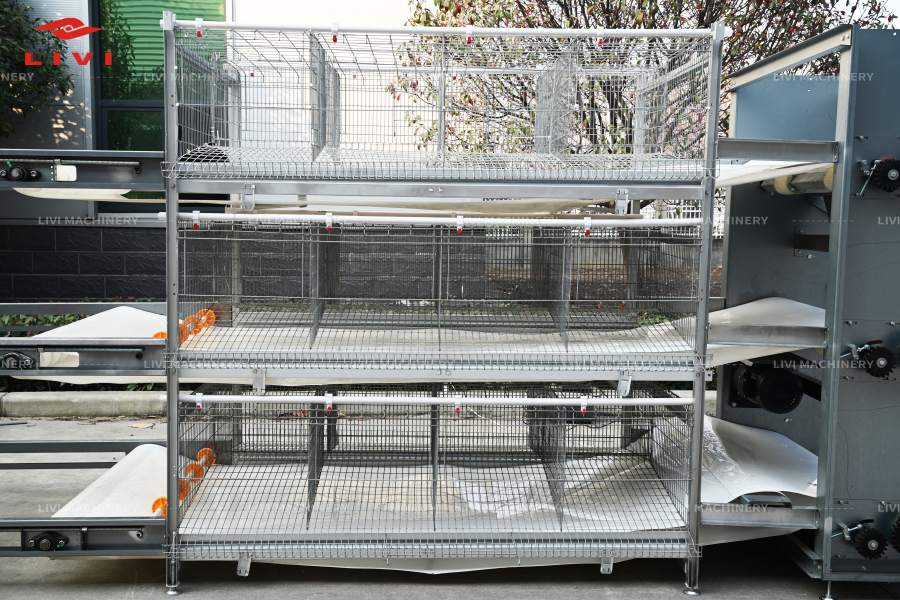
Layer Chicken Cage Systems are commercial poultry housing solutions designed to improve space utilization, egg production efficiency, hygiene management and labor productivity. For South African egg producers, choosing the right cage system depends on farm size, production goals, investment budget, climate conditions and automation requirements. Modern solutions such as A-type and H-type layer cages can integrate automatic feeding, nipple drinking, egg collection, manure removal and ventilation systems to support efficient commercial egg production.
Introduction: Choosing the Right Layer Cage System for South African Egg Farms
South Africa has a well-developed poultry industry, and egg production plays an important role in providing affordable animal protein and supporting agricultural development.
For commercial egg producers, housing systems directly influence:
- production efficiency
- labor requirements
- egg quality
- farm hygiene
- long-term profitability
As poultry farms continue to expand, many South African farmers are moving from traditional floor housing toward more efficient commercial layer cage systems.
A properly designed layer chicken cage system helps farmers solve common challenges such as:
- limited poultry house space
- increasing labor costs
- feed management difficulties
- manure handling problems
- maintaining consistent production performance
According to industry requirements, modern poultry farms need more than cages. They require an integrated solution combining:
- layer cages
- feeding systems
- drinking systems
- egg collection systems
- manure removal systems
- ventilation systems
A complete poultry equipment solution allows farmers to build a more efficient and sustainable egg production operation.
What Are Layer Chicken Cage Systems?
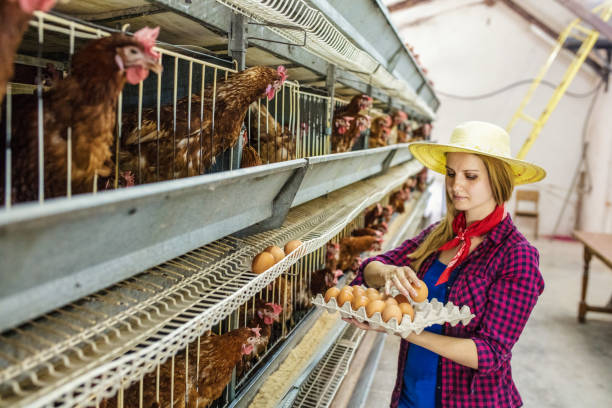
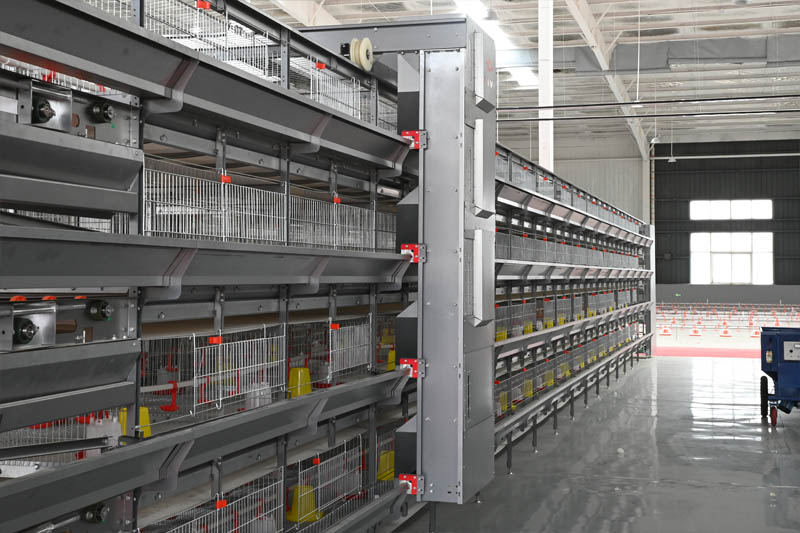
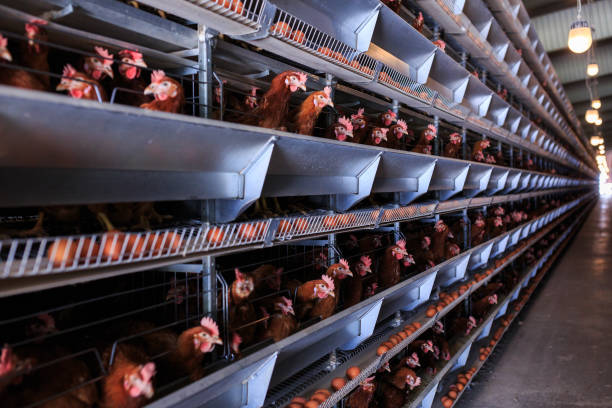
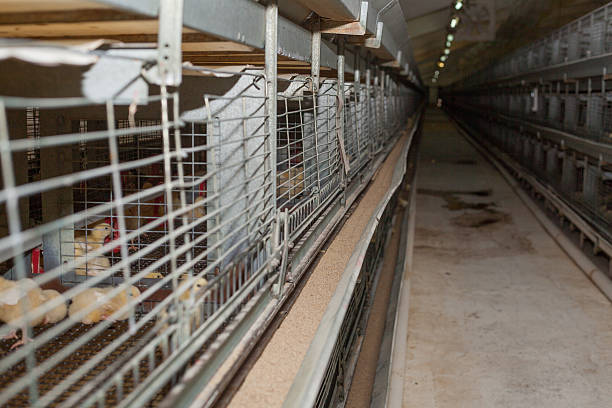
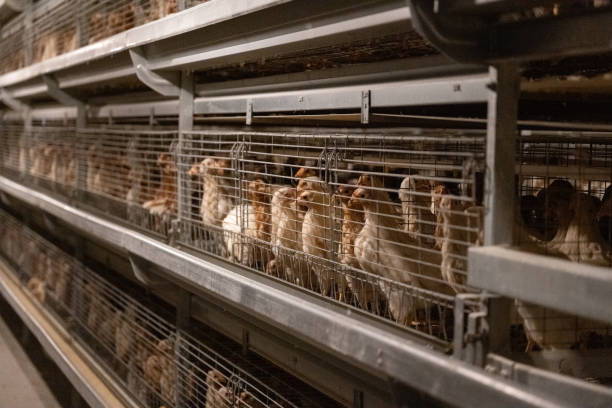
A Layer Chicken Cage System is a specialized housing structure designed for laying hens during commercial egg production.
The system places hens in individual or group compartments arranged in multiple tiers inside poultry houses.
Compared with traditional floor farming, cage systems help farmers maximize available space by using vertical structures.
A complete layer cage system usually includes:
| System Component | Function |
|---|---|
| Layer cages | Provide safe housing space for hens |
| Feeding system | Deliver feed efficiently |
| Drinking system | Provide continuous clean water |
| Egg collection system | Reduce manual egg handling |
| Manure removal system | Improve farm hygiene |
| Ventilation system | Control temperature and air quality |
Modern automated poultry farming solutions combine these systems to reduce labor requirements and improve farm management.
Need Help Choosing the Right Layer Cage System?
Every poultry farm has different requirements.
Share your:
- farm capacity
- poultry house size
- location
- automation expectations
Livi can recommend a suitable layer chicken cage system solution for your project.
Why South African Farmers Choose Commercial Layer Cage Systems?
1. Higher Space Utilization for Commercial Egg Production
Land and construction costs are important considerations for poultry investors.
Layer cage systems allow farmers to increase bird density within the same poultry house area.
Compared with floor housing, cage systems can accommodate more layers per square meter, helping farmers improve production efficiency.
For commercial farms planning:
- 5,000 layers
- 10,000 layers
- 30,000 layers
- 50,000+ layers
professional cage layout design becomes essential.
2. Improved Poultry Farm Hygiene
One of the biggest advantages of cage systems is separating birds from manure accumulation.
The cage structure helps:
- reduce direct contact between hens and manure
- lower contamination risks
- improve cleaning efficiency
- maintain better poultry house conditions
A properly designed manure management system further improves farm hygiene by regularly removing waste from the house.
3. Reduced Labor Requirements Through Automation
Labor availability and cost are important factors for South African poultry farmers.
Traditional manual operations require significant daily labor for:
- feeding
- watering
- egg collection
- manure cleaning
Modern automated poultry farming solutions help reduce these workloads through:
Automatic Feeding System
Benefits:
- uniform feed distribution
- reduced manual feeding
- less feed waste
- improved feeding consistency
Automatic Egg Collection System
Benefits:
- faster egg collection
- reduced egg breakage
- improved egg handling efficiency
Manure Removal System
Benefits:
- cleaner poultry houses
- reduced ammonia accumulation
- easier daily management
Types of Layer Chicken Cage Systems Available
Different farms have different production goals. The most common commercial layer cage systems include:
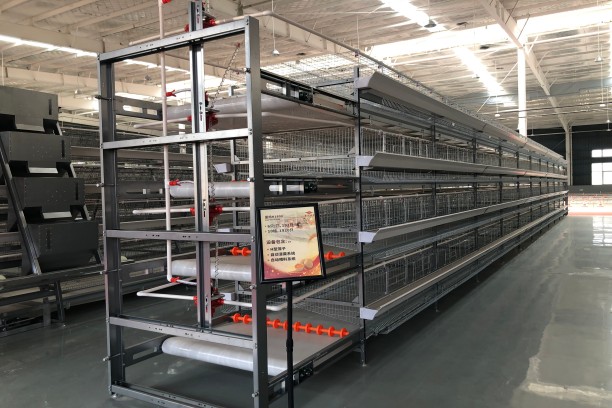
A-Type Layer Cage System
Suitable For:
- small and medium commercial farms
- farmers starting egg production businesses
- projects requiring cost-effective solutions
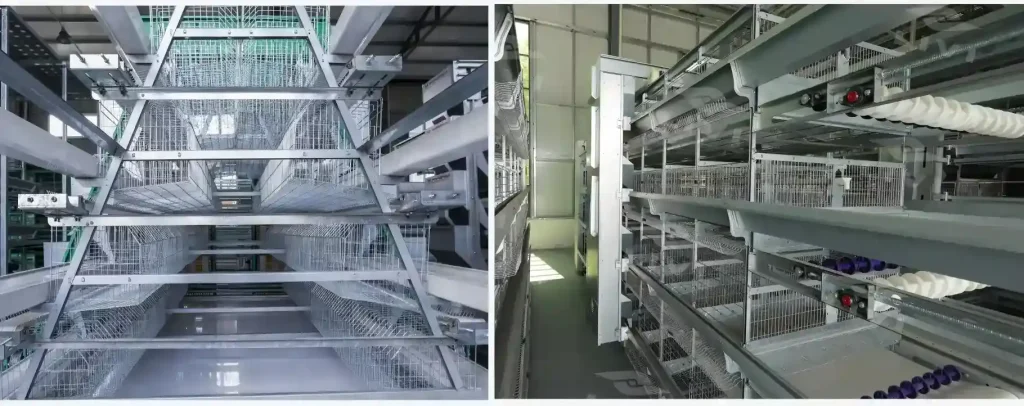
A-frame cages are one of the most commonly used poultry housing systems.
The A-shaped structure provides:
- simple installation
- lower investment cost
- good ventilation
- easy operation
According to Livi poultry equipment solutions, A-type layer cages can be equipped with:
- automatic feeding
- nipple drinking
- egg collection
- manure removal
- climate control systems
making them suitable for medium-scale poultry farms.
H-Type Layer Cage System
Suitable For:
- medium and large commercial egg farms
- intensive poultry production
- farms requiring higher automation
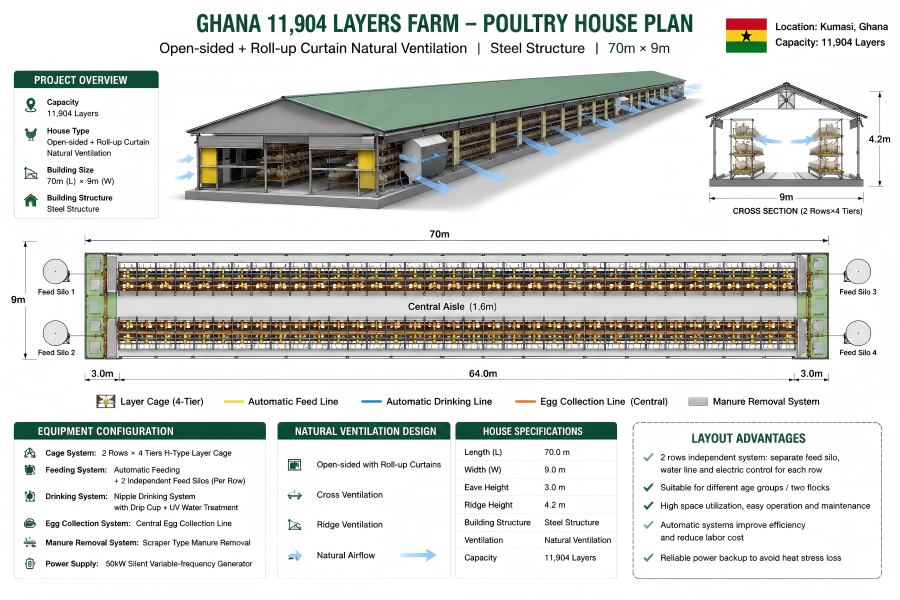
H-frame cages provide a stronger structure and better utilization of vertical space.
Compared with traditional cage layouts, H-type systems are commonly selected for farms that require:
- higher bird capacity
- better automation integration
- easier flock management
Typical H-type layer cage configurations include:
| Model | Application |
|---|---|
| 1200×625×480mm H Type Cage | Medium and large layer farms |
| 1800×600×430mm H Type Cage | Commercial egg production projects |
H-type systems can integrate:
- automatic feeding system
- nipple drinking system
- automatic egg collection
- manure belt removal
- environmental control
A-Type vs H-Type Layer Cage Systems
| Factor | A-Type Layer Cage | H-Type Layer Cage |
|---|---|---|
| Investment | Lower initial cost | Higher automation investment |
| Suitable Farm Size | Small/medium farms | Medium/large farms |
| Space Utilization | Good | Higher |
| Automation Level | Basic to medium | High |
| Management Efficiency | Good | Excellent |
| Large Commercial Projects | Limited | Recommended |
For South African farmers, the right choice depends on:
- farm capacity
- available investment
- labor availability
- future expansion plans
How to Choose the Right Layer Chicken Cage System in South Africa?
Choosing the right layer chicken cage system in South Africa is not only a question of selecting cages. Farmers need to consider the entire poultry production process, including farm scale, available space, labor cost, climate conditions and future expansion plans.
Before purchasing poultry equipment, commercial egg producers should evaluate the following factors.
1. Farm Size and Production Capacity
The required cage system depends largely on the number of laying hens.
Different farm sizes require different equipment configurations.
Small Commercial Farms
Typical capacity:
- 1,000–5,000 layers
Recommended considerations:
- investment control
- simple management
- flexible expansion
A-type layer cages are commonly considered for farmers who need a practical and cost-effective solution.
Medium Commercial Farms
Typical capacity:
- 10,000–30,000 layers
Recommended configuration:
- H-type layer cage system
- automatic feeding system
- nipple drinking system
- manure management equipment
These farms usually focus on balancing:
- production efficiency
- labor reduction
- investment return
Large Commercial Egg Farms
Typical capacity:
- 50,000+ layers
Recommended solution:
- fully integrated poultry equipment system
- automatic feeding
- automatic egg collection
- manure belt removal
- ventilation control
Large-scale farms require professional planning to maximize production efficiency.
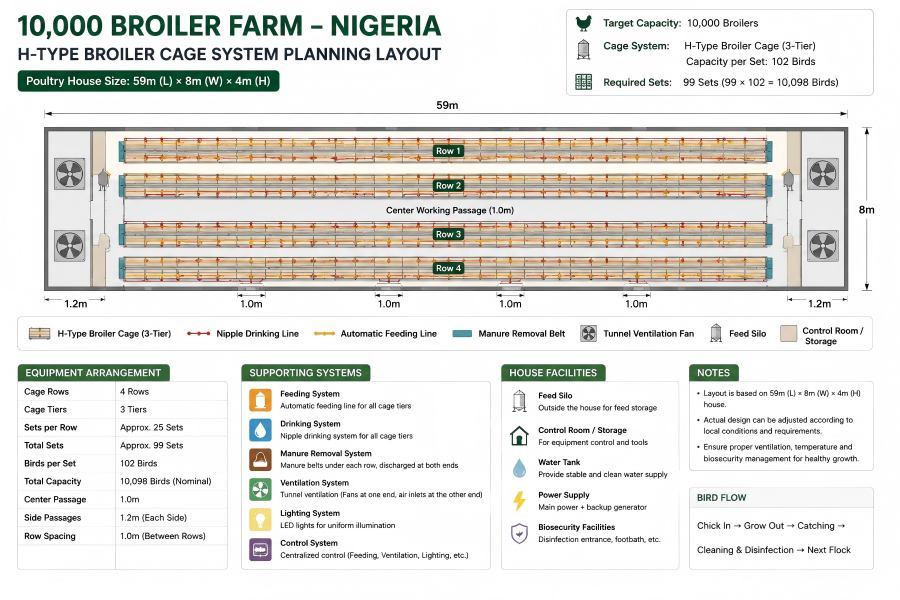
2. Poultry House Design Requirements
A layer cage system cannot be separated from poultry house planning.
Incorrect house design may cause problems such as:
- poor ventilation
- difficult equipment installation
- inefficient worker movement
- reduced production performance
A professional poultry house design should consider:
House Width
The width affects:
- cage row arrangement
- aisle design
- ventilation airflow
House Length
The length determines:
- number of cage rows
- feeding line arrangement
- egg collection route
House Height
Multi-tier cage systems require sufficient height for:
- cage installation
- ventilation circulation
- equipment operation
3. Local Climate Conditions in South Africa
South Africa has diverse climate conditions, and poultry farms may face different environmental challenges.
Common challenges include:
High Temperature Periods
Heat stress can affect:
- feed intake
- egg production
- bird health
Solutions:
- proper ventilation design
- cooling systems
- optimized stocking density
Dry Climate Conditions
Some regions experience dry weather conditions.
Farmers should focus on:
- stable drinking water supply
- dust control
- ventilation management
Temperature Fluctuation
Daily temperature changes require:
- good airflow management
- reliable environmental control equipment
A complete poultry farming solution should consider local environmental conditions before equipment selection.
What Equipment Is Included in a Complete Layer Chicken Cage System?
A modern commercial egg farm requires more than cages.
A complete commercial egg farming equipment solution usually includes the following systems:
1. Layer Cage System
The cage structure provides:
- organized bird housing
- efficient space utilization
- easier flock management
Available options:
- A-type layer cage system
- H-type layer cage system
2. Automatic Feeding System
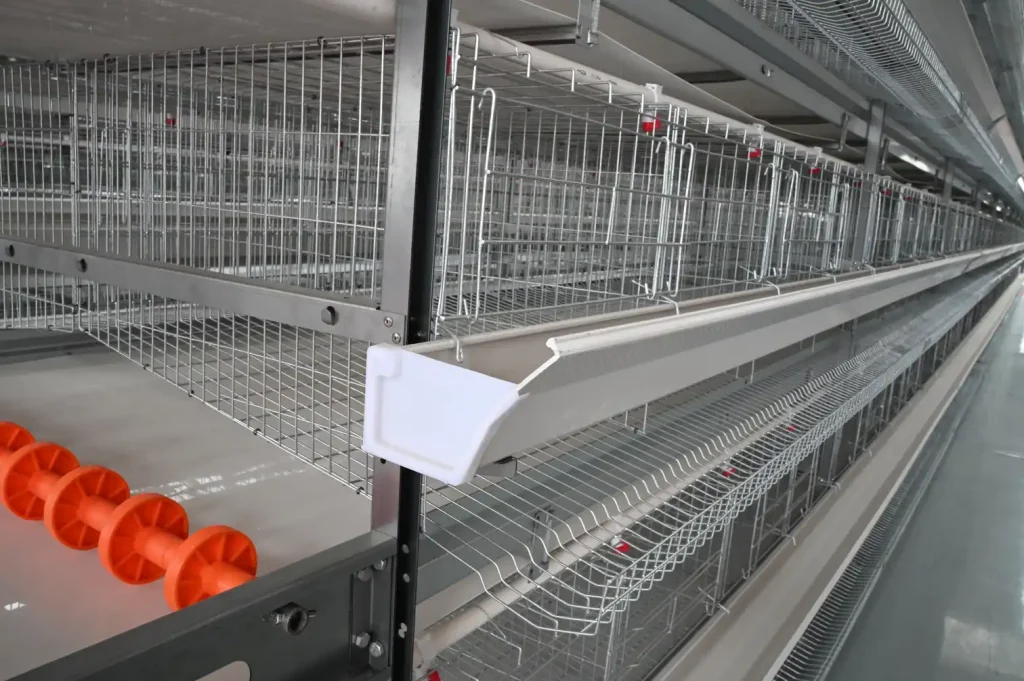
Feed management is one of the most important parts of commercial egg production.
An automatic feeding system helps farmers achieve:
- consistent feeding frequency
- reduced labor requirements
- lower feed waste
- improved management efficiency
For medium and large farms, automated feeding is becoming an essential part of modern poultry production.
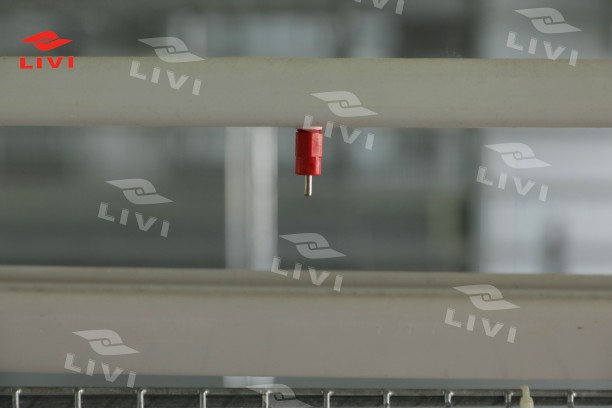
3. Nipple Drinking System
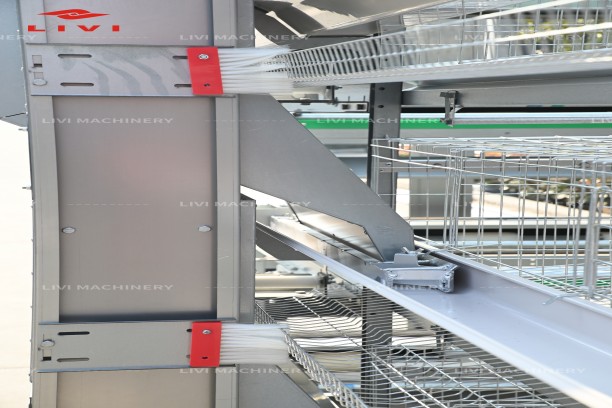
A reliable drinking system ensures:
- continuous water supply
- improved hygiene
- reduced contamination risk
A complete nipple drinking system usually includes:
- nipple drinkers
- water pipes
- pressure regulators
- filtration components
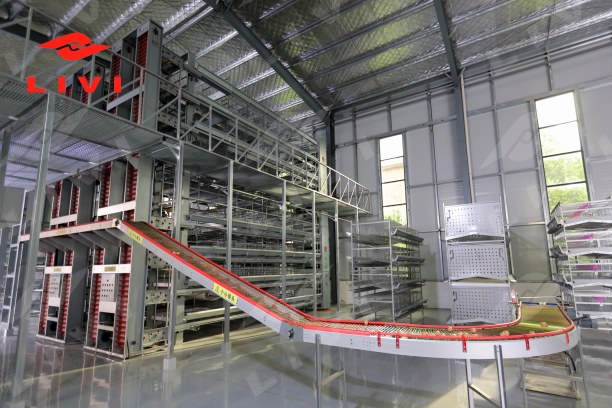
4. Automatic Egg Collection System
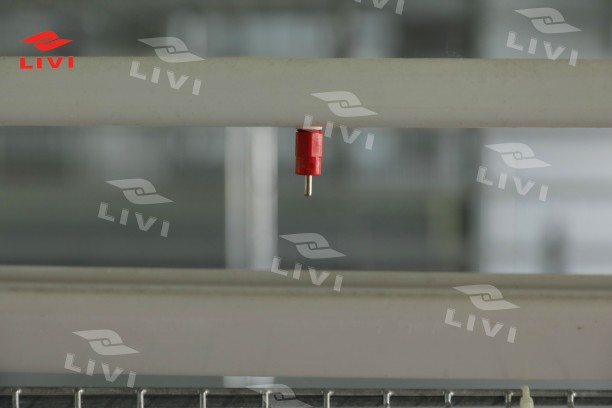
Egg collection directly affects labor efficiency and egg quality.
Automatic egg collection systems help:
- reduce manual collection time
- minimize egg damage
- improve production workflow
This is especially important for:
- 20,000+ layer farms
- commercial egg producers
- intensive production systems
5. Manure Removal System
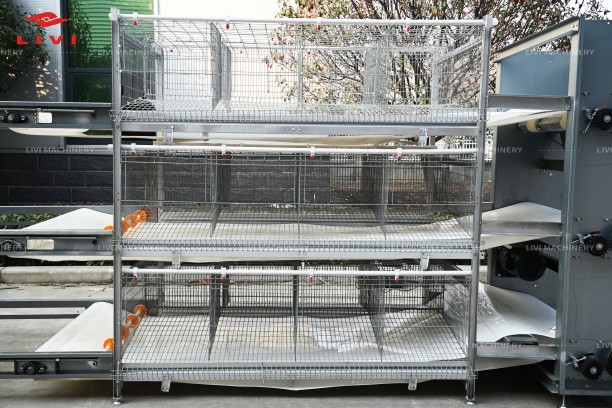
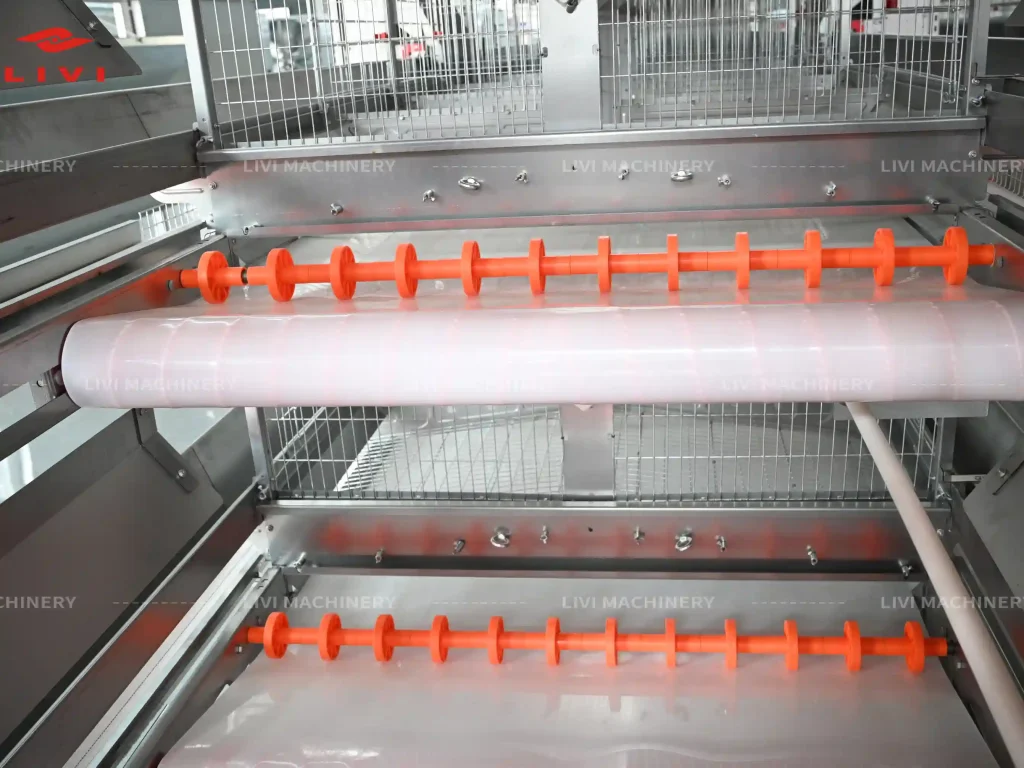
Manure management is a major concern for poultry farms.
A manure removal system helps:
- maintain cleaner cages
- reduce ammonia levels
- improve working conditions
- simplify waste handling
Effective manure management is essential for long-term farm sustainability.
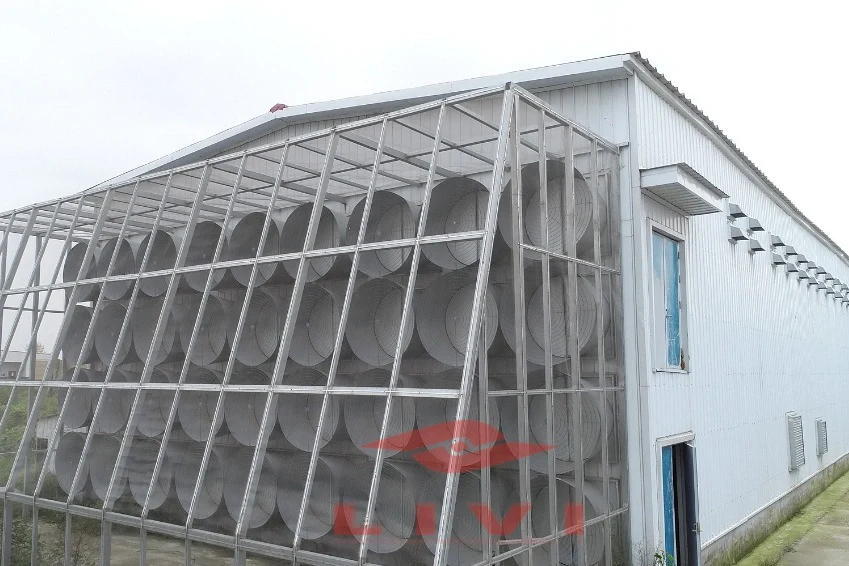
6. Ventilation and Environmental Control System
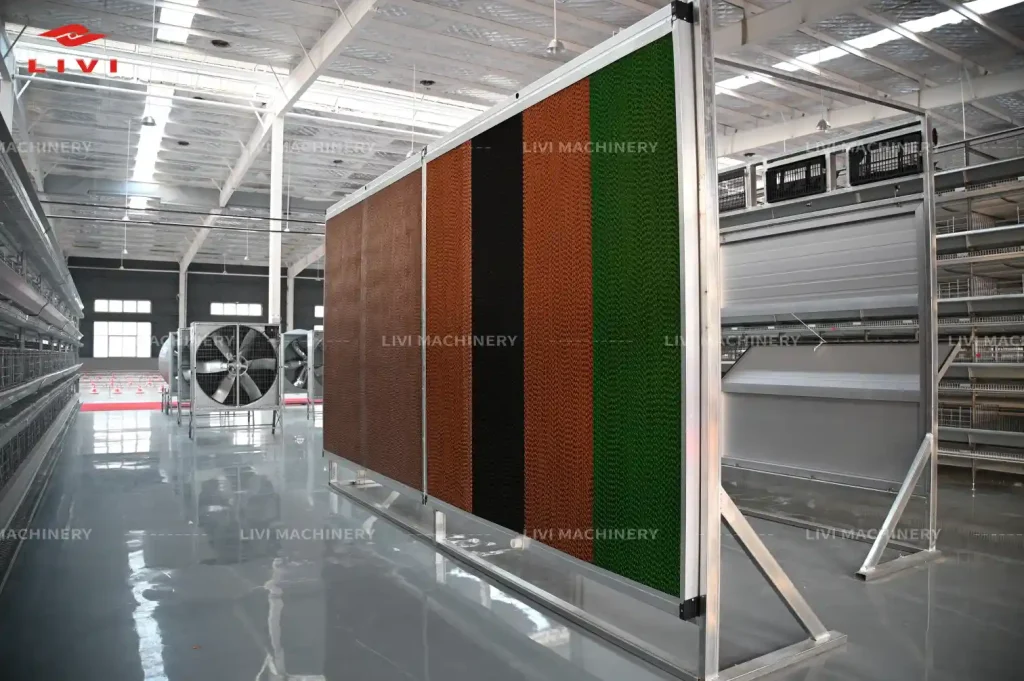
A poultry house environment directly affects layer performance.
Environmental control equipment helps manage:
- temperature
- humidity
- airflow
- air quality
For South African farms, ventilation planning is particularly important due to seasonal temperature changes.
How Much Does a Layer Chicken Cage System Cost in South Africa?
The cost of a layer chicken cage system in South Africa depends on multiple factors.
There is no fixed price because every poultry project has different requirements.
Main cost factors include:
| Cost Factor | Influencing Elements |
|---|---|
| Cage system | Model, capacity, material, configuration |
| Feeding system | Manual or automatic feeding |
| Drinking system | Number of drinkers and water system design |
| Egg collection | Manual or automatic collection |
| Manure removal | Scraper or manure belt system |
| Poultry house | Construction size and design |
| Installation | Labor and technical support |
Factors Affecting H-Type Layer Cage Cost
Farmers searching for:“cost of H-type layer cages”should consider:
1. Farm Capacity
A 5,000-layer project and a 50,000-layer project require completely different equipment configurations.
2. Automation Level
Higher automation usually requires higher initial investment but can reduce long-term labor costs.
3. Supporting Equipment
A complete solution may include:
- automatic feeding
- egg collection
- manure removal
- ventilation
Initial Investment vs Long-Term Benefits
Although automated cage systems require higher initial investment, the long-term advantages may include:
- reduced labor costs
- improved production efficiency
- better hygiene management
- easier farm expansion
For commercial egg producers, evaluating total operating costs is often more important than only comparing equipment prices.
Planning Your Commercial Egg Farm Investment?
The total cost of a poultry project depends on equipment configuration and farm design.
Livi can help you calculate:
- cage requirements
- equipment configuration
- farm layout
- automation options
Best Practices for Managing Layer Chicken Cage Systems
Installing equipment is only the first step.
Successful commercial egg production also requires proper management.
1. Regular Equipment Inspection
Farmers should regularly check:
- feeding equipment
- drinking system
- cage structure
- egg collection system
Early detection of problems helps avoid production losses.
2. Maintain Proper Ventilation
Good ventilation helps:
- remove excess moisture
- reduce ammonia
- improve bird comfort
3. Monitor Feed and Water Consumption
Changes in:
- feed intake
- water consumption
- egg production
may indicate potential management issues.
4. Follow Biosecurity Practices
Good biosecurity helps protect poultry health.
Important practices include:
- controlled farm access
- equipment cleaning
- proper sanitation procedures
How Livi Provides Layer Chicken Cage Solutions for South African Farmers
Choosing poultry equipment is a long-term investment.
Livi provides customized solutions based on:
- farm capacity
- poultry house dimensions
- local climate conditions
- automation requirements
The complete solution includes:
Poultry Housing Equipment
- A-type layer cage systems
- H-type layer cage systems
Feeding Solutions
- automatic feeding systems
Drinking Solutions
- nipple drinking systems
Egg Production Equipment
- automatic egg collection systems
Waste Management
- manure removal systems
Farm Planning
- poultry house layout design
- equipment configuration planning
Why Professional Farm Design Matters Before Installation
Many poultry projects face problems because equipment is selected before proper planning.
Professional design helps farmers avoid:
- unsuitable cage selection
- inefficient house layouts
- unnecessary investment
- future expansion limitations
Before purchasing a commercial layer cage system, farmers should prepare:
- farm capacity plan
- equipment list
- house layout
- automation requirements
Future Trends of Layer Chicken Cage Systems in South Africa
The poultry industry continues to evolve as farmers look for more efficient, sustainable and technology-driven production methods.
Future layer chicken cage systems will focus on improving productivity while balancing:
- farm efficiency
- animal welfare
- environmental responsibility
Several trends are shaping the future of commercial egg production.
1. Increased Focus on Animal Welfare
Consumer expectations and industry standards are increasing the demand for improved poultry housing solutions.
Future cage systems are expected to provide:
- better space management
- improved bird comfort
- more opportunities for natural behaviors
Modern poultry equipment manufacturers are continuously improving cage designs to balance:
- production efficiency
- bird welfare
- farm profitability
2. Wider Adoption of Automated Poultry Farming Solutions
Automation is becoming one of the most important trends in commercial egg production.
More farms are adopting:
- automatic feeding systems
- automatic egg collection systems
- manure removal systems
- environmental control systems
The purpose is to:
- reduce labor dependency
- improve operational consistency
- increase production efficiency
For South African farmers facing increasing labor costs, automation provides an important pathway toward sustainable farm development.
3. Data-Based Poultry Farm Managemen
Modern poultry farms are increasingly using digital technologies to monitor:
- feed consumption
- water usage
- egg production
- environmental conditions
Data-driven management allows farmers to:
- identify problems earlier
- optimize production decisions
- improve farm performance
4. Sustainable Poultry Production
Sustainability is becoming increasingly important in the global poultry industry.
Future poultry systems will focus on:
- reducing waste
- improving resource utilization
- optimizing energy consumption
Efficient manure management and environmentally responsible farm design will become increasingly important for commercial poultry operations.
Frequently Asked Questions About Layer Chicken Cage Systems in South Africa
1. What is the best layer chicken cage system for commercial egg farms in South Africa?
The best layer cage system depends on farm size, investment budget, labor availability and production goals.
For small and medium farms, A-type layer cages can provide a practical and cost-effective solution.
For medium and large commercial egg farms, H-type layer cage systems are commonly selected because they support higher capacity and better automation integration.
2. How much does a layer chicken cage system cost in South Africa?
The cost depends on:
- cage type
- farm capacity
- automation level
- feeding system
- egg collection system
- manure management system
- installation requirements
A complete poultry equipment quotation should be based on the farm’s specific requirements.
3. What equipment is needed for a commercial layer chicken farm?
A complete commercial layer farm usually requires:
- layer cage system
- automatic feeding system
- nipple drinking system
- egg collection system
- manure removal system
- ventilation system
The equipment configuration should match farm size and production objectives.
4. What is the difference between A-type and H-type layer cages?
The main difference is the structure, capacity potential and automation level.
A-type cages:
- lower initial investment
- suitable for small and medium farms
- simpler management
H-type cages:
- higher space utilization
- suitable for larger commercial farms
- easier integration with automatic equipment
5. Are automatic poultry farming solutions suitable for South African farms?
Yes.
Automation is increasingly suitable for commercial farms because it helps:
- reduce manual labor
- improve feeding accuracy
- improve egg collection efficiency
- maintain stable production management
6. How many chickens can a layer cage system hold?
Capacity depends on:
- cage model
- cage dimensions
- number of tiers
- poultry house layout
A professional farm design is recommended before determining the final equipment quantity.
7. How long does a commercial layer cage system last?
The service life depends on:
- material quality
- galvanization process
- installation quality
- daily maintenance
Proper maintenance can help extend equipment performance and reliability.
Planning a Layer Chicken Farm in South Africa?
Building a successful egg production farm requires more than purchasing cages.
Farmers need to consider:
- suitable cage system selection
- poultry house design
- automation requirements
- long-term operating costs
Livi provides customized poultry equipment South Africa solutions based on different farm requirements.
Build an Efficient Egg Production Farm with Livi
From layer cage systems to complete automated poultry farming solutions, Livi supports commercial egg producers with professional equipment planning and integrated solutions.