




Can broiler feeding and drinking system design for 30000 chickens in Zimbabwe start at the full target?
Quick answer: The 30000-broiler target can move toward technical design if documented feed commitments, site water tests, storage, funding and interruption plans support expected flock demand. If they do not, consider a smaller first phase or postpone the commitment. Review equipment capacity only after assessing those supply conditions.
Planning a Similar Broiler Project in Zimbabwe?
Share your planned flock, site and current feed and water options to discuss whether a full target or smaller first phase merits review.
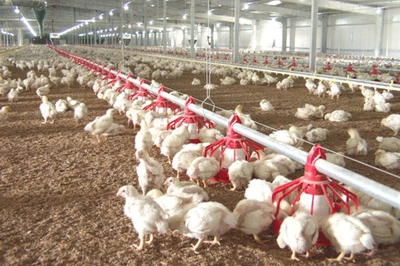
LIVI’s floor-rearing product reference recommends farms below 10000 birds. That recommendation is not a demonstrated maximum, but the target application needs a specific technical review before a configuration is treated as suitable.
Project Summary: The planning market is Zimbabwe, the bird type is broiler and the proposed target is 30000 chickens. The immediate decision is whether feed and water can support that target consistently, including during interruptions—not which equipment to order first.
What feed and water evidence should determine the first flock size?
Assess prospective feed suppliers against flock needs throughout the growing cycle, not just their ability to deliver an initial order. Request written information for each feed stage:
- Product availability and minimum order terms.
- Delivery frequency, lead times and unloading arrangements.
- Delivered price, quotation validity and payment terms.
- Contingency arrangements if a delivery is delayed or a product becomes unavailable.
Compare those terms with projected use and usable storage. A stated delivery frequency is more useful when the buyer also knows how much feed should remain on site when the next delivery is due. Ask how an alternative supply would be arranged and whether it is suitable for the planned feeding program.
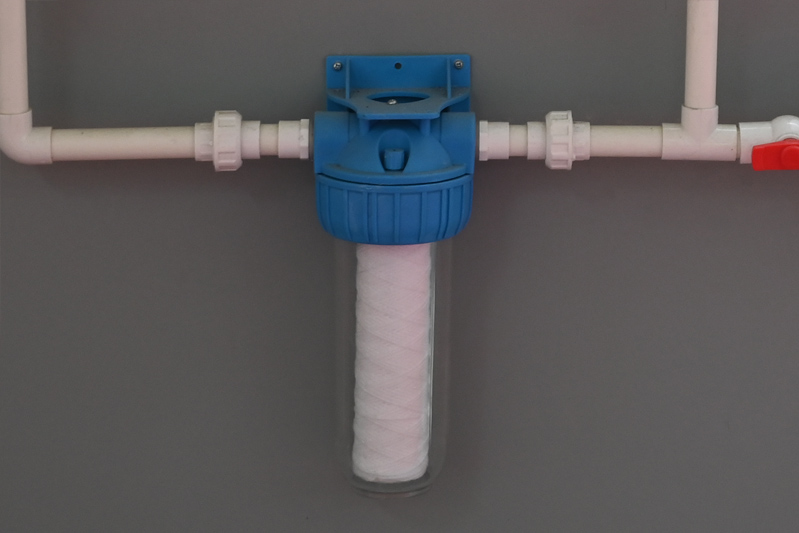
For water, identify the proposed source and check permission to use it. Arrange a yield test under conditions relevant to the site and examine whether water can be delivered at the pressure required by the proposed distribution system. Obtain a water-quality analysis and have a poultry adviser interpret the results, including treatment and monitoring needs. Consider whether availability or quality could change with the season.
Build comparable consumption and cost scenarios
Use breed and feeding-program guidance, planned bird placement, growth stages and site conditions to establish consumption assumptions. Estimate feed and water use for each period of the growing cycle rather than applying an unexamined daily figure to the whole flock. Review the assumptions with the feed supplier and a qualified poultry adviser.
For each feed stage, multiply projected feed use by the relevant delivered quotation. Estimate water-supply costs using the site’s source, pumping, treatment and delivery arrangements. Add storage and backup costs separately. Apply the same method to the full target and a buyer-defined smaller phase so the comparison uses consistent assumptions.
Then test a disrupted-supply scenario: change the delivery delay, replacement cost or available water supply according to a risk the buyer considers credible. The resulting figures are planning estimates, not proof of profitability. Include the cash needed to purchase feed and maintain water supply before expected sales receipts arrive.
Which Zimbabwe site conditions could interrupt feed or water supply?
Check conditions at the proposed Zimbabwe site rather than assuming them from the country name. Ask the water provider or responsible local specialist about seasonal yield, access and testing. Check local weather exposure and how it could affect water demand, feed storage and access to the farm.
Map the proposed feed delivery route and unloading area with suppliers. Confirm whether vehicles can reach storage under the conditions the buyer expects to face, who unloads the feed and how a delayed delivery would be communicated. If an alternative supplier is part of the plan, verify its delivery terms rather than treating it as an automatic backup.
Check the site’s power supply and the loads and operating conditions proposed for pumps and feed conveyors. If an interruption would stop delivery to birds, agree on a practical backup method, who would operate it and how quickly it could be put into use. A water reserve is only useful if water can reach the drinking lines at an appropriate pressure.
Ask the relevant local authorities which site permissions, water-use conditions, environmental obligations and welfare requirements apply. Also obtain project-specific quotes for equipment transport, unloading, installation labour and replacement parts. Assign responsibility for each item before comparing implementation costs.
Review Supply Risks Before Choosing Your Equipment
Provide your expected supplier terms, water test results and interruption concerns so your project requirements can be assessed alongside storage and distribution needs.
Which starting option matches the evidence?
| Starting option and stage | Reference and application conditions | Potential advantage | Limitation and selection rule |
|---|---|---|---|
| Full target: plan for 30000 broilers | Proceed to detailed design when supplier terms, tested water, storage, funding and interruption arrangements support projected demand. LIVI’s floor-rearing reference recommends farms below 10000 birds. | Plans the intended scale from the outset. | Requires a specific technical review above the product recommendation. Do not commit until supply and equipment suitability are documented. |
| Smaller first phase: buyer defines the initial flock | Consider when supply evidence, reserves or funding do not yet support the full target. Review the chosen size against the same criteria. | Can reduce the initial commitment while supply arrangements are assessed in operation. | Expansion may require additional equipment or layout changes. Confirm initial suitability and expansion requirements before ordering. |
A smaller first phase is not automatically viable: it still needs adequate feed, safe water, operating funds and a technically suitable layout. Conversely, the product recommendation alone does not establish that the full target is impossible. Select the scale supported by the combined evidence, not by an equipment quotation alone.
How should storage and technical review shape the next decision?
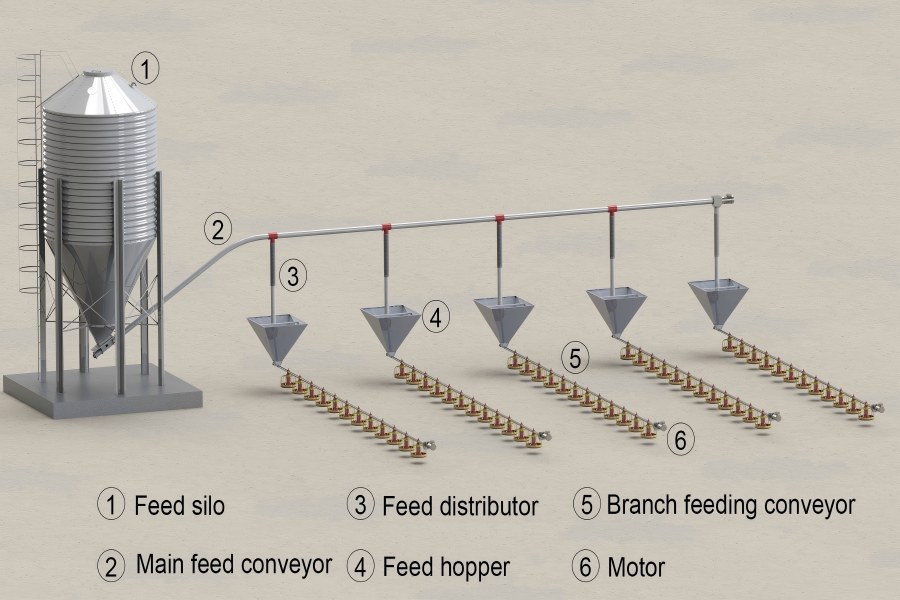
Assess storage against a buyer-selected interruption scenario and the time needed to replenish supplies. For feed, compare projected consumption during that interval with the usable quantity that can be stored and accessed. Protect stored feed from contamination and check how it would reach birds if the conveying equipment stopped. LIVI’s floor-rearing reference lists a feed silo as an optional component; its suitability and size require project-specific review.
Prepare Your Floor-Rearing Project for Technical Review
Send LIVI your Zimbabwe site or house dimensions, broiler target, power and water conditions, and automation priorities to discuss a suitable review scope.
For water, compare the usable reserve with expected demand during the same interruption and consider how the source will replenish it. Include treatment, pumping and pressure regulation in the review. A tank’s nominal volume alone does not establish how much water can reach the birds under operating conditions.
Review distribution before approving equipment quantities
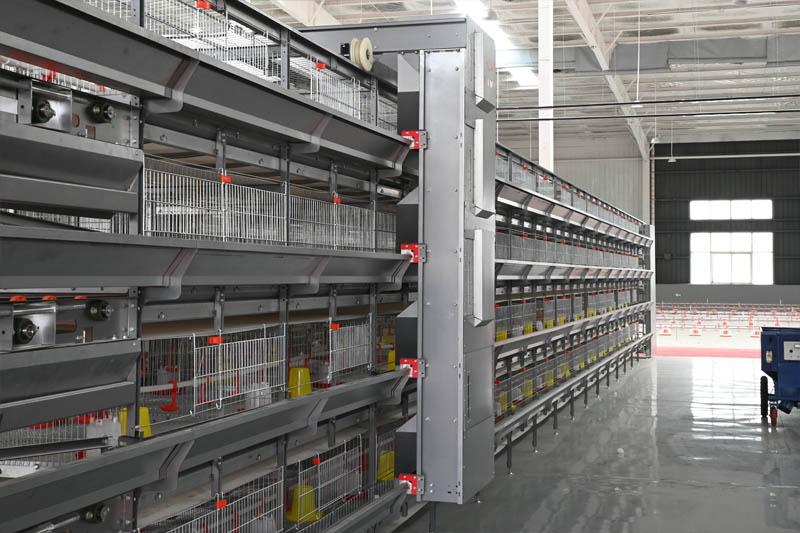
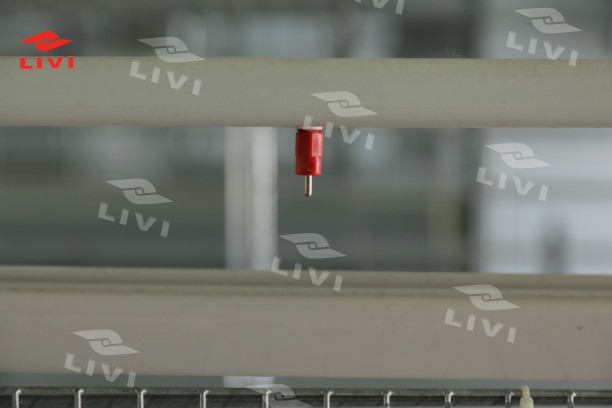
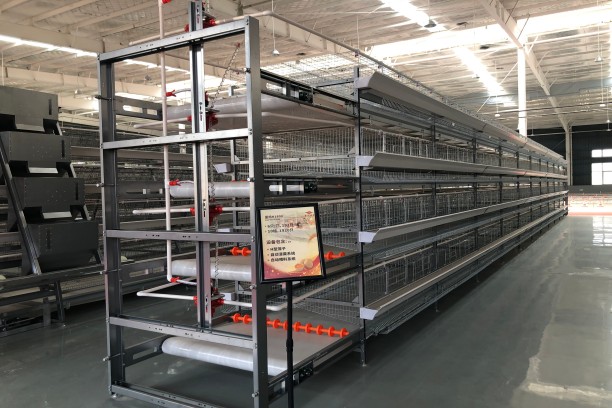
LIVI’s floor-rearing reference identifies feeding lines with pans and drinking lines with Nipple Drinkers and cups. It describes manual or automated operation. A supplied equipment quotation also lists water-pressure adjustment valves and drinkers with drip cups; these are proposed components, not evidence of an installation at the planned site.
Ask LIVI Machinery to review the house layout, expected flock distribution and access at each growth stage. Assess the proposed broiler feeding system against the feeding program and its ability to deliver feed throughout the house. For drinking lines, the designer should check source pressure, distribution and flow at the drinkers under expected operating conditions.
Request written confirmation of the proposed configuration, its application conditions and how it could be expanded. Discuss maintenance access, the operator’s response to an interruption and any practical limits identified during review. The documented farm-scale recommendation remains a product reference, not approval for the target.
Agree on delivery and operating checks
Before ordering, compare the equipment quote with separate feed and water supply quotes. Agree on the production and delivery scope, unloading, installation labour, spare parts and acceptance checks. LIVI states that it can provide packing lists, installation materials, equipment instructions and after-sales technical support; confirm the terms for the proposed order.
If the project proceeds to installation, plan to test feed distribution and water delivery under the agreed site conditions before placing birds. Train operators on routine checks and document who handles supply interruptions and equipment faults. These are proposed implementation steps, not completed project results.
The next decision for broiler feeding and drinking system design for 30000 chickens in Zimbabwe is therefore to reconcile supplier commitments, water tests and interruption costs with a technical review. If those checks do not support the target, revisit the first-phase size before committing to the final layout.
FAQ
1. How do you evaluate the price and capacity of a feeding line for 30000 birds?
Compare the proposed line capacity and delivered scope with the feeding program, house layout and expected demand throughout the growing cycle. Request written equipment, transport, installation and operating-cost assumptions. Assess a feeding-line quotation alongside separate feed-supply commitments; it does not establish that feed will be available when needed.
2. How do you calculate the number of Nipple Drinkers required for 30000 chickens?
Start with the equipment supplier’s applicable bird-access and flow guidance, then assess flock distribution, house layout, water pressure and needs at each growth stage. Have the designer verify access and flow under the site’s operating conditions before approving quantities. A bird target alone cannot establish a suitable count.
3. What should a Zimbabwe broiler investor ask a feed supplier before committing to a flock size?
Ask for written availability by feed stage, delivery frequency, lead times, delivered prices, payment terms and contingency arrangements. Compare those commitments with projected consumption and usable storage. Also confirm unloading responsibilities and what happens if a scheduled product or delivery is unavailable.
4. When should a smaller first phase be considered?
Consider a buyer-defined smaller phase when feed commitments, water yield or quality, storage, backup arrangements or funding do not support the full target. Assess the smaller flock with the same evidence and cost scenarios. Before ordering, review whether the initial layout can expand and what changes expansion would require.
5. Can LIVI’s floor-rearing equipment be used for 30000 broilers?
A 30000-bird application requires a specific technical review because LIVI’s floor-rearing product reference recommends farms below 10000 birds. Ask LIVI to assess the house, bird access, feed and water distribution, utilities and operating conditions. The recommendation is not a demonstrated maximum or an approval for this proposed scale.
TAGs: broiler feeding and drinking system design, 30000 broilers in Zimbabwe, broiler feed supply planning, broiler farm water availability, broiler floor-rearing equipment, broiler feed and water storage