


Quick Answer
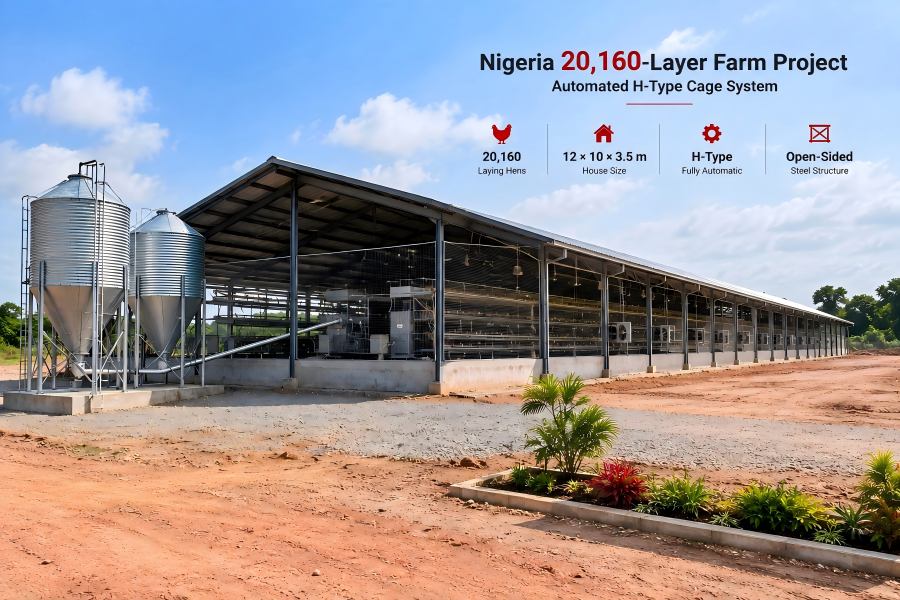
Starting a battery cage poultry farm cost depends on farm size, cage system type, automation level and local construction conditions. A commercial poultry farm investment usually includes chicken cages, feeding systems, drinking systems, egg collection equipment, manure management, poultry house construction and environmental control systems. A professional farm design helps optimize investment and improve long-term profitability.
Starting a Battery Cage Poultry Farm: Understanding the Real Costs
Why Cost Planning Is the First Step Before Building a Poultry Farm
Starting a poultry farm is a major investment.
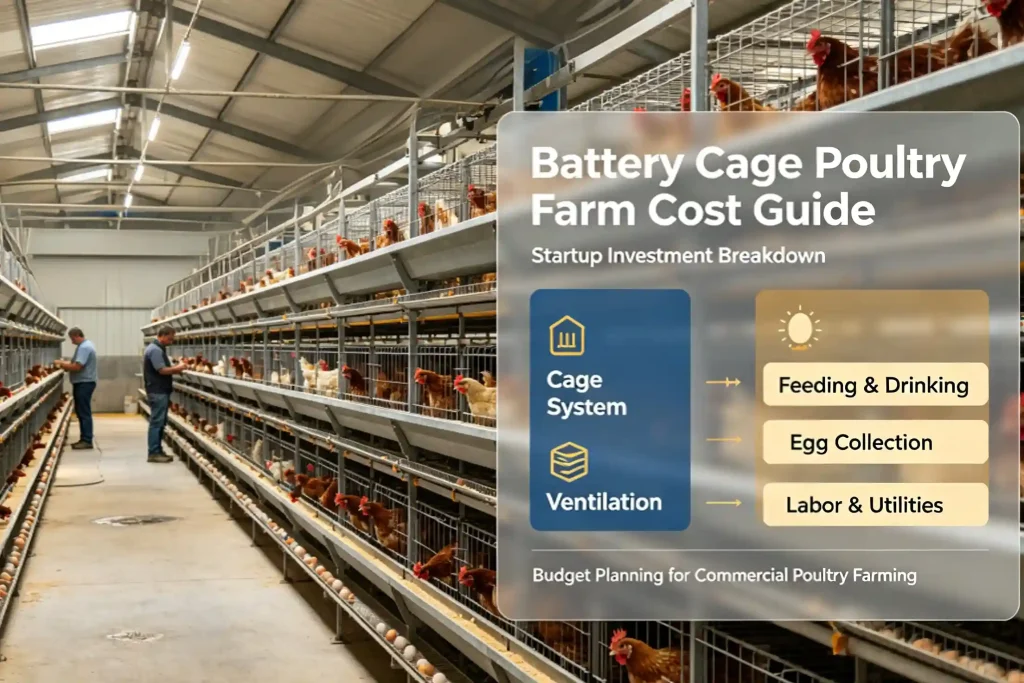
Many farmers focus only on the price of chicken cages, but the actual cost of a battery cage poultry farm includes much more:
- poultry house construction
- cage system
- automatic feeding system
- drinking system
- egg collection system
- manure management
- ventilation
- installation
- operation preparation
A successful commercial poultry farm is not only about buying equipment.
It requires a complete production plan that balances:
- initial investment
- operating cost
- production efficiency
- future expansion
What Determines the Cost of a Battery Cage Poultry Farm?
The total investment depends on several key factors.
1. Farm Capacity and Number of Birds
The biggest cost factor is the number of chickens.
A small farm with:
- 1,000 layers
will have very different requirements compared with:
- 10,000 layers
- 50,000 layers
- 100,000 layers
As farm size increases:
- equipment quantity increases
- automation requirements increase
- farm design becomes more important
2. Type of Battery Cage System
Different cage systems have different investment levels.
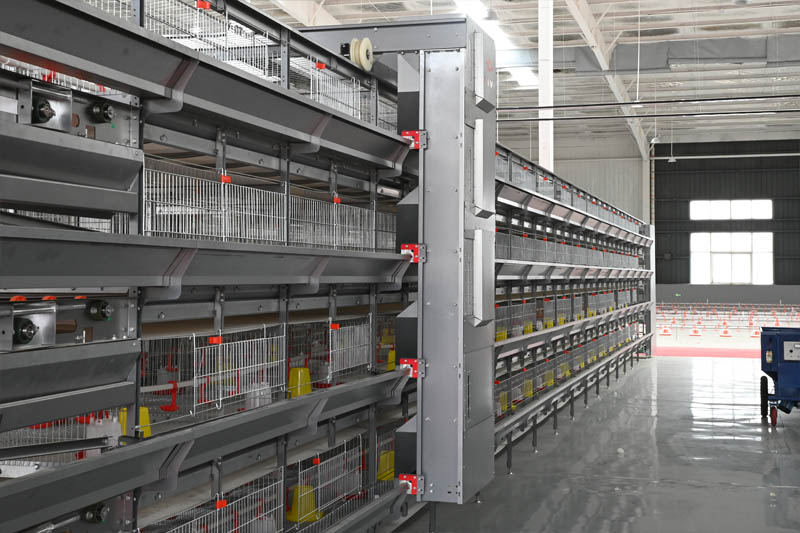
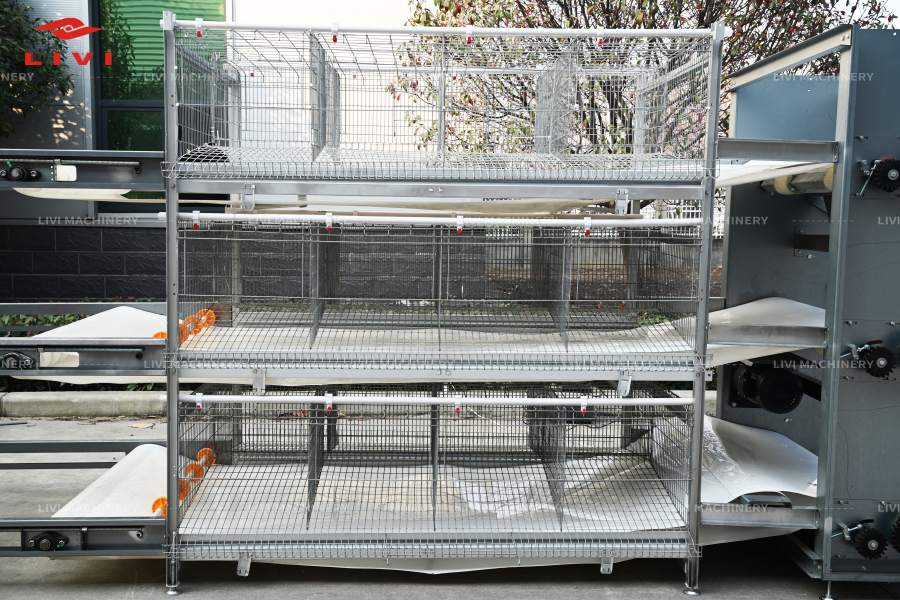
A Type Layer Cage System
Suitable for:
- small and medium farms
- farms requiring simple management
Advantages:
- lower initial investment
- simple operation
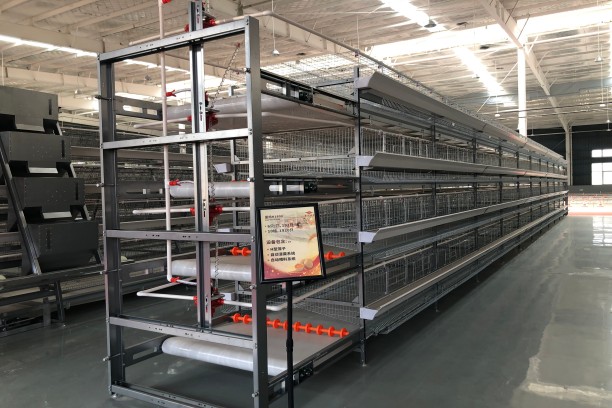
H Type Layer Cage System
Suitable for:
- commercial egg production farms
- medium and large-scale projects
Advantages:
- higher space utilization
- better automation integration
- easier management
For commercial farms focusing on efficiency, H Type Layer Cage System is commonly selected.
3. Automation Level
Automation has a significant impact on investment.
A basic poultry farm may only require:
- cages
- manual feeding
- manual egg collection
A modern commercial farm may include:
- automatic feeding system
- automatic egg collection system
- manure removal system
- environmental control system
Although automation increases initial investment, it can reduce:
- labor cost
- management difficulty
- production inconsistency
4. Poultry House Construction Cost
The poultry house is another important investment component.
Factors include:
- local construction materials
- climate conditions
- ventilation requirements
- farm layout
A professional design should consider:
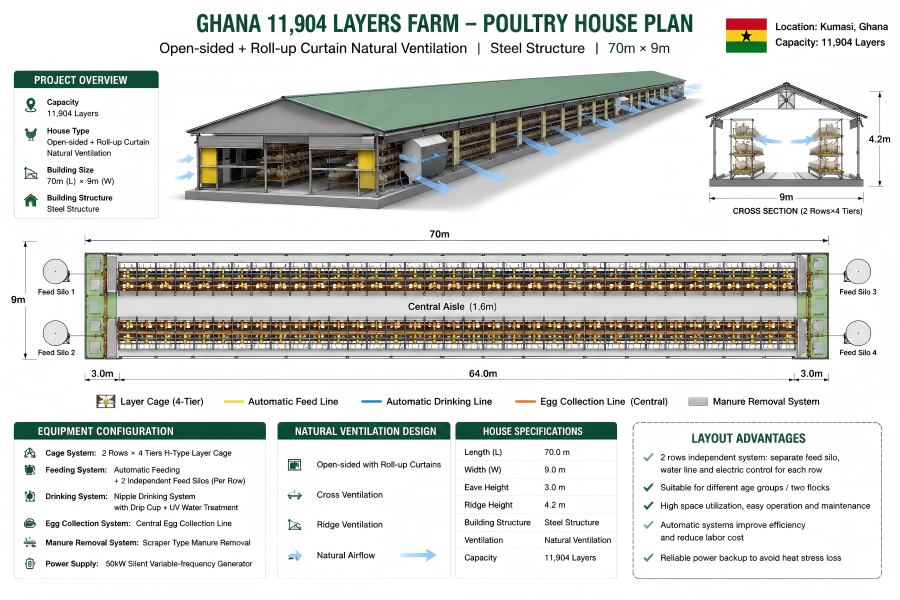
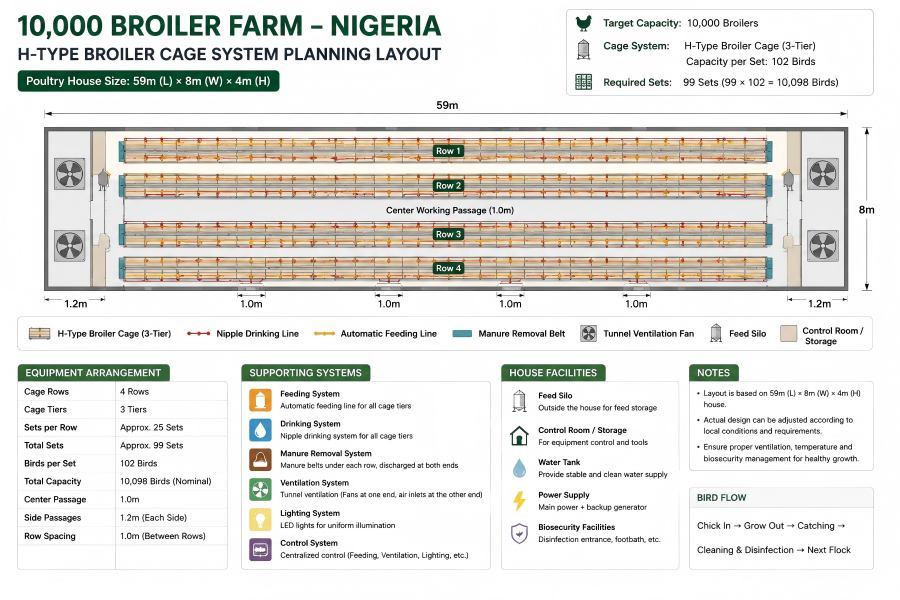
- cage arrangement
- working passages
- airflow direction
- equipment installation space
Planning Your Battery Cage Poultry Farm?
Tell us your bird capacity and farm requirements.
Livi can provide a customized equipment configuration and farm layout.
Battery Cage Poultry Farm Cost Breakdown
A complete commercial poultry farm investment usually includes:
| Cost Category | Main Items |
|---|---|
| Housing | Chicken house construction |
| Cage System | Layer cages and accessories |
| Feeding | Automatic feeding system |
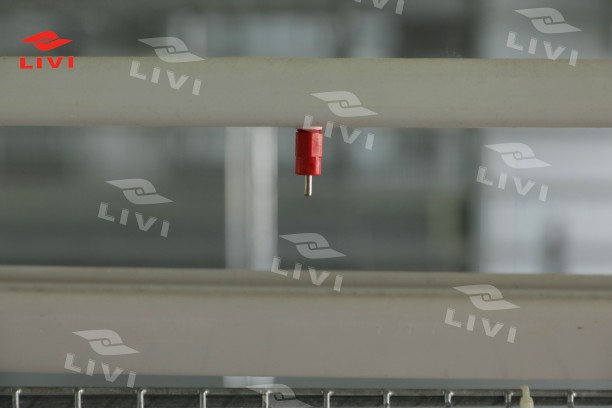
| Drinking | Nipple drinking system |
| Egg Collection | Automatic egg collection equipment |
| Manure Management | Manure removal system |
| Environment | Fans, cooling and ventilation |
| Installation | Equipment installation and commissioning |
Estimated Investment Structure for Different Farm Sizes
Small Commercial Farm
Example:
1,000-5,000 layers
Usually requires:
- basic cage system
- manual or semi-automatic operation
- simple farm management
Suitable for:
- new farmers
- local egg production businesses
Medium Farm
Example:
10,000-50,000 layers
Usually requires:
- H Type Layer Cage System
- automatic feeding
- improved manure management
- ventilation system
Suitable for:
- commercial egg producers
Large Commercial Farm
Example:
100,000+ layers
Requires:
- complete automation
- professional farm planning
- environmental control system
Suitable for:
- industrial egg production
How to Reduce Battery Cage Poultry Farm Investment Risk?
1. Choose Equipment Based on Production Goals
The cheapest equipment is not always the most economical choice.
Farmers should evaluate:
- expected production capacity
- labor availability
- future expansion
2. Avoid Over-Designing the Farm
A common mistake is purchasing unnecessary equipment before understanding actual requirements.
A professional solution should match:
- bird quantity
- local conditions
- investment budget
3. Consider Long-Term Operating Costs
Initial investment is only part of the farm cost.
Farm profitability is affected by:
- labor efficiency
- feed management
- egg breakage rate
- equipment maintenance
Efficient equipment can improve long-term returns.
Why H Type Layer Cage System Is Popular for Commercial Poultry Farms?
For investors planning commercial egg production, H Type Layer Cage System provides:
Better Space Utilization
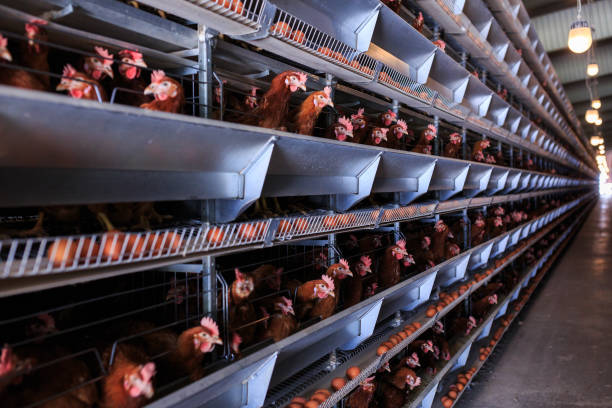
Vertical multi-tier design allows more birds within limited poultry house space.
Higher Automation Compatibility
It can integrate with:
- automatic feeding
- egg collection
- manure removal
Easier Farm Management
The structured layout helps farmers manage:
- bird observation
- feeding
- egg collection
- cleaning
Complete Battery Cage Poultry Farm Setup Process
Step 1: Define Farm Capacity
Determine:
- number of birds
- production target
- expansion plan
Step 2: Select Suitable Cage System
Choose:
- A Type cage
- H Type cage
based on:
- farm size
- automation requirements
Step 3: Design Poultry House Layout
Consider:
- cage arrangement
- ventilation
- equipment connection
Step 4: Install Poultry Equipment
Complete installation of:
- cages
- feeding system
- drinking system
- manure system
Common Questions Before Starting a Battery Cage Poultry Farm
How much does it cost to start a battery cage poultry farm?
The cost depends on:
- farm capacity
- cage type
- automation level
- local construction costs
A complete commercial farm requires investment in both equipment and infrastructure.
What equipment is needed for a battery cage poultry farm?
A complete farm usually includes:
- layer cage system
- feeding system
- drinking system
- egg collection system
- manure removal system
- ventilation system
Is H Type cage better than A Type cage?
H Type cages are usually preferred for larger commercial farms because they provide higher space utilization and better automation integration.
How can I calculate poultry farm equipment costs?
The calculation should consider:
- Number of birds
- Cage capacity
- Automation level
- House size
- Supporting equipment
What is the most profitable poultry farming system?
Profitability depends on:
- market demand
- feed cost
- management efficiency
- equipment selection
A well-designed commercial poultry system can improve production efficiency.
Livi Poultry Farm Solution
Starting a battery cage poultry farm requires more than selecting cages.
Livi provides complete poultry equipment solutions including:
- H Type Layer Cage System
- A Type Layer Cage System
- Automatic Feeding System
- Automatic Egg Collection System
- Manure Removal System
- Poultry Farm Design
Based on farm capacity and local conditions, Livi helps farmers develop practical poultry production solutions.
Build a More Efficient Commercial Egg Farm
From cage selection to complete automation systems, Livi supports poultry producers with integrated farming solutions.